
Reviewed · AUSCHWITZ & KRAKOW DAY TRIPS
From Warsaw: Auschwitz-Birkenau Tour by Car
A long day, then history that hits hard. This Warsaw-to-Auschwitz experience is interesting because you skip train stress and go by car/van with an English-speaking driver, while a guided visit brings Auschwitz I and Auschwitz II-Birkenau to life in clear chronological context. I particularly like the small group size (limited to 8), which keeps things calm for a place that demands focus.
My other big win is how the day is organized around museum entry timing: you get picked up early in Warsaw, guided touring is built in (about 3.5 hours total), and you’re returned to your accommodation the same evening. One possible drawback to plan for: the pickup time can shift based on entrance slots, so you might be up very early, and you may not get a proper meal until lunch.
In This Review
- Key things you should notice before you go
- Door-to-door car transfer: Warsaw to Oswiecim with less hassle
- The early morning reality: timing, comfort, and what to plan for
- Auschwitz I: the structured 2-hour start that sets the stage
- Auschwitz II-Birkenau: 1 hour for the scale, the Gate of Death, and the setting
- The lunch break: where you reset before the heaviest part of the day
- How the English guiding and audio support work
- Value check: is the car day trip worth $265?
- What to bring (and what not to bring) for Auschwitz entry
- Who this tour fits best (and who should rethink it)
- Should you book this Warsaw to Auschwitz by car tour?
- FAQ
- How long is the tour from Warsaw to Auschwitz-Birkenau?
- What’s included in the price?
- Is the tour in English?
- How many people are in the group?
- Where does the tour start and end?
- What stops are included during the visit?
- How long is the guided tour inside the camps?
- What documents do I need to bring?
- Are bags allowed?
- Will I know the pickup time in advance?
Key things you should notice before you go
- Door-to-door pickup and drop-off in Warsaw means you don’t have to wrestle with stations, schedules, or transfers.
- Small group limit (up to 8) helps the guide keep the pace steady and the sound manageable.
- English live guiding across Auschwitz I and Birkenau keeps the story readable, with an audio guide available too.
- A timed 3.5-hour museum tour gives you structure without turning it into a rushed checklist.
- A practical lunch break at a local restaurant breaks up the day before you face Birkenau.
- Driver stops can make the drive easier (coffee/bathroom breaks show up often in real experiences).
Door-to-door car transfer: Warsaw to Oswiecim with less hassle
The biggest thing I like about this tour is the logistics. You meet your driver in Warsaw and head out by standard car or minivan, with the driver speaking English. For Auschwitz, where timing matters, that direct transfer saves you from the usual public-transport chaos.
And yes, the drive is long. But it’s long in a way that you can manage. Many people get a smoother ride than they expect, especially when the driver builds in a bathroom/coffee stop halfway. That sounds small until you’re staring at a full day schedule and trying to keep your energy for what comes next.
You’ll also want to know how the day feels: early morning pickup, a steady drive, then an emotionally intense guided visit. That combination can be tiring, so the car piece isn’t just about comfort. It’s about arriving with your head clear enough to take in what you’re seeing.
Other days south to Auschwitz and Krakow
- Warsaw: Tour to Krakow and Auschwitz by Train with Pickup★ 4.6 · 603 reviews
- From Warsaw: Guided Tour to Auschwitz-Birkenau and Krakow★ 4.4 · 363 reviews
- From Warsaw Auschwitz and Krakow one day tour by train with pick up and drop off★ 4.5 · 267 reviews
The early morning reality: timing, comfort, and what to plan for
This is an early-start day. Pickup happens early in the morning, and the exact call time can be different from what you expect because it depends on the museum entrance schedule. In real-world timing, that can mean call times feel extremely early, especially if you’re used to starting your sightseeing later.
If you get an early pickup, plan for limited food options before lunch. Even if there is a stop on the way, it may be more of a quick coffee and bathroom moment than a proper meal. My practical advice: if you’re the type who needs breakfast to function, bring a small snack that you can actually eat quickly before you leave.
The good news is that the driver typically handles the day like a pro—meeting you at your accommodation, waiting with your name on a card, then laying out how things work once you’re at the camps. Multiple people mention drivers like Maciej, Kishan, Jack, and Anna’s guiding style as a big part of why the day feels organized instead of chaotic.
Auschwitz I: the structured 2-hour start that sets the stage
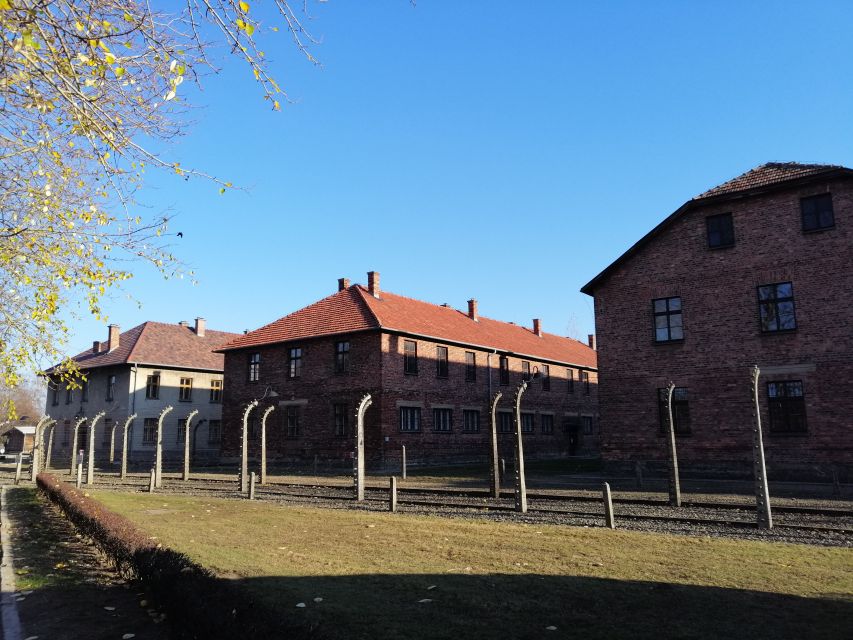
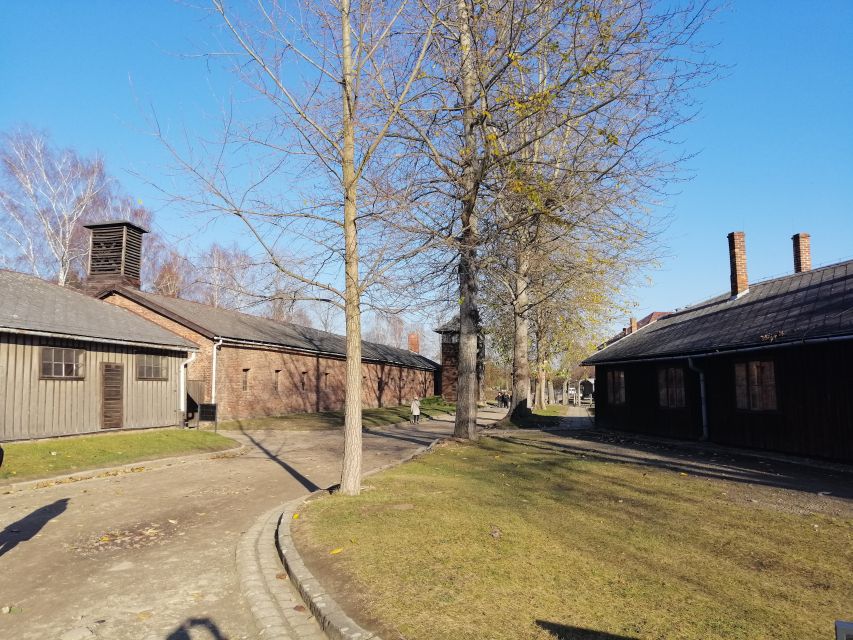
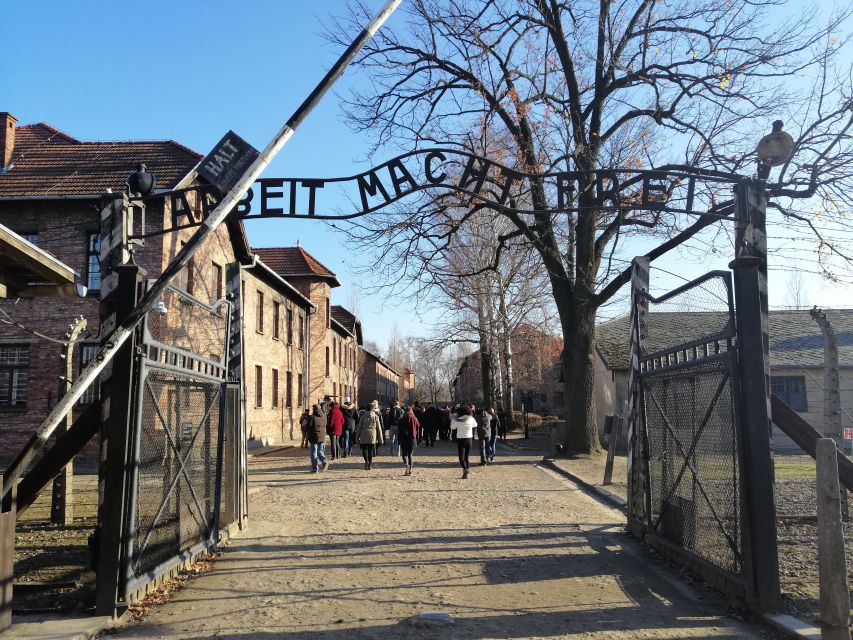
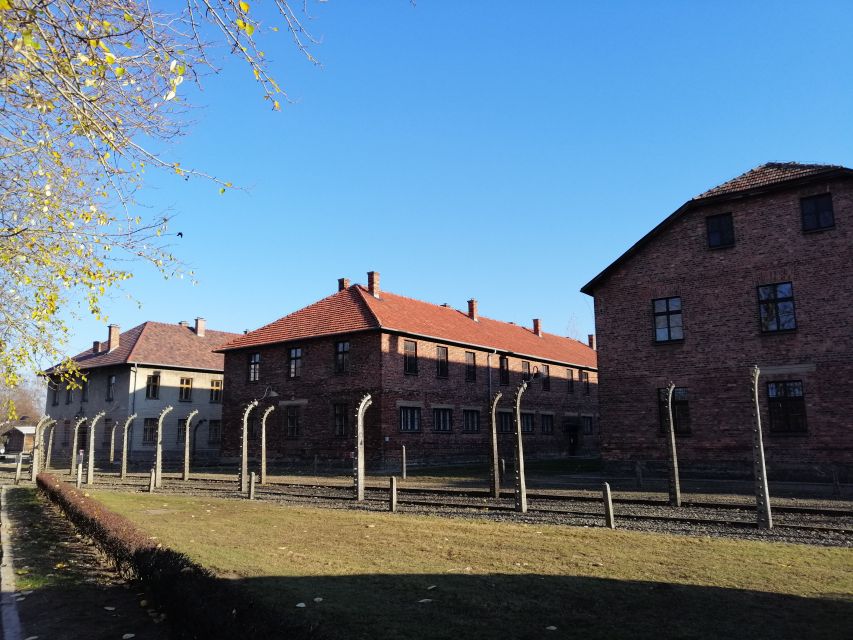
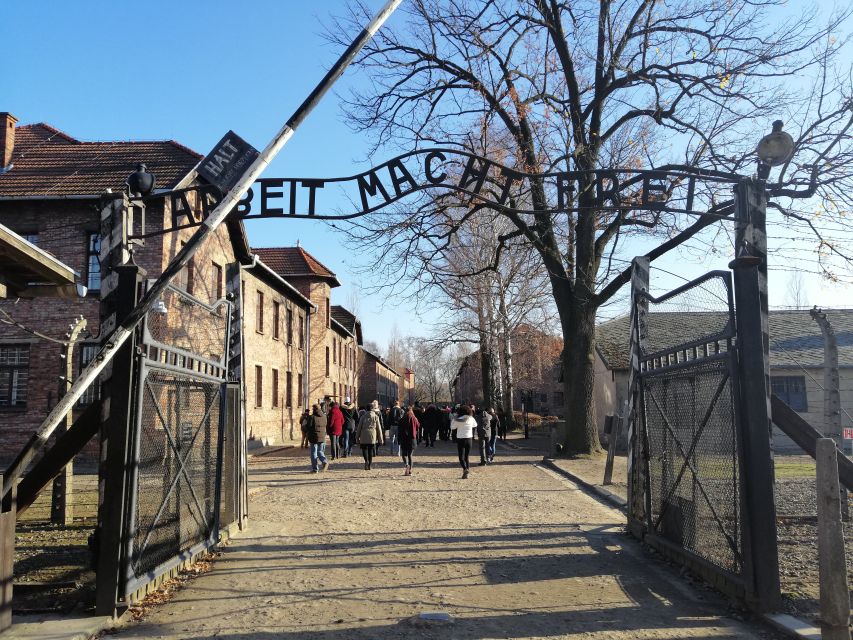
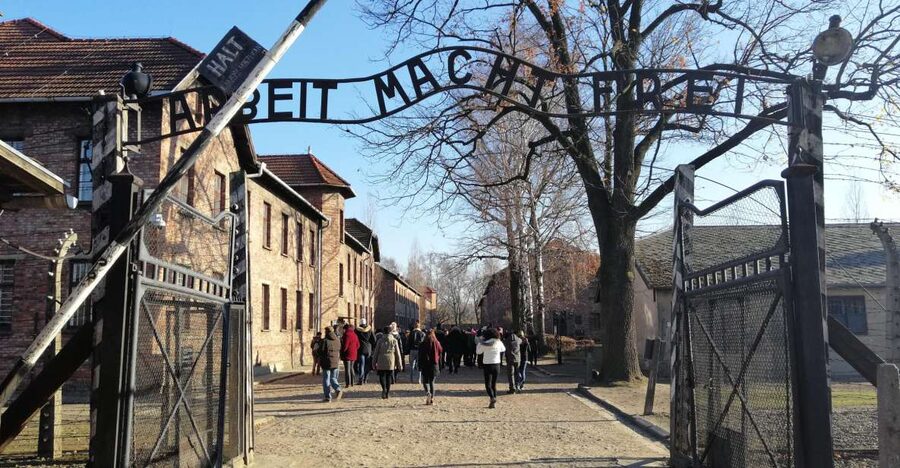
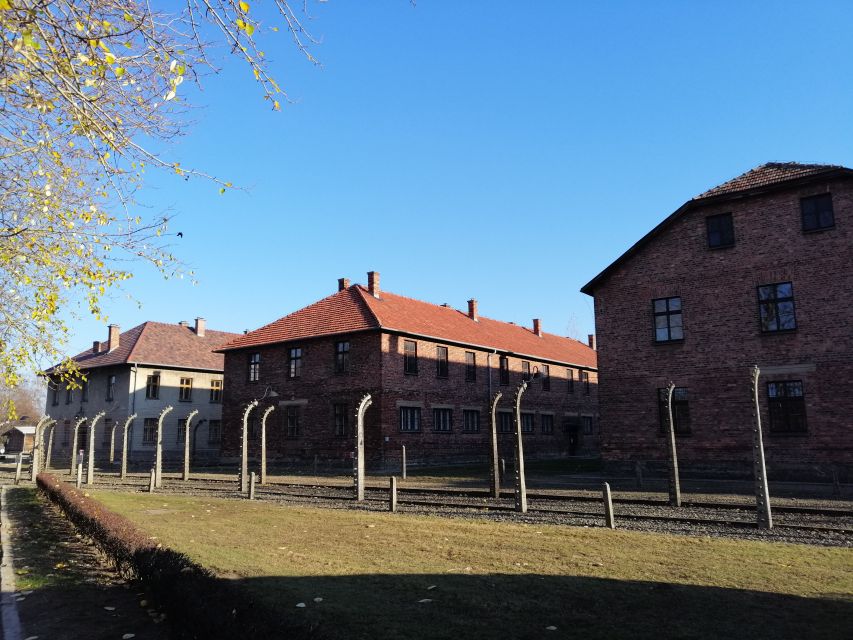
Auschwitz I is where the tour starts, and that matters. The guide begins by explaining how German Nazis established the camp on the outskirts of Oswiecim in 1940, setting the tone for everything you’ll see afterward. You’ll cover key areas inside the camp and learn how it was later turned into a museum showing evidence of genocide.
Expect the tour to move at a serious, informative pace. In about 2 hours, you’ll see places tied to the camp’s machinery of terror, including Block no. 11 (the Death Block), described in the tour as the place where people were murdered at the Wall of Death. You’ll also visit areas outside the camp connected to the killing system, including the gas chamber area, described on this tour as responsible for killing about 70,000 people between 1940 and 1943.
One of the most affecting parts of Auschwitz I is the film shown after the liberation of the camp. The museum rotates language versions, but English versions are part of the experience here. That film helps you transition from seeing objects and spaces to understanding the broader story of liberation and aftermath.
A small consideration: Auschwitz I can feel intense even when you know you’re prepared. That’s normal. If you find yourself getting overwhelmed, the guide’s structure is useful. It’s not a free-for-all. You’re following a path designed to help you stay oriented.
Auschwitz II-Birkenau: 1 hour for the scale, the Gate of Death, and the setting
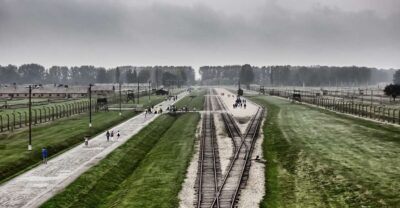
After Auschwitz I, you move over to Birkenau (Auschwitz II). The setting is different, and that difference hits you. Birkenau was established in 1941, about 3 kilometers from Oswiecim, in the former village of Brzezinka. The tour frames it as a second camp meant for larger-scale imprisonment and extermination.
This is your 1-hour guided segment at Birkenau. That’s a lot of meaning for one hour, especially since the site reflects the scale of a system that swallowed people from across Europe. The tour’s explanation here focuses on the period 1942–1945, when roughly 1.5 million people lived and died at Birkenau, with the tour stating that about 90% were Jews. You’ll also hear about other groups affected, including Poles, Gypsies (Romani), Russians, prisoners from 28 countries, and people of varied nationalities and political and religious backgrounds.
The tour also highlights something you can’t miss once you know where to look: transports entering through the Gate of Death, with the tour noting that this happened directly from 1944 onward for people arriving from across the continent.
Practical note: Birkenau is a big open site. Weather can matter, and ground can vary. Comfortable shoes are not optional on this one. And if you’re short on patience for long outdoor walks, you still should come—because the scale is part of what you’re here to understand. Just go in knowing it may feel like more than an hour.
The lunch break: where you reset before the heaviest part of the day
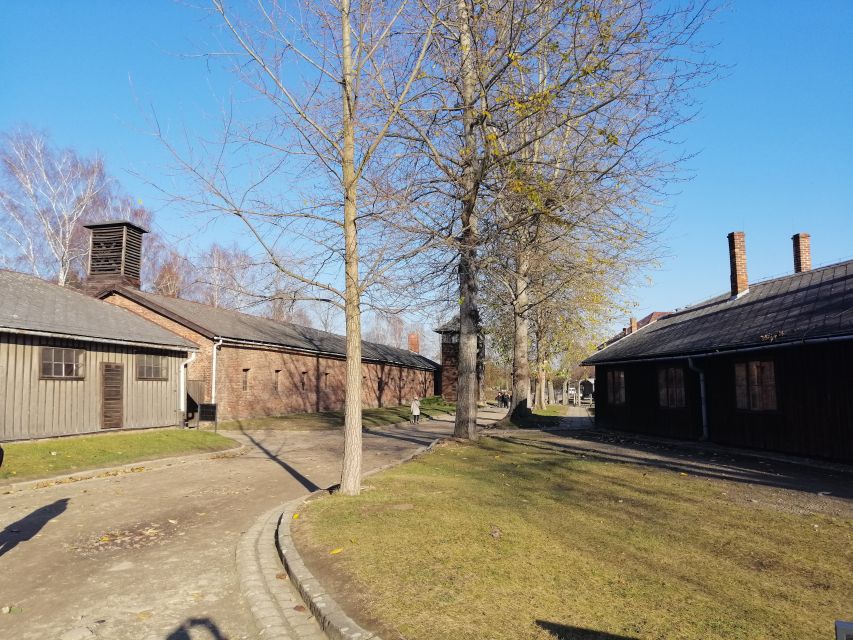
Between the two museum sections, you get a lunch break at a local restaurant. The time you’re given is about 1 hour, and it’s there for a reason: you’ll want a moment to breathe and refuel before Birkenau.
From a value standpoint, lunch is also where this tour can feel different from the cheapest options. You’re not just buying transport and tickets; you’re buying a day plan that keeps you moving and reduces decision fatigue.
What to watch: lunch may not be the highlight of your trip. Some people mention it wasn’t very interesting, and that you might feel like you could handle without it. My take: treat lunch as a functional break, not a dining experience. Choose something filling, eat, and use the rest of the hour to get your bearings back.
If you’re sensitive to strong food smells or crowds, keep that in mind. This is still a day built around a place that demands emotional focus.


How the English guiding and audio support work
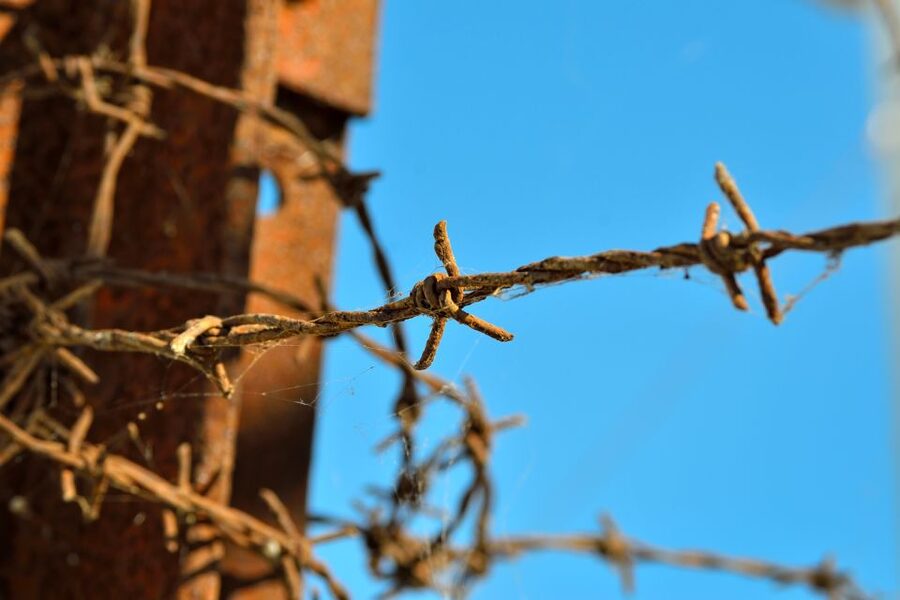
This tour is designed for English speakers. You’ll have a live English-speaking guide for the museum portion, and an English audio guide is also included. That pairing is useful. The live guide helps you connect what you’re seeing to the story in the order the tour expects. The audio can help you catch details without missing the big points.
In real experiences, some guides are easier to hear in outdoor spaces than others. If you’re near the back at Birkenau and the sound isn’t carrying well, you may miss part of what’s said. My practical suggestion: during outdoor segments, try to stay where you can follow the guide’s voice, even if it means standing a little closer than feels comfortable.
And if you appreciate context, this format tends to work well. Auschwitz isn’t just rooms and rails. It’s systems, dates, categories of victims, and the way memory is preserved afterward.
Value check: is the car day trip worth $265?
Let’s talk money plainly. At $265 per person, you’re paying for more than museum access. You’re paying for:
- Hotel pick-up and drop-off within Warsaw
- Round-trip transport by car/van with an English-speaking driver
- Entrance tickets
- Guided museum tour (Auschwitz I plus Birkenau)
- Water included
For many people, the value comes from the fact that the day runs like a system. No missed trains. No guessing meeting points. No hauling luggage (and you won’t want to anyway). You’re also insulated from some common travel friction. That matters for Auschwitz, where you want your energy and attention to stay on-site.
If you’re already comfortable booking transport on your own and you like going at your own pace, you might feel the price is steep. But if you want a clean, timed day where your only job is to show up, this car-based approach is exactly what you’re paying for.
One more value note: some people report getting extra conversation or helpful stops during the drive, and a few mention occasional add-on surprises like the option to visit Krakow after Auschwitz if timing allows. You shouldn’t count on add-ons as a guarantee, but it does suggest the day isn’t always run like an assembly line.
What to bring (and what not to bring) for Auschwitz entry
Auschwitz is strict, so pack smart.
You’ll want:
- Passport or ID card
- Comfortable shoes
And the tour has clear rules:
- No luggage or large bags are allowed.
There’s also an important identity detail. You must provide your full name and contact details when booking, and entry can be refused if the name on the booking doesn’t match the name on your ID. Since museum tickets used for entry are non-refundable, it’s worth double-checking spelling before you finalize anything.
On the day, keep your belongings minimal. The less you fumble with, the easier it is to get moving when you arrive at checkpoints and meeting points.
Who this tour fits best (and who should rethink it)
This is a good fit if you:
- want door-to-door transport from Warsaw
- prefer a small group over big crowds
- care about a guided structure in English
- would rather sit in a clean car for the long drive than coordinate trains and transfers
It may be less ideal if you:
- hate very early mornings and long full days
- expect lots of personal free time inside the camps
- need frequent food stops beyond the planned lunch break
Also, the experience is wheelchair accessible. If you need accessibility accommodations, it’s still smart to manage expectations about outdoor walking between sections, but the tour does include accessibility as part of its offer.
Should you book this Warsaw to Auschwitz by car tour?
I’d book it if you want an efficient, English-friendly day that handles the heavy logistics for you. The combination of small-group guiding, car transfer, museum entries, and a clear plan is a strong value—especially for first-timers who don’t want to stress about timing.
I wouldn’t book it if you’re going in hoping for a relaxed pace or lots of spontaneity. This day is built around a tight schedule and two major museum sites. You’ll need the structure, not fight it.
If you decide to go, my advice is simple: wear shoes you can walk in for a while, bring ID, plan for an early start, and treat the lunch break as a reset button. Then focus on the guided story as you move from Auschwitz I to Auschwitz II-Birkenau.
FAQ
How long is the tour from Warsaw to Auschwitz-Birkenau?
The total duration is up to 13 hours.
What’s included in the price?
It includes hotel pick-up and drop-off, transport with an English speaking driver, entrance tickets, guided tours in the museum, and water.
Is the tour in English?
Yes. The live tour guide is English, and an English audio guide is also included.
How many people are in the group?
The tour is a small group, limited to 8 participants.
Where does the tour start and end?
You’re picked up from your accommodation in Warsaw, and you return to Warsaw with drop-off at your accommodation in the evening.
What stops are included during the visit?
The guided museum portion covers Auschwitz I and Auschwitz II-Birkenau, with a lunch break at a local restaurant.
How long is the guided tour inside the camps?
The guided group tour of Auschwitz and Birkenau lasts about 3.5 hours in total.
What documents do I need to bring?
Bring your passport or ID card.
Are bags allowed?
No luggage or large bags are allowed.
Will I know the pickup time in advance?
Pickup is early morning, but the pick-up time can vary depending on the museum entrance time.
More Tours in Warsaw
- Warsaw: Old Town Highlights Walking Tour in English
★ 4.7 · 1,516 reviews - Warsaw: City Sightseeing Hop-On Hop-Off Bus Tour
★ 3.6 · 1,415 reviews - Warsaw: Polish Vodka Museum Tour with Tasting
★ 4.6 · 788 reviews - 3-Hour Guided Cycling Tour of Warsaw
★ 4.9 · 624 reviews
More Tour Reviews in Warsaw
- Warsaw: Chopin Concert in the Old Town
★ 4.8 · 2,287 reviews - Warsaw: Traditional Galar Cruise on The Vistula River
★ 4.6 · 1,640 reviews - Warsaw: Old Town Highlights Walking Tour in English
★ 4.7 · 1,516 reviews - Warsaw Concert: Chopin – Painted by Candlelights with Wine
★ 4.8 · 1,442 reviews
Days South to Auschwitz and Krakow
- Warsaw: Tour to Krakow and Auschwitz by Train with Pickup
★ 4.6 · 603 reviews - From Warsaw: Guided Tour to Auschwitz-Birkenau and Krakow
★ 4.4 · 363 reviews - From Warsaw Auschwitz and Krakow one day tour by train with pick up and drop off
★ 4.5 · 267 reviews - Auschwitz Small Group Tour from Warsaw with Lunch
★ 4.5 · 115 reviews
Fresh on the site: newer Warsaw reviews

Auschwitz & Krakow Day Trips: the other contenders.
 ★ 4.6Tour to Krakow and Auschwitz by Train with PickupFrom $174603 reviews
 ★ 4.4From Warsaw: Guided Tour to Auschwitz-Birkenau and KrakowFrom $181363 reviews
 ★ 4.5From Warsaw Auschwitz and Krakow one day tour by train with pick up and drop offFrom $182267 reviews
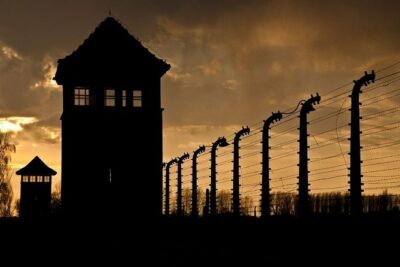 ★ 4.5Auschwitz Small Group Tour from Warsaw with LunchFrom $360115 reviews
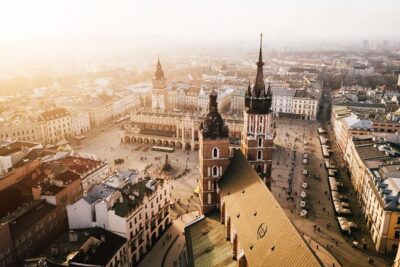 ★ 4.5Krakow and Auschwitz Small Group Tour from Warsaw with LunchFrom $417111 reviews
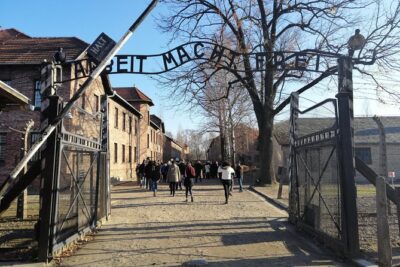 ★ 5.0One Day Tour to Auschwitz-Birkenau from Warsaw by CarFrom $22481 reviews
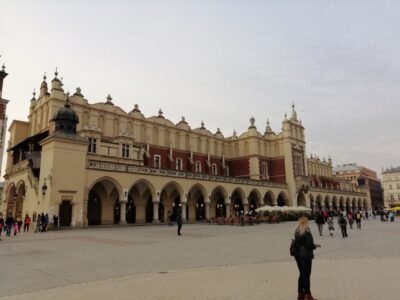 ★ 4.7Auschwitz-Birkenau and Krakow Tour by CarFrom $26770 reviews
 ★ 4.7From Warsaw: Auschwitz-Birkenau Guided Tour with Fast TrainFrom $18150 reviews
Browse the lists this tour appears in