
Reviewed · JEWISH WARSAW, GHETTO & POLIN
Warsaw: POLIN Museum of the History of Polish Jews Ticket
A 1,000-year story lives inside one museum. The POLIN Museum of the History of Polish Jews turns that story into a hands-on, self-guided walk through interactive installations, artifacts, and paintings. You’re not just reading wall labels; you’re prompted to listen, watch, and make connections as the timeline moves forward.
What I like most is the audio guide experience. It’s designed to help you follow along at your own pace, and some visitors even note it can match the narrative to where you are. Second, I love how the museum builds a full picture of daily Jewish life in Poland over centuries, not only the darkest chapters.
One thing to consider: this is a long, heavy visit. Plan extra time, because the material spans early centuries through the 20th, and if you arrive tired you may rush the later sections (the part that hits especially hard).
In This Review
- Key things to know before you go
- Entering POLIN: What the building asks of you
- Your 1-day ticket and the smart timing plan
- How the audio guide changes the experience
- The gallery flow: from early communities to modern life
- Why the earlier sections matter (even if you don’t expect to love them)
- The reconstructed synagogue moment
- The Holocaust section: intense, but placed in context
- Interactive installations and artifacts: where the museum does the heavy lifting
- Lunch inside POLIN: keep the day from falling apart
- Practical logistics that affect your visit
- Value for money: is the ticket worth it?
- Should you book the POLIN Museum ticket?
- FAQ
- How long does the POLIN Museum visit take?
- What does the ticket include?
- Is a guided tour included?
- What language is the audio guide available in?
- Is there a place to eat inside the museum?
- What restrictions should I know before entering?
Key things to know before you go
- Eight galleries across 1,000 years: You’ll move through a long timeline with audio and interactive elements.
- Audio guide that tracks your progress: It can help you stay oriented without constant button pushing.
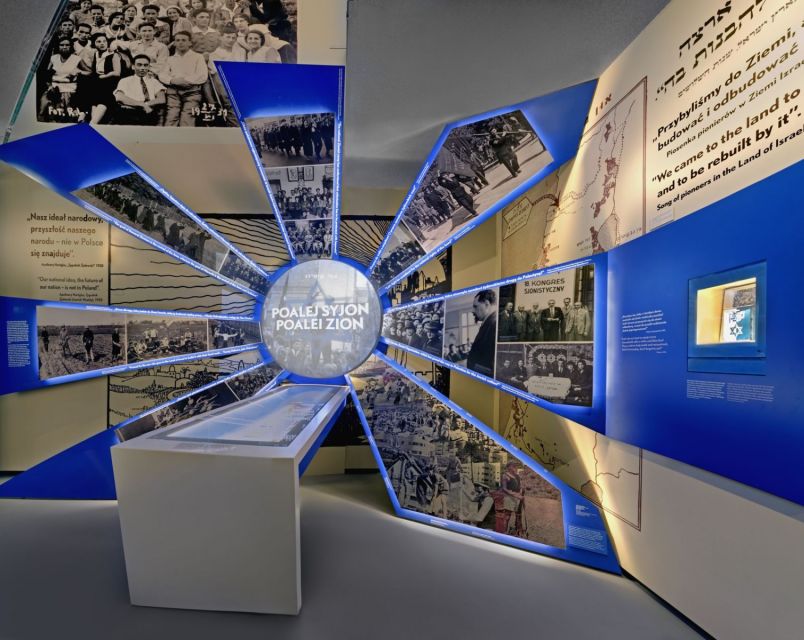
- Personal stories meet big events: The museum connects everyday life to shifting politics, religion, and society.
- The Holocaust is one major section: Plan for emotional intensity, but the museum frames it in the context of what came before.
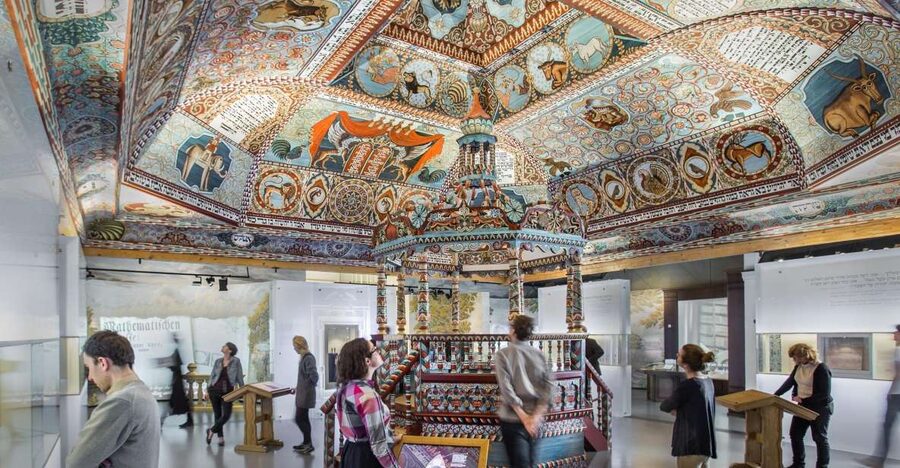
- A reconstructed synagogue ceiling: A standout visual moment shows the care put into recreating historic spaces.
- Take breaks when you need them: There are seating areas and a museum restaurant mid-way, so you don’t have to power through.
Entering POLIN: What the building asks of you
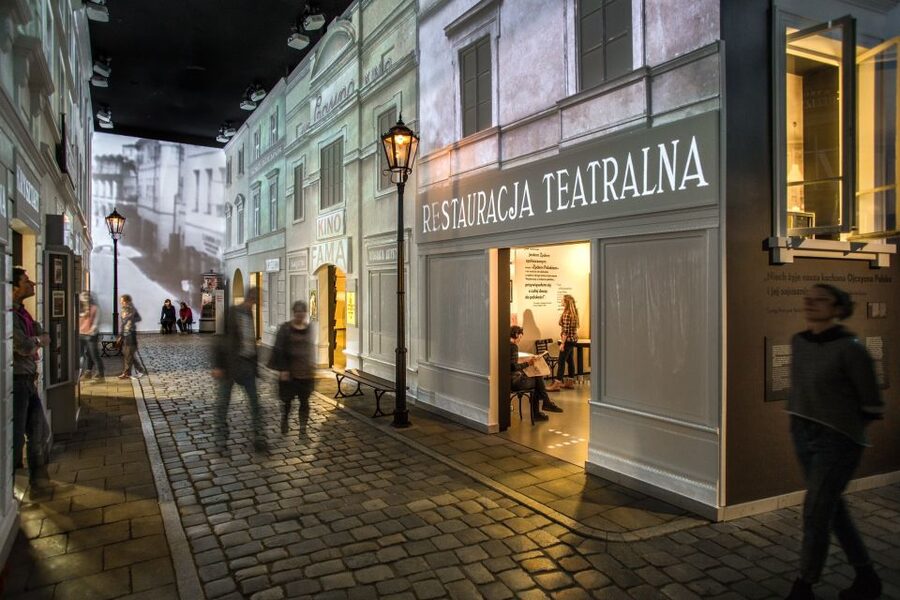
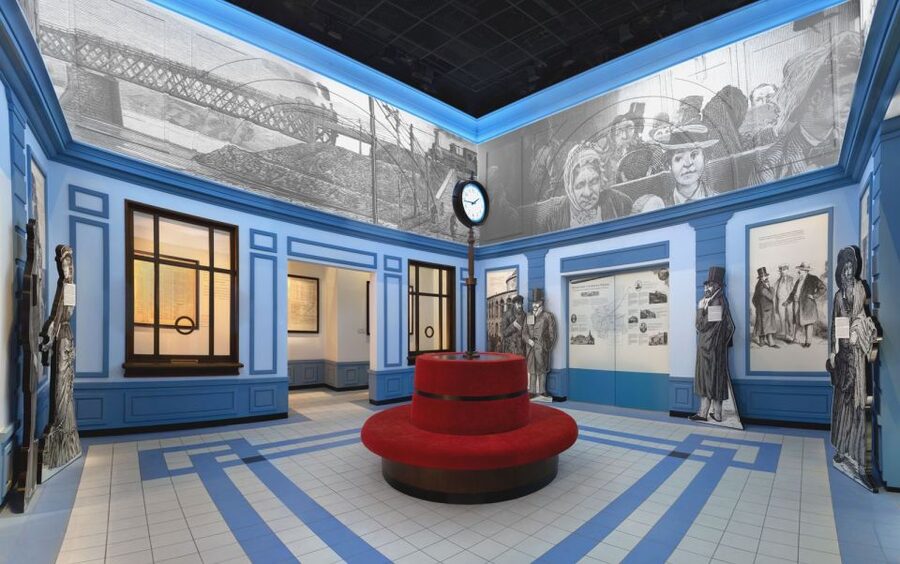
POLIN (in the heart of Warsaw) is one of those museums where the layout does some of the storytelling for you. The core exhibition is organized into eight galleries, and the design encourages you to slow down and engage with the exhibits as you go. You’re given access to the permanent exhibition, plus a temporary exhibition if one is running.
It’s not a quick stop. The museum is set up for a longer visit where the “timeline” is the experience. The good news is that it’s structured. You always know you’re moving through history in order, and the audio guide helps you connect visuals to the period you’re in.
Also: you must go through electronic scanning before entering the core exhibition. That’s normal museum security, but it matters for timing—don’t plan to arrive right at the last moment.
Further into Jewish Warsaw, the Ghetto and POLIN
- Warsaw: POLIN Museum of the History of Polish Jews Ticket★ 4.7 · 1,142 reviews
- Private Tour: Warsaw’s Jewish Heritage by Retro Fiat★ 5.0 · 208 reviews
- Warsaw: Ghetto, Jewish Cemetery & POLIN Museum Private Tour★ 4.8 · 132 reviews
Your 1-day ticket and the smart timing plan
The ticket is valid for one day, and you can enter when it suits you within operating hours. Just remember: admission closes 2 hours before the museum closing time, so don’t treat this like a “drop in anytime” kind of place.
A useful planning baseline:
- The estimated time for the core exhibition is about 2 hours
- Many visitors end up closer to 3 to 4 hours
- Some people need 5 to 7 hours if they read a lot and try more interactive stops
If you want to see the museum without rushing, I’d plan a half-day block in your Warsaw schedule. That also gives you room for lunch and breaks, which keeps the experience from turning into an information sprint.
One more practical note: the museum is closed on Tuesdays. Easy to miss if you’re building a tight itinerary.
How the audio guide changes the experience
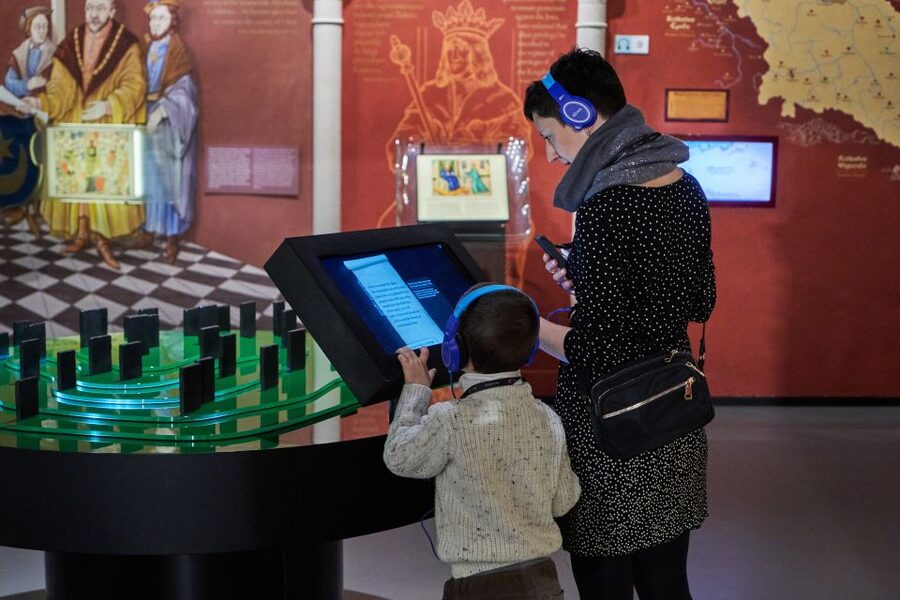
This ticket includes an audio guide (languages listed are Polish and English). In practice, the audio guide is one of the biggest reasons POLIN works so well for self-guided visitors.
Here’s the key benefit: the exhibits are varied—artifacts, paintings, interactive installations, and lots of text. With an audio guide, you can keep moving while still getting context. Several visitors highlight that the system is helpful and that the narrative can line up with your location in the museum, so you’re not stuck constantly figuring out where to start listening again.
Still, I’d set your expectations correctly. The exhibits include wall text, and at times groups and surrounding activity can make it harder to focus on both reading and listening at once. If you’re the kind of visitor who loves reading every label, you may occasionally prefer audio first, then return to a couple favorite sections on the way back.
The gallery flow: from early communities to modern life
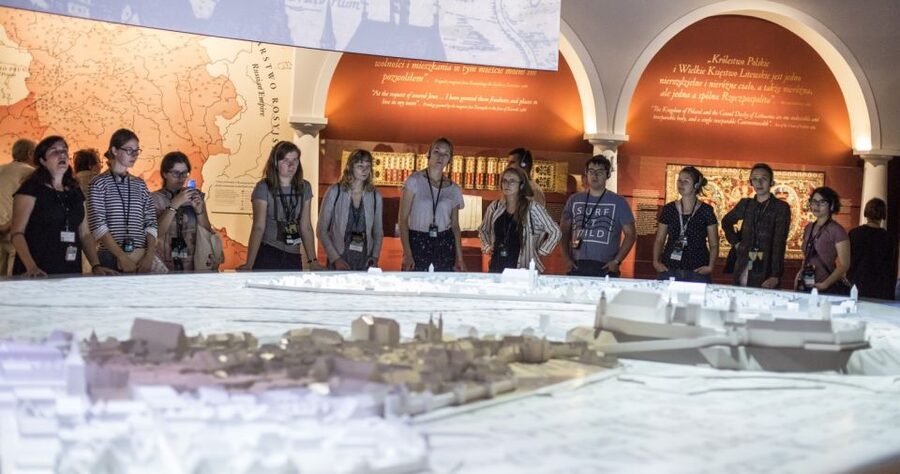
The core exhibition covers roughly 1,000 years of Jewish history in Poland, starting with the arrival and early settlement of communities and continuing right up to more recent times. With eight galleries, you’ll see how Jewish life wasn’t one fixed story—it changed with politics, religion, and social structure.
What I find especially valuable is the museum’s choice to include more than one kind of history:
- The community story (how communities formed and functioned)
- The cultural story (art, beliefs, everyday life)
- The political/social story (how Jewish life intersected with broader Polish society)
- The tragedy story (what the Holocaust did and how it shattered diversity)
Why the earlier sections matter (even if you don’t expect to love them)
A number of people enjoy the “deep time” approach, but one clear caution showed up: the earlier history—especially pre-18th century—can feel like a lot if you’re mainly interested in the 19th and 20th centuries. That doesn’t mean it’s wrong. It means the museum asks you to understand the full arc: you can’t fully grasp what was destroyed without seeing what existed first.
If you know you’re short on energy, use this approach:
- Listen to the audio and take a few key interactive moments early on
- Don’t feel guilty skipping some reading if you need to save your attention for later galleries
A few more Warsaw outings worth a look before you book



The reconstructed synagogue moment
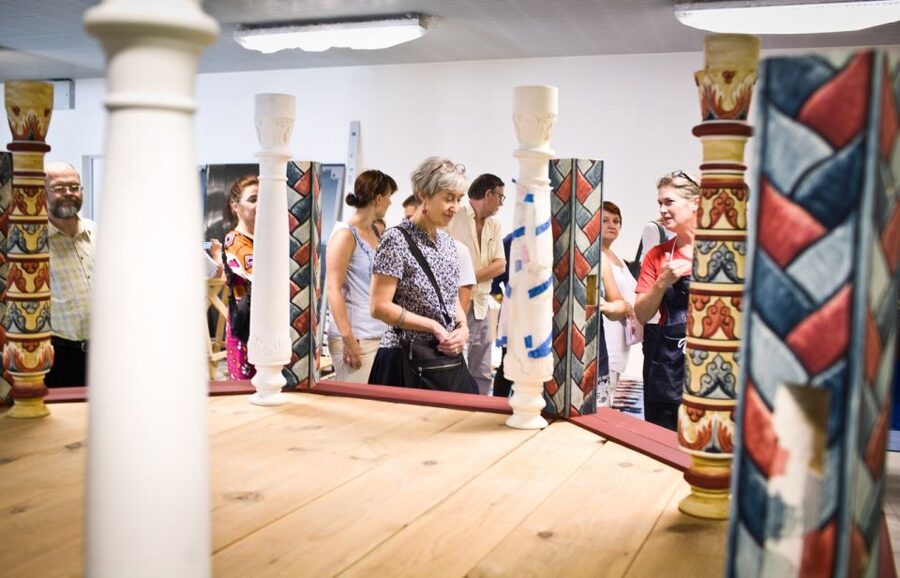
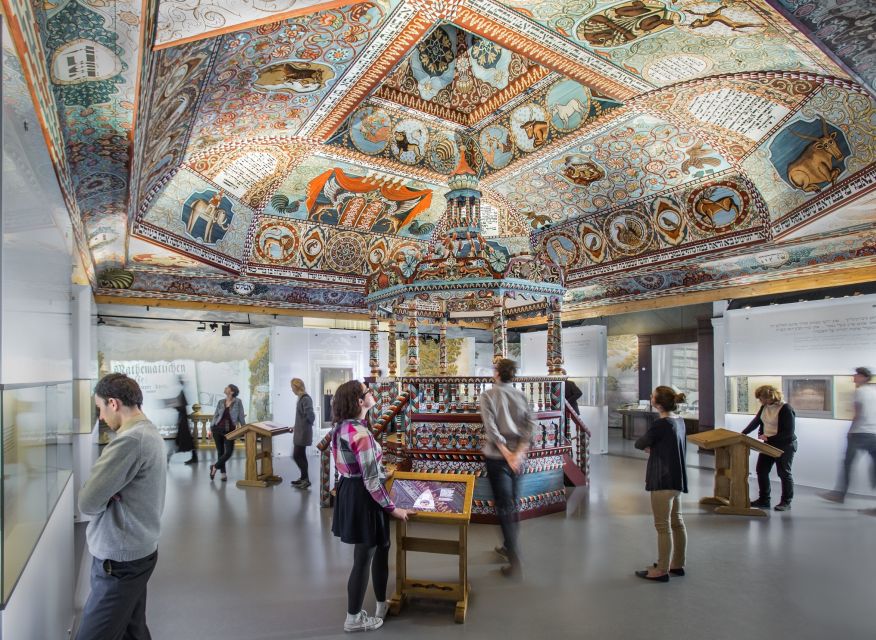
One specific highlight mentioned repeatedly is a reconstructed synagogue ceiling. It’s the kind of visual that gives you instant perspective: this isn’t abstract history. It’s the atmosphere of a place, the feel of architecture and devotion, presented in a way that’s easy to register even as you move through the broader timeline.
The Holocaust section: intense, but placed in context
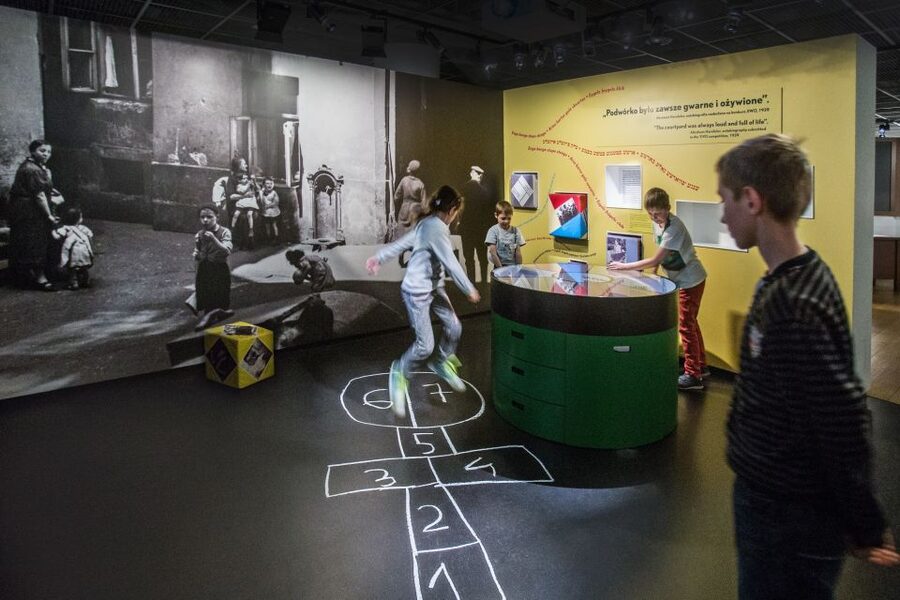
The Holocaust is handled as one of the eight major sections. It’s described in a way that connects it to the larger story of Jewish life in Poland—how the Holocaust impacted political, social, and religious diversity rather than treating the catastrophe as an isolated event.
That framing is a big deal. It helps you understand that the museum isn’t trying to reduce centuries of life into one outcome. At the same time, the subject matter is still devastating, and you should treat the visit as emotionally serious.
If you’re visiting right after other major sites in Poland (for instance, Auschwitz-Birkenau), POLIN can help you add background context. People describe it as a meaningful complement, because it situates the tragedy inside the longer history of Polish Jews.
There’s also an optional component tied to this period: a special exhibition related to ghetto fighters. If you want a bit more focus here, plan time for it. If you’re emotionally spent, it can be a good place to choose your level of intensity.
Interactive installations and artifacts: where the museum does the heavy lifting
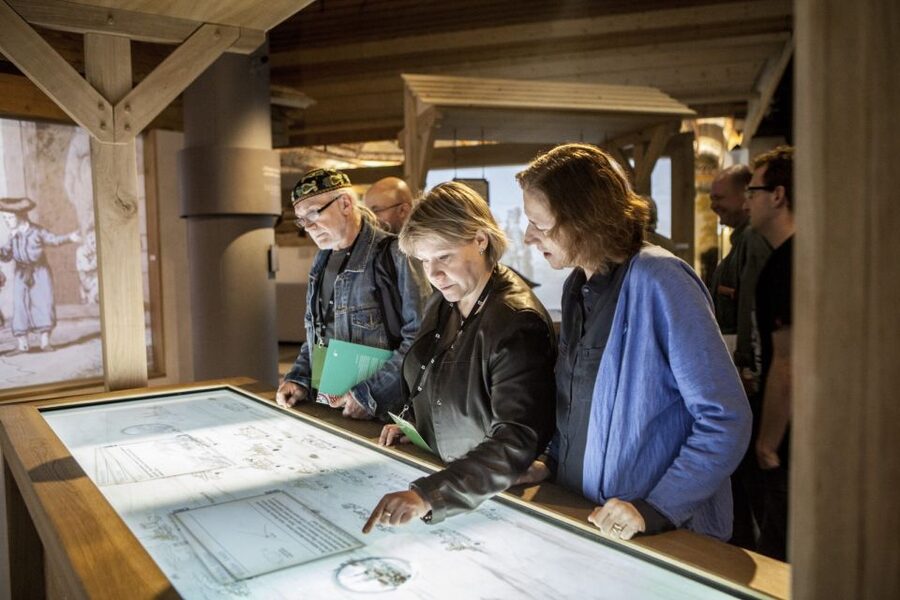
POLIN’s interactive design isn’t just for fun. It helps you process difficult history in a more active way. The museum blends:
- Artifacts and paintings (tangible details)
- Visual and audio materials (context you can follow in real time)
- Interactive stops where you make sense of the narrative as you go
This is also why people often say they could keep going longer than expected. The museum creates lots of small “attention hooks” so your brain stays engaged instead of drifting through long text walls.
One practical upside: seating and rest points exist throughout. Some visitors note they rarely felt “museum fatigue,” and that’s usually because the museum doesn’t demand nonstop standing.
Lunch inside POLIN: keep the day from falling apart
You’re allowed to leave the museum for lunch and return as long as it’s within the same day. That freedom matters because the exhibition can take several hours, and food is part of staying steady.
The on-site restaurant is cafeteria-style. One review praises it for being good quality with generous portions. I’d treat lunch as a reset, not a chore—take it mid-visit if you can, so the later galleries hit with fresh attention instead of worn-out numbness.
Practical logistics that affect your visit
A few rules and reality checks make a big difference:
- Oversize luggage isn’t allowed. If you’re traveling with bags larger than what you can comfortably manage, plan storage ahead of time.
- Expect a security scanning step before you enter the core exhibition area.
- The museum closes Tuesday, and admission stops 2 hours before closing.
- If you’re bringing family, children 7 or younger enter free. Kids 12 or younger must be supervised by an adult at all times.
- The museum is wheelchair accessible, so you can plan without worrying about total exclusion from the experience.
One more timing tip from real-world use: if your ticket voucher is on a phone, have a backup plan (like an offline screenshot). One visitor couldn’t access data in Warsaw and had to buy a new ticket at the museum. That’s avoidable with a simple backup.
Value for money: is the ticket worth it?
At about $12 per person, POLIN is strong value for the amount of time and mental effort it gives you. This isn’t a tiny exhibit you “check off.” It’s a full cultural history experience with an included audio guide and access to both permanent and (when available) temporary programming.
You’ll feel the value most if you do two things:
- Give it enough time (at least 2.5–3 hours if you want to do it justice)
- Use the audio guide rather than treating it like optional extras
If you only have 60 minutes, you’ll likely miss what makes the museum work. But if you can spare half a day, the ticket price starts to look like a bargain.
Should you book the POLIN Museum ticket?
Book it if you want more than a Holocaust-focused stop. POLIN gives you the larger context: how Jewish life in Poland developed over centuries, how it changed, and how catastrophe tore through an already complex society. The combination of audio guidance, interactive exhibits, and major visual moments like the reconstructed synagogue ceiling makes it one of Warsaw’s best history choices.
Don’t book it if you’re looking for a quick museum sprint or you hate emotionally heavy material with lots of context. This museum asks for attention. The payoff is a clearer, more human understanding of what was lost—and what remained in the story afterward.
If your schedule is tight, I’d still prioritize this one. Just plan your timing like it’s the main event, not a side quest.
FAQ
How long does the POLIN Museum visit take?
The estimated time needed for the core exhibition is about 2 hours. Many visitors plan 2.5 to 3 hours, and some spend 4 to 6+ hours depending on how much they read and explore.
What does the ticket include?
The ticket includes access to the permanent exhibition, access to a temporary exhibition if available, and an audio guide.
Is a guided tour included?
No. A guided tour is not included with this ticket.
What language is the audio guide available in?
The audio guide is available in Polish and English.
Is there a place to eat inside the museum?
Yes. There is a restaurant on site with cafeteria-style service. You can also leave the museum for lunch and return the same day.
What restrictions should I know before entering?
Oversize luggage isn’t allowed. Also, you must undergo electronic scanning before entering the core exhibition. The museum is closed on Tuesdays, and admission stops 2 hours before closing time.
More Tickets in Warsaw
- Warsaw: Chopin Concert Ticket With Glass of Champagne
★ 4.7 · 59 reviews - World of Illusion Museum Skip-the-Line Ticket
★ 4.0 · 55 reviews - Warsaw: Cold War Museum Entry Ticket
★ 4.6 · 55 reviews - Best of Warsaw Full-Day Private Tour with Transport & Ticket
★ 4.5 · 12 reviews
More Tour Reviews in Warsaw
- Warsaw: Chopin Concert in the Old Town
★ 4.8 · 2,287 reviews - Warsaw: Traditional Galar Cruise on The Vistula River
★ 4.6 · 1,640 reviews - Warsaw: Old Town Highlights Walking Tour in English
★ 4.7 · 1,516 reviews - Warsaw Concert: Chopin – Painted by Candlelights with Wine
★ 4.8 · 1,442 reviews
More of Jewish Warsaw and POLIN
- Warsaw: Jewish History Guided Walking Tour in English
★ 4.7 · 324 reviews - Private Tour: Warsaw’s Jewish Heritage by Retro Fiat
★ 5.0 · 208 reviews - Warsaw: Ghetto, Jewish Cemetery & POLIN Museum Private Tour
★ 4.8 · 132 reviews - Warsaw: Jewish Heritage & Holocaust Walking Tour
★ 4.7 · 119 reviews
Fresh on the site: newer Warsaw reviews


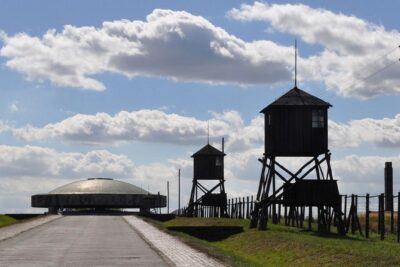
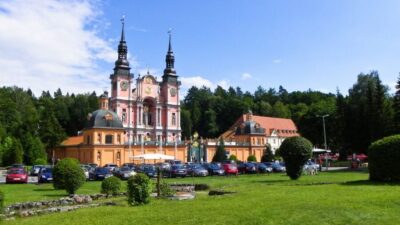

Jewish Warsaw, Ghetto & POLIN: the other contenders.
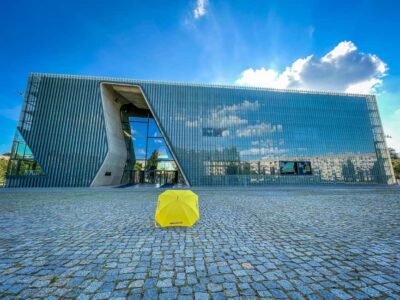 ★ 4.7Jewish History Guided Walking Tour in EnglishFrom $26324 reviews
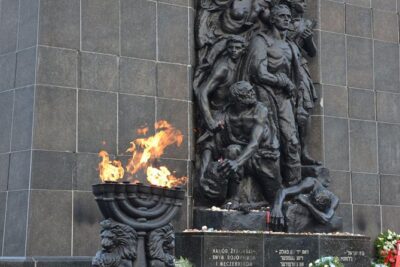 ★ 5.0Private Tour: Warsaw’s Jewish Heritage by Retro FiatFrom $108208 reviews
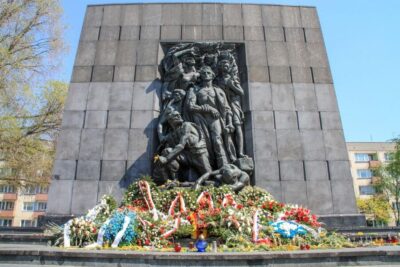 ★ 4.8Ghetto, Jewish Cemetery & POLIN Museum Private TourFrom $112132 reviews
 ★ 4.7Jewish Heritage & Holocaust Walking TourFrom $20119 reviews
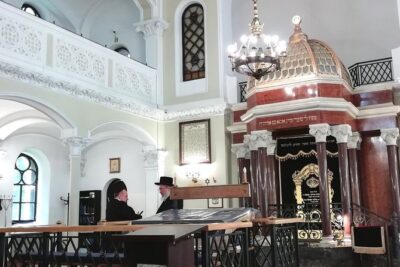 ★ 5.0Tour of the Warsaw GhettoFrom $102119 reviews
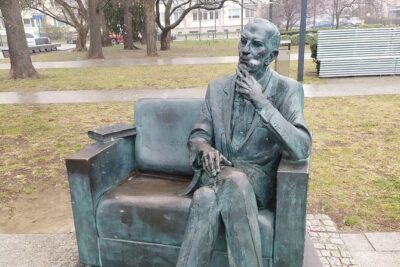 ★ 5.0Historical Walking Tour of Jewish WarsawFrom $2868 reviews
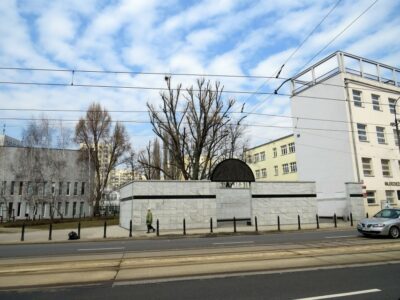 ★ 4.9Jewish Heritage 4-Hour Private TourFrom $4226 reviews
 ★ 4.92-Hour Tour of Daily Life in the Ghetto WarsawFrom $7626 reviews
Browse the lists this tour appears in