
Reviewed · WARSAW OLD TOWN & ROYAL ROUTE WALKS
Warsaw: 2-Hour Old Town Walking Tour
Warsaw’s Old Town tells its story in layers. This 2-hour walking tour is a tight, absorbing way to connect the romantic streets of the Royal Route with the hard reality of how completely the area was destroyed in WWII—and then rebuilt to match its older form. I especially like how the walk makes you look closely at the big sights (Royal Castle, Market Square) while also giving you the “how did this happen” context. One possible drawback: since it’s mostly outdoors and you’re on your feet for two hours, plan for comfortable pacing and bring sun protection if the weather’s warm.
I also like that you’re guided by a local expert who can switch between the story threads easily—royal power, wartime damage, and the people who shaped modern Warsaw. Guides such as Marzena and Mary are noted for answering questions and pointing out details that you’d miss on your own, which is exactly what makes a walking tour worth the ticket price. The consideration I’d flag is that entrances and lunch aren’t included, so if you want to eat or go inside at multiple stops, you’ll need to plan for that separately.
In This Review
- Key takeaways before you start walking
- Walking the Royal Route: from UNESCO corners to postwar survival
- Castle Square and the Royal Castle constitution moment
- St. John’s Cathedral and the war-front church story
- Market Square and the Barbican: squares, defenses, and daily life
- Canaletto’s paintings: art as a rebuilding tool
- Stories you’ll carry: Chopin, Pope John Paul II, Marie Curie, and Solidarity
- New Town stop: a quick taste of what comes after the rebuilding
- Price and value for a 2-hour Old Town walk
- Practical tips: shoes, sun, and what to bring
- Should you book this Warsaw Old Town walking tour?
- FAQ
- How long is the Warsaw Old Town walking tour?
- Where does the tour meet?
- What is the price?
- Is lunch included?
- Are entrance tickets included?
- Is the tour wheelchair accessible?
- What languages are available for the live guide?
- What should I bring?
- Can I bring pets or large luggage?
- Is tipping expected?
Key takeaways before you start walking
- Royal Route focus: you follow a classic path and learn why these streets matter.
- WWII destruction + faithful reconstruction: you don’t just see the rebuilt walls—you learn how the city came back.
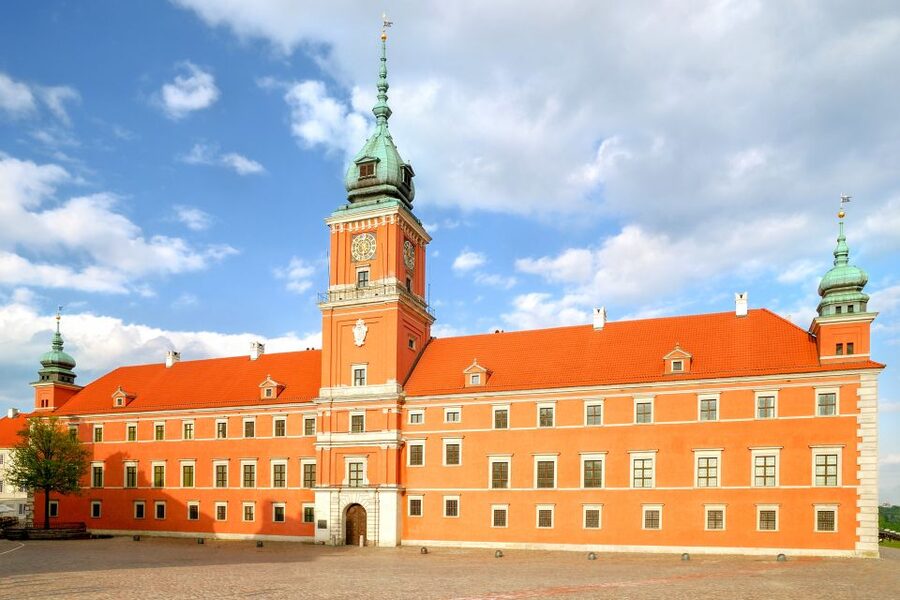
- Royal Castle stop: you’ll hear about the second oldest constitution in the world adopted there.
- A church with an unusual war story: you visit the site tied to the only church in the world that served as a war front.
- Canaletto’s wartime help: the guide explains how paintings mattered during rebuilding.
- Real names in the story: you connect Old Town to Chopin, Pope John Paul II, Marie Curie, and the Solidarity movement.
Walking the Royal Route: from UNESCO corners to postwar survival
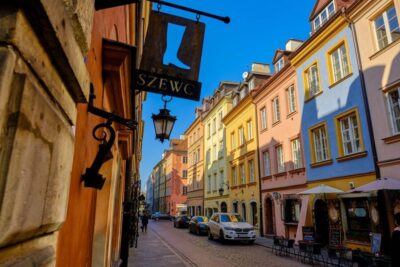
Warsaw’s Old Town can feel like a “picture district” until your guide puts it back into time. You start with the Royal Route and the classic romantic street views, but the real payoff is learning how this part of Warsaw became the youngest Old Town in the world—because it was rebuilt after WWII to reflect its pre-war appearance. That contrast is what turns sightseeing into understanding.
As you walk, you’ll hear stories that explain why the Royal Route is more than a pretty stroll. It’s a spine of royal and civic life, so when you hear about palaces, residences, and the key monuments, you start to see a pattern instead of isolated landmarks. The headset setup (for groups up to 10) also helps keep the pace smooth, so you spend your energy looking forward, not straining to hear.
The guide’s approach keeps you moving through short, meaningful segments. You’ll stop at major squares and monuments, then get the “why it matters” piece right where you’re standing. That’s the kind of storytelling that saves you from Googling later—and it makes photos make sense.
More of the Old Town and the Royal Route, on foot
- Warsaw: Chopin Concert in the Old Town★ 4.8 · 2,287 reviews
- Warsaw: Old Town Highlights Walking Tour in English★ 4.7 · 1,516 reviews
- Warsaw: Old Town Guided Walking Tour★ 4.9 · 599 reviews
Castle Square and the Royal Castle constitution moment
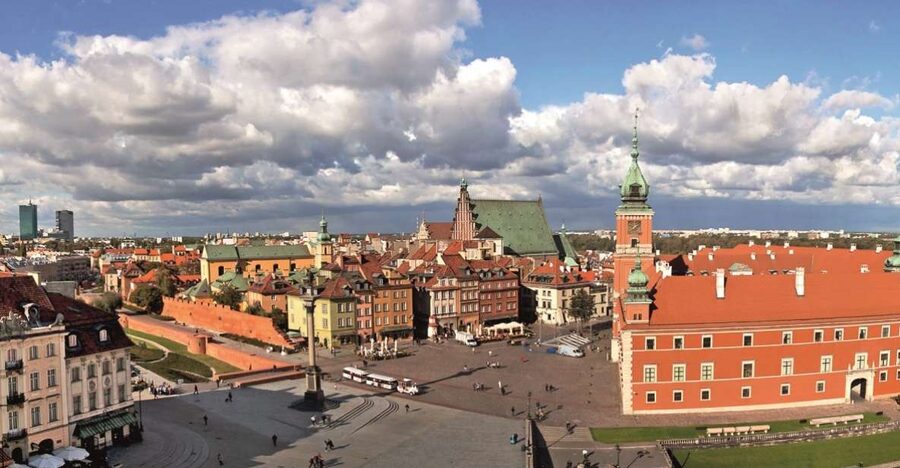
Your tour centers on the “from here, everything starts” feeling around Castle Square. This is where the walk connects the ceremonial side of Warsaw—kings, power, national identity—to the places you’ll stand at a short distance away.
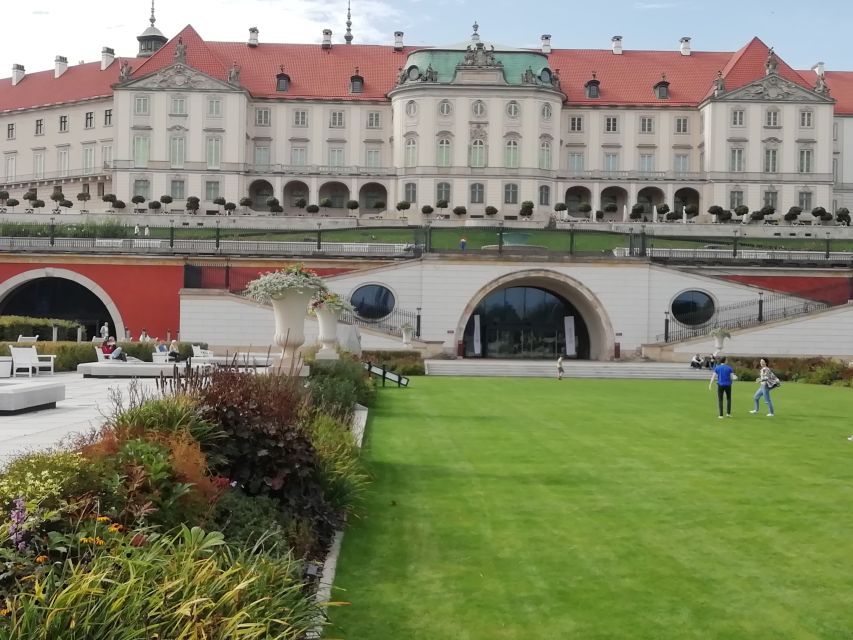
Then comes the big anchor: the Royal Castle. You’ll learn about a serious historical milestone tied to the second oldest constitution in the world, and your guide will connect that political moment to the symbolism of the castle itself. Even if you’re not a constitution nerd, the story helps you understand why this spot carries extra weight in Poland’s national memory.
One practical note: because this is a walking tour, you’ll likely spend more time listening than wandering. If you like to linger and read every plaque slowly, take a slower pace during the stops or plan a bit more time after the tour so you can re-visit the places that grab you most.
St. John’s Cathedral and the war-front church story
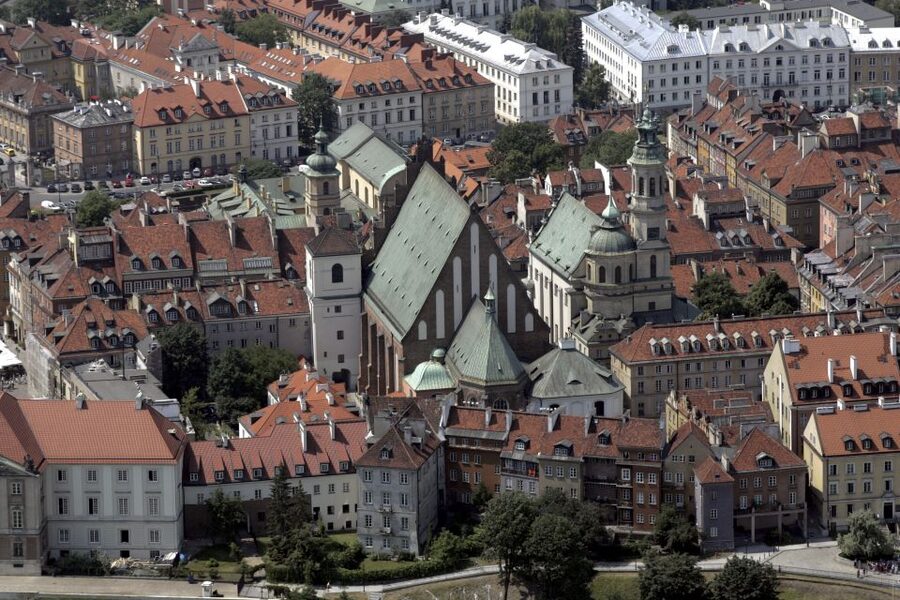
A standout stop is St. John’s Cathedral. Here’s where the tour shifts from “how it looked” to “how it suffered,” and then into “how it survived.” You’ll hear about the only church in the world that served as a war front, and that detail changes how you read the architecture around you.
This kind of stop is valuable because it avoids the shiny version of history. You don’t leave with just the postcard view—you leave with an understanding of how places were used during conflict, and why that matters for modern identity. It also gives you a clearer sense of what reconstruction had to overcome, not just rebuild.
If you prefer history that’s connected to specific sites, this is one of the best parts of the walk. The guide’s timing usually works well: you get the WWII reconstruction framing before you encounter the buildings tied to that period, so it clicks faster.
Market Square and the Barbican: squares, defenses, and daily life
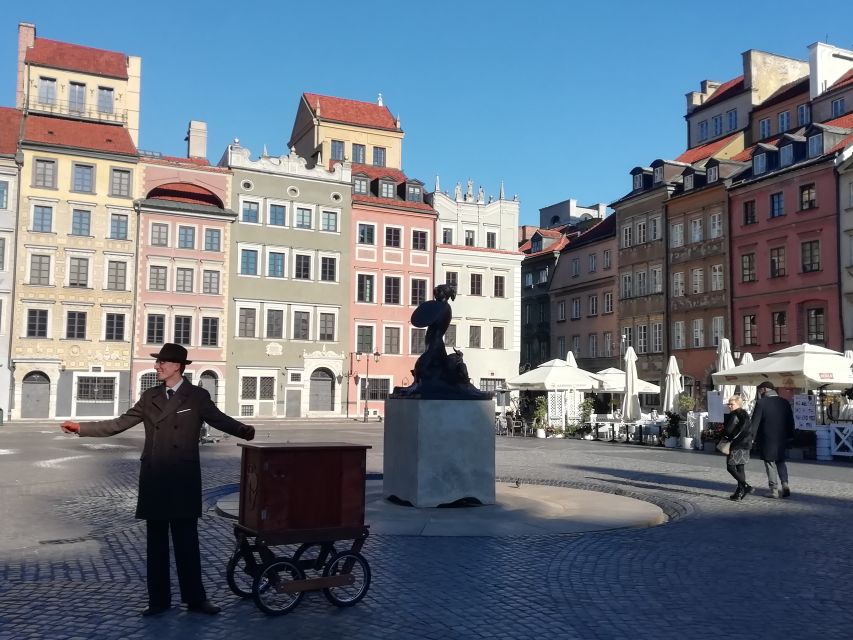
At Market Square, you get the daily-life side of Warsaw, which balances the royal-and-national stops. Your guide will connect what you see now with how the area functioned as a civic center. That matters, because it prevents Old Town from becoming only a grand political stage.
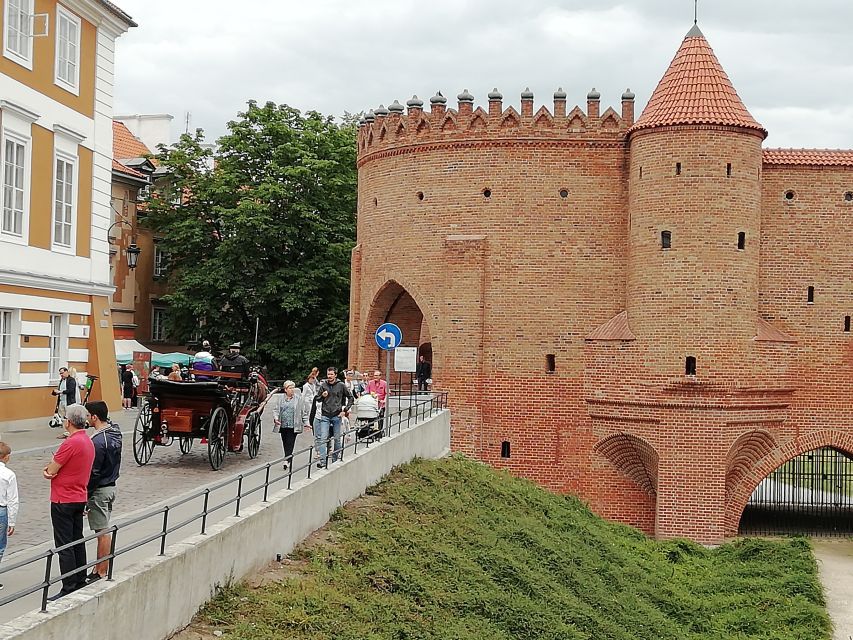
Next, the walk includes the Barbican, which helps you see how defensive architecture shaped the city’s layout. Even when you’re just looking at stone outlines and wall lines, your guide gives you the meaning behind the shape—how the city protected itself and how those defensive decisions influenced movement through the area.
This pairing—Market Square for public life, Barbican for fortification—gives you a fuller sense of how the Old Town worked. And since you’re covering multiple “types” of spaces in just two hours, the tour feels efficient rather than rushed.
Canaletto’s paintings: art as a rebuilding tool
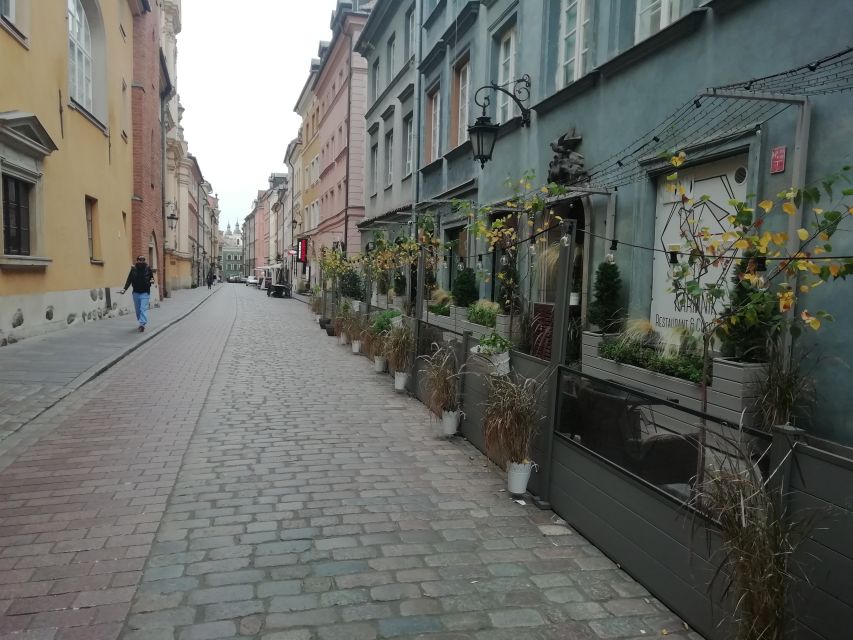
One of the most interesting concepts on this walk is the role of the Venetian painter Canaletto. Your guide explains how his paintings became invaluable during reconstruction, and that turns art history into something practical, not abstract.
Here’s why that’s such a strong lesson: WWII didn’t just destroy buildings, it erased references. When you learn that artists’ records helped shape what rebuilding could be, you start to see cultural memory as a literal tool. It’s a reminder that preserving images—whether drawings, maps, or paintings—can matter as much as saving stones.
If you’re the kind of traveler who likes explanations that go beyond “this is pretty,” you’ll appreciate this part. It gives you a reason to care about the visual choices you’re seeing today, not just the fact that the buildings were restored.
On foot through Warsaw: more guided walks


Stories you’ll carry: Chopin, Pope John Paul II, Marie Curie, and Solidarity
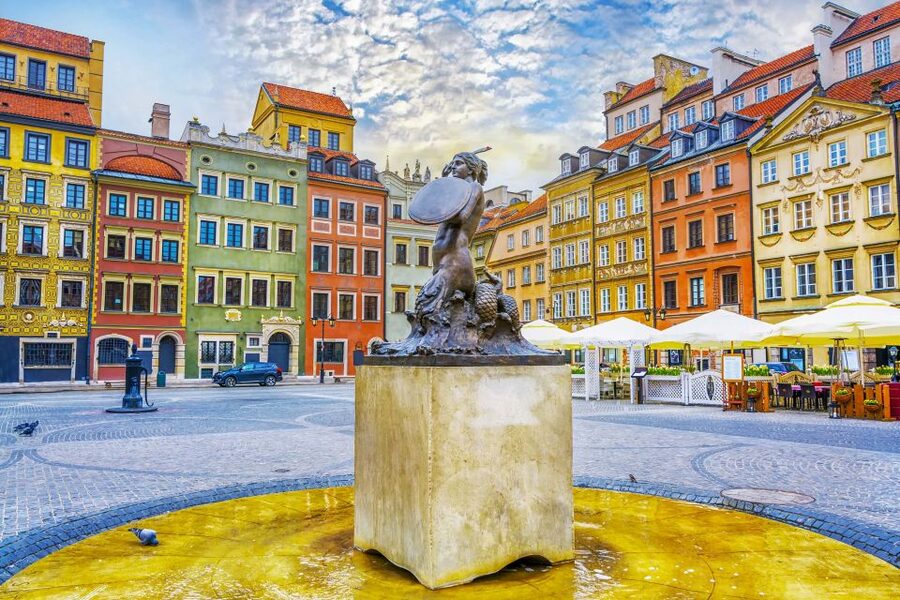
Old Town is also a stage for individuals who shaped Poland’s cultural and political life. During the walk, you’ll visit sites tied to famous Warsawians like Frédéric Chopin, Pope John Paul II, and Marie Curie, plus connections related to the Solidarity movement.
What I like about these personal threads is that they connect global names to street-level places. You don’t get a vague “Poland is important” message; you learn how people and movements connect to this specific geography. That makes the city feel human, not museum-like.
Your guide also weaves legends and authentic stories into the stops. That’s the tricky part of any walking tour, but the best ones keep it grounded—so you enjoy the tales without losing the historical thread.
New Town stop: a quick taste of what comes after the rebuilding
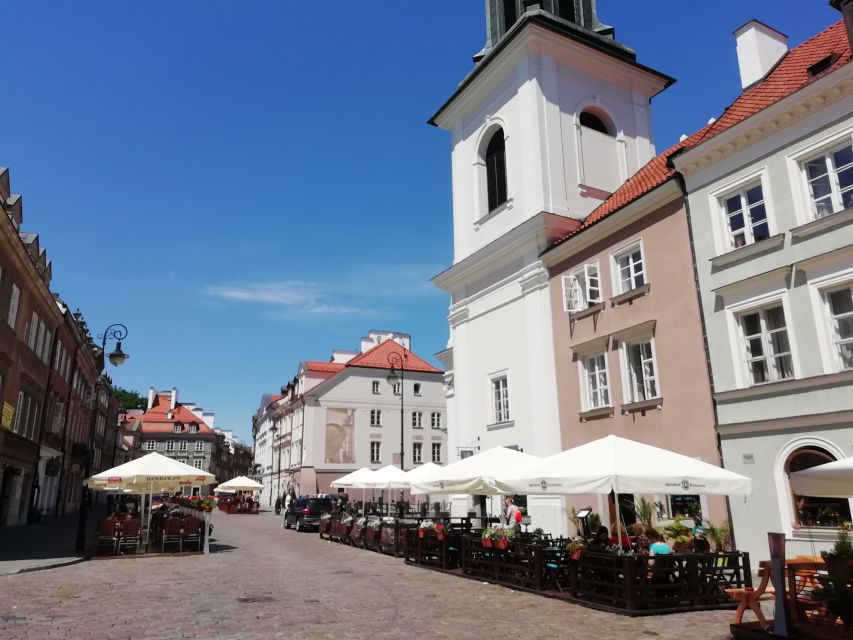
The tour also includes a glimpse of New Town, which helps you avoid ending the experience at a single era. After spending time understanding reconstruction and restoration in the Old Town core, seeing how the walk extends beyond it gives you a sense of continuity—Warsaw didn’t freeze in the restored past.
Two hours is short, so don’t expect a deep survey of every neighborhood. But the New Town stop gives you a useful “next question” for after the tour: where does the city go from here, and what else was rebuilt or reshaped later?
Price and value for a 2-hour Old Town walk
At $69 per person for a two-hour guided walk, you’re paying for more than access to monuments. You’re paying for interpretation: WWII context, reconstruction details, and the “why” behind each square and building.
That’s also why this works best when you’re traveling with limited time. If you only have a day or two in Warsaw and want the Old Town story in a way that actually sticks, this format is a good use of your hours. If you’re a solo wanderer who loves reading every plaque alone, you could also do Old Town on your own—but you’d miss a lot of the connections that make the reconstruction story feel coherent.
Also note what’s included and what isn’t. You get a certified guide, a city map and information booklets, and headsets by group size up to 10. You don’t get lunch or entrance tickets, so plan to buy food nearby if you need it. The tour’s focus stays on walking, stopping, and learning.
Practical tips: shoes, sun, and what to bring
Keep it simple and you’ll enjoy the walk more. Wear comfortable shoes—Old Town streets aren’t made for flimsy soles. Bring sunglasses, a sun hat, and sunscreen if the weather’s bright, and consider a small cash buffer since you may need it for purchases around the route.
You should also bring your questions. This is the kind of tour where the guide’s answers add real value, especially around WWII destruction, reconstruction choices, and the stories tied to major Polish figures. Since the tour is designed to be wheelchair accessible, expect the guide to keep the pace considerate and the route doable.
And for planning: there’s no food served during the tour, but you’ll find a cafe where you can purchase food if hunger shows up before you’re ready.
Should you book this Warsaw Old Town walking tour?
Yes—if you want a guided walk that explains why Warsaw’s Old Town looks the way it does, and why WWII reconstruction became such a defining story. This tour is a strong match for first-timers who want the key sights—Castle Square, Royal Castle, St. John’s Cathedral, Market Square, Barbican, and New Town—without spending hours piecing it together yourself.
Skip it only if you’re looking for lots of paid entrances or a long, sit-down museum experience. At two hours, it’s built for movement and meaning, not for a slow “read everything” pace. If that style fits you, this is one of the best ways to get the Old Town story straight, fast, and in context.
FAQ
How long is the Warsaw Old Town walking tour?
It lasts 2 hours.
Where does the tour meet?
Meet in front of the Nicolaus Copernicus Monument / Staszic Palac, ul. Nowy Świat 72. The guide will have a sign saying PolinTours – Private Guide.
What is the price?
The price is $69 per person.
Is lunch included?
No. No food is served on the tour, but there is a cafe where you can purchase food.
Are entrance tickets included?
No. Entrances are not included.
Is the tour wheelchair accessible?
Yes, the tour is wheelchair accessible.
What languages are available for the live guide?
The tour is offered with live guides in English, German, and Polish.
What should I bring?
Bring comfortable shoes, sunglasses, a sun hat, sunscreen, and cash.
Can I bring pets or large luggage?
No pets are allowed, and you also can’t bring oversize luggage or large bags.
Is tipping expected?
Gratuities are not included, and it is recommended to tip the guide 15–20% at the end of the tour.
More Tours in Warsaw
- Warsaw: Old Town Highlights Walking Tour in English
★ 4.7 · 1,516 reviews - Warsaw: City Sightseeing Hop-On Hop-Off Bus Tour
★ 3.6 · 1,415 reviews - Warsaw: Polish Vodka Museum Tour with Tasting
★ 4.6 · 788 reviews - 3-Hour Guided Cycling Tour of Warsaw
★ 4.9 · 624 reviews
More Tour Reviews in Warsaw
- Warsaw: Chopin Concert in the Old Town
★ 4.8 · 2,287 reviews - Warsaw: Traditional Galar Cruise on The Vistula River
★ 4.6 · 1,640 reviews - Warsaw: Old Town Highlights Walking Tour in English
★ 4.7 · 1,516 reviews - Warsaw Concert: Chopin – Painted by Candlelights with Wine
★ 4.8 · 1,442 reviews
The Old Town and Royal Route, More Walks
- Warsaw: Chopin Concert in the Old Town
★ 4.8 · 2,287 reviews - Warsaw: Old Town Highlights Walking Tour in English
★ 4.7 · 1,516 reviews - Warsaw: Old Town Guided Walking Tour
★ 4.9 · 599 reviews - Old Town Warsaw Walking Tour
★ 4.5 · 333 reviews
Fresh on the site: newer Warsaw reviews


Warsaw Old Town & Royal Route Walks: the other contenders.
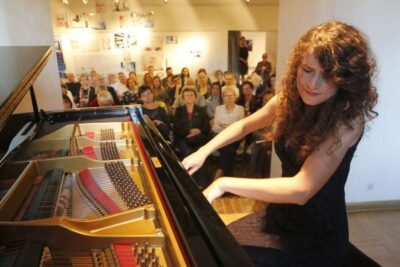 ★ 4.8Chopin Concert in the Old TownFrom $262,287 reviews
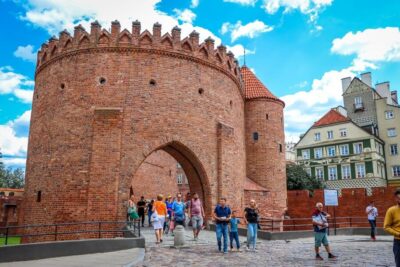 ★ 4.7Old Town Highlights Walking Tour in EnglishFrom $261,516 reviews
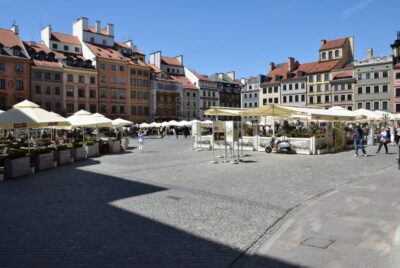 ★ 4.9Old Town Guided Walking TourFrom $13599 reviews
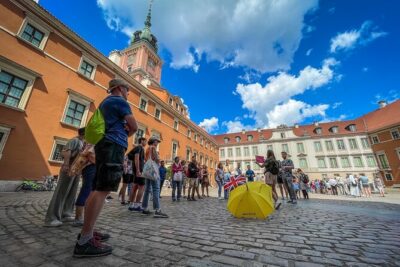 ★ 4.5Old Town Warsaw Walking TourFrom $26333 reviews
 ★ 4.9Warsaw Old Town 1.5-Hour or Full 3-Hour Segway TourFrom $69209 reviews
 ★ 5.0Everyday concerts of Chopin’s music at the Old Town in WarsawFrom $26192 reviews
 ★ 4.8Old and New Town Private Walking TourFrom $16116 reviews
 ★ 5.0Segway Tour Warsaw: Old Town Tour – 1,5-Hour of Magic!From $72112 reviews
Browse the lists this tour appears in