
Reviewed · BEST OF WARSAW CITY TOURS
13-Day Highlights of Poland Tour – private for 2-10 persons
Poland, made easy and well paced. This small-group private-vehicle tour strings together Warsaw, the Baltic coast, Masuria’s lakes, the mountains, and Kraków with 3- and 4-star hotels already lined up.
I like that the structure is taken care of for you: 12 included dinners and all breakfasts, plus entry tickets and local guides at the big-ticket stops. You might even ride with staff names like Witek and Grzegorz Brzostek, based on past departure feedback, which tells me the guiding tends to be personal and practical.
One consideration: the days are busy, there’s real walking, and the emotional visit to Auschwitz-Birkenau deserves a mindset where you can slow down and take it in.
In This Review
- Key highlights worth your attention
- Why this Poland trip feels easier than building it yourself
- Day 1 Warsaw: rebuilt Old Town, Chopin, and a welcome dinner
- Day 2: Masuria’s Wolfs Lair and a castle stay in Lidzbark Warminski
- Days 3–4: Malbork, Gdańsk shipyard stories, and Sopot’s pier walk
- Days 5–6: Toruń’s river charm, Biskupin’s ancient settlement, and Poznań’s town-hall power
- Days 7–8: Czestochowa’s Black Madonna and Auschwitz-Birkenau’s hard truth
- Days 9–10: Wadowice to Pieniny rafting, then Zakopane’s cable car panoramas
- Day 10–11: the cold Wieliczka salt mine and Kraków-bound Schindler Factory time
- Day 12–13 Kraków: Wawel, Rynek Glówny, and an easy airport ending
- Price and logistics: what you’re paying for (and what you still choose)
- Who should book this Poland tour—and who may want a slower pace
- My booking verdict: should you go?
- FAQ
- How big is the group on this tour?
- Where do we meet, and when does the tour start?
- What’s included in the price?
- Are all dinners included?
- Does the tour include guided visits and entrance tickets?
- What fitness level do I need?
- Is pickup offered, and do I get mobile tickets?
Key highlights worth your attention
- Private vehicle with a small group: less waiting, more control over timing and comfort
- Comfort + character hotels: including a castle stay in Lidzbark Warminski
- Big-name sights with tickets handled: from Malbork to Wieliczka and Wawel
- Nature isn’t a side quest: Elbląg Canal cruise and Dunajec rafting are built in
- Meal coverage is strong, not total: breakfasts and 12 dinners are included, with a few dinners on your own
Why this Poland trip feels easier than building it yourself
If you’ve tried planning Poland on your own, you already know the friction points: deciding where to sleep, booking trains between distant regions, translating ticket systems, and picking restaurants that match your schedule. This tour cuts that stress down fast by handling the core logistics—transport, hotels, and the major entry tickets—so you can focus on the places themselves.
The other big win is the private driving. You’re not herded onto transfers with strangers or forced to follow a rigid train timetable. Instead, you ride in an air-conditioned vehicle and move from city to countryside as the days require. That’s especially helpful in Poland because the country covers real distances: you’ll see Warsaw, the north coast, then work your way toward Kraków and the Tatra region.
Now, do note the tradeoff: because it’s a guided route, you’ll spend less time wandering without a plan. You also won’t have full control over pace, especially on longer travel days. If you like to linger at every coffee stop, plan to be flexible.
Warsaw in a morning: more city overviews
- Warsaw: Old Town Highlights Walking Tour in English★ 4.7 · 1,516 reviews
- Warsaw: City Sightseeing Hop-On Hop-Off Bus Tour★ 3.6 · 1,415 reviews
- Private Tour: Warsaw City Sightseeing by Retro Fiat★ 5.0 · 562 reviews
Day 1 Warsaw: rebuilt Old Town, Chopin, and a welcome dinner
Warsaw can feel like a city with two lives—old layers and a modern rebuild—and that sets the tone for the whole trip. On arrival, you’re transferred to your Warsaw hotel and meet your tour leader early afternoon, which means you start sightseeing the same day instead of losing half a vacation to logistics.
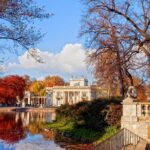
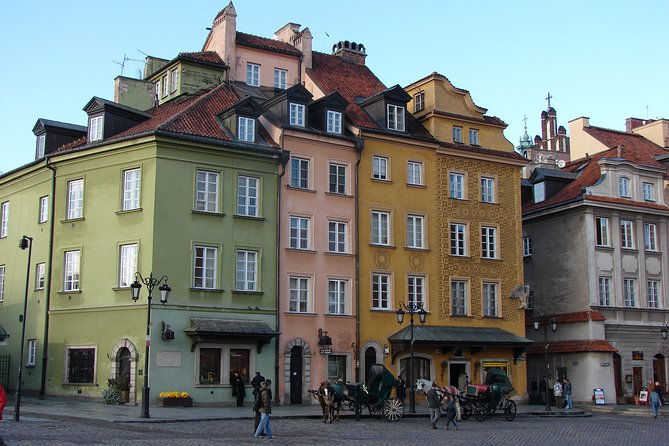
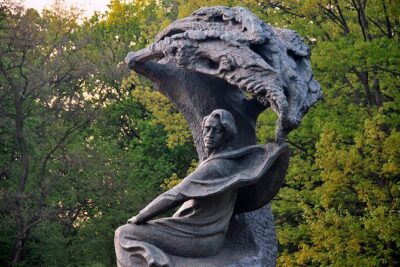
Your city tour hits the Old Town, a place rebuilt after WWII destruction, so you get a powerful sense of survival-by-reconstruction rather than just pretty facades. You’ll also walk through Łazienki Park, with the Frederic Chopin monument and the Palace on the Water. It’s a nice counterbalance to the heavier WWII sites later in the day.
Two other stops give Warsaw its dramatic edge: the Warsaw Uprising Monument area, and time near the Royal Castle. Then you finish with a welcome dinner in the Old Town—one of those smart touches that helps you get your bearings fast and start the trip already comfortable.
Practical tip: wear shoes you can walk in for long stretches. This first day sets the rhythm, and it’s worth being ready.
Day 2: Masuria’s Wolfs Lair and a castle stay in Lidzbark Warminski
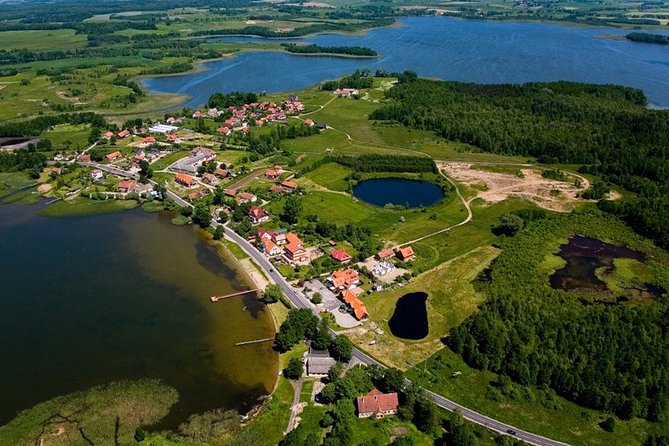
Day 2 shifts you north into Masuria, known as the Region of a Thousand Lakes. The drive is long enough that the private vehicle matters. You’re not just sitting there—you’re traveling with context, heading straight toward one of Poland’s most intense WWII sites.
First stop: Wilczy Szaniec (Wolfs Lair), Hitler’s WWII headquarters. You’ll get a guided tour with a local specialist. This is one of those moments where good interpretation makes a difference; the site is large and historically dense, so having someone explain what you’re seeing helps you connect the dots instead of just ticking off buildings.
Then you move on to Lidzbark Warminski, where you check into a hotel housed in a XIV-century renovated castle. This isn’t a generic hotel stay. You’ll sleep in castle chambers and have free time in the evening, with castle activities listed as options like swimming at the castle pool, sauna time, and things such as bowling or biking for an additional cost.
That combo—hard history in the morning, then a relaxed evening in a historic castle—creates a good emotional reset. You also get dinner at the castle restaurant, so the day has a complete feel: sight, reflection, then comfort.
Days 3–4: Malbork, Gdańsk shipyard stories, and Sopot’s pier walk
This section is where Poland starts to feel like a whole different country: fortified medieval walls, maritime legends, and Baltic air.
On Day 3, you begin with a unique 2-hour cruise along the Elbląg Canal. The canal is described as one of Poland’s seven tourism wonders, and it’s built in the 19th century and renovated later. That “cruise” element matters because it adds motion and scenery without you having to manage travel timing yourself. After that, you head to Malbork Castle, the medieval fortress of the Teutonic Knights, widely considered the greatest castle in Poland. It’s a standout because it’s not a small monument—you get a sense of scale, power, and defensive design.
That same day you check in to Gdańsk and have dinner.
Day 4 is your maritime day in Gdańsk, Poland’s historical port town and the birthplace and home of Solidarity. You’ll see major anchors like the Basilica, the Neptune Monument, Zuraw Gdański, and the harbor. Westerplatte enters as a key WWII starting point: the place where WWII officially began.
There’s also an optional-style cultural moment included in the flow: in the Gothic Cathedral at Oliwa, you can listen to a concert featuring a baroque pipe organ. If you’re even mildly curious about classical music, this is a great chance to experience it where it fits the setting.
Then you add Sopot for the palate cleanser: time to walk along the Baltic seaside and enjoy the longest wooden pier in Europe. Dinner is on your own that day, so you can decide whether you want seafood, pier-side snacks, or something simpler after a full day.
Days 5–6: Toruń’s river charm, Biskupin’s ancient settlement, and Poznań’s town-hall power
Day 5 moves you to Toruń, positioned on the Vistula River. This is one of those cities that feels made for walking. The guided old-town visit focuses on the City Hall, the cathedral, and the renovated Nicolas Copernicus Museum. Toruń is also a very “human-scale” break after big medieval sights—still historic, just easier to explore without constant fortress-walls energy.
A highlight here is the House of Nicolas Copernicus Museum, included as a ticketed visit. If you like science history, it’s a good pairing with the broader Polish cultural story.
Day 6 starts with Gniezno, the historic capital of Poland. On the way, you stop at Biskupin, an open-air archaeological site with a reconstructed settlement dated to around 750 B.C. This is one of the best “quick learning stops” in the whole route: you walk through a tangible past rather than only reading about it.
Then you reach Gniezno Cathedral with a local guide. The day continues onward to Poznań, where you check in for dinner and sleep. Poznań’s guided old-town walk includes the impressive Town Hall and the countrys oldest cathedral (with tombs of the first rulers). It’s a good way to see Poland’s power centers beyond Warsaw and Kraków.
Tip: keep an eye on how much walking you’re doing. By now your legs will notice the difference between “sightseeing steps” and “castle steps.”
Further afield: more days out of Warsaw

Days 7–8: Czestochowa’s Black Madonna and Auschwitz-Birkenau’s hard truth
Day 7 brings you to Częstochowa, anchored by the Black Madonna at the Jasna Góra Monastery. The visit includes a guided tour led by one of the Pauline Fathers. Even if you’re not religious, this is still meaningful because the monastery is a living place of devotion and history, not just a museum room behind glass. The itinerary also gives you the option of evening mass.
Later, you drive to Oświęcim (Auschwitz) and check in for the night.
Day 8 is the emotional centerpiece: Auschwitz-Birkenau, visited with a guided tour. This is not a stop to treat casually. Go in with quiet respect, and give yourself time to absorb what the guide explains. The site is heavy, but the guidance can help you understand the “what” and “why” in a way that’s harder to piece together on your own.
After the guided tour, you return to the hotel for dinner and sleep. That return is practical—this kind of day takes something out of you, and you’ll be glad food and rest are built into the plan.
Days 9–10: Wadowice to Pieniny rafting, then Zakopane’s cable car panoramas
Day 9 is a nice tonal shift after the intensity. It starts with Wadowice, John Paul II’s hometown. You visit the basilica where he was baptized, and the guide invites you to taste the famous cream cakes of the Pope. It’s a small moment, but these food-and-story details are often what people remember after the big monuments blur together.
Then the day heads to Pieniny National Park for the Dunajec River rafting. You’ll experience the rafting through the Dunajec Gorge, piloted by Uplander raftsmen. The descriptions include views of two castles: Niedzica and Czorsztyn, before you enter the deeper gorge surrounded by white limestone walls. This is one of those experiences where the “active” part helps you process the trip as a whole.
You arrive in Zakopane in the evening and stay for the night, with dinner included.
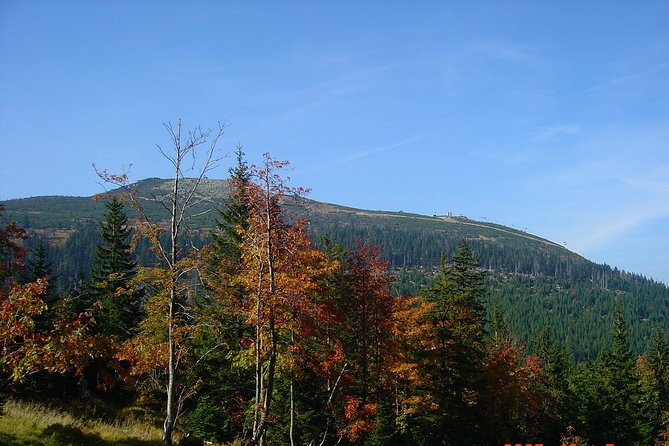
Day 10 is Zakopane’s sightseeing day. You’ll tour the winter-capital town and see examples of the unique 19th/early 20th-century wooden architecture. Then you ride a cable car up to Mount Gubałówka for panoramic Tatra views. The itinerary also offers a possible 2-hour guided walk in the Tatra National Park, plus time for local shops and handmade craft products.
Dinner here includes live music, which is a great way to make Zakopane feel like more than a scenic stop. This is the day you’ll likely feel your mood lift.
Day 10–11: the cold Wieliczka salt mine and Kraków-bound Schindler Factory time
Day 10’s mountain time continues into Day 11 with an early morning departure to the Wieliczka Salt Mine. The mine is described as only 14°C, so bring something warm. Even if you run hot, you’ll feel the difference once you’re underground. The mine is also said to be about 800 years old and the oldest in Europe, and the visit includes the walk through underground salt-sculpture scenes.
A big standout is the St. Kinga’s Chapel, with salt sculptures and relics, plus corridors with original medieval mining equipment and subterranean salt lakes. You’ll also get a Schindler Factory Museum visit around an hour long, with a guide. This pairs well with the earlier WWII visit because it adds a different angle on human choices and survival.
After the museum, you travel to your hotel in Kraków. Dinner is on your own that evening, so it’s a chance to pick a restaurant you like without the group schedule pressure.
Day 12–13 Kraków: Wawel, Rynek Glówny, and an easy airport ending
Kraków is the “slow down” moment of the route, but it’s still a fully guided day.
Day 12 starts with a walking tour that includes Wawel Hill, where you visit the Royal Castle and the Coronation Cathedral. You’ll see the burial place of kings and famous figures, and also have time in the Royal Chambers to discover a collection of Flemish tapestries. That mix—architecture, ceremony, and art—helps Kraków feel layered instead of just scenic.
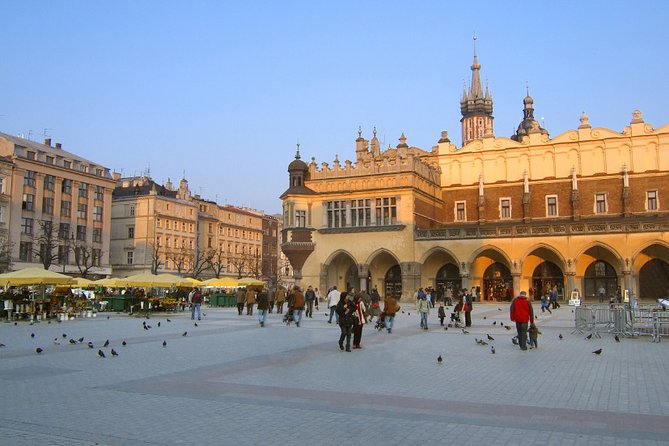
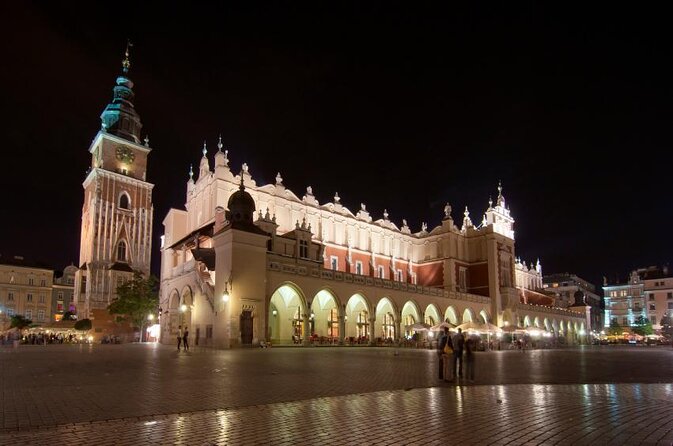
You also cover the Old Town area, including the defensive walls and the Barbican. Then the walk turns toward Rynek Główny, Kraków’s central Market Square, dominated by St. Mary’s Church. The route includes visits around St. Mary’s Basilica and time near the Sukiennice (Cloth Hall).
Day 13 is straightforward. You check out and, if your tour ends here, you’re transferred to Kraków airport. That smooth finish is worth something, because you avoid the scramble of last-day commuting.
Price and logistics: what you’re paying for (and what you still choose)
At $5,350 per person for 13 days, this isn’t a budget-only trip. But your money is tied up in things that are hard to replicate cheaply if you’re doing it yourself: air-conditioned private vehicle transfers, 3- and 4-star hotels, licensed tour guidance plus local guides, airport transfers, and entry tickets at major stops.
Meals are another big value factor. You get all breakfasts and 12 dinners included. Still, the plan leaves a few dinners on your own—good for flexibility, and also useful if you want to pace yourself after long walking days.
What you’ll still need to plan yourself:
- Bring comfy walking shoes and clothes for changing conditions, especially for the mine’s 14°C underground temps.
- Decide how you’ll handle optional extras. The castle in Lidzbark lists activities that are paid separately, like swimming-related extras, bowling, or biking.
- Keep your expectations realistic for pace: there are long drives (including a 4.5-hour drive early on), and the tour is built to cover a lot of geography.
Who should book this Poland tour—and who may want a slower pace
This is a strong fit if you want a single, guided route that blends cities, major WWII sites, and real nature time. It’s also a good match if you’d rather not coordinate trains and hotel changes across regions like the Baltics, Masuria, and the mountains.
It’s especially appealing if you like:
- guided visits that include entry tickets and local specialists
- a mix of culture and nature (canal cruise, rafting, mountains)
- comfortable hotels after full travel days
You might want a different approach if:
- you prefer slow, unstructured days where you can drop the plan completely
- you’re not comfortable with moderate physical walking and long days
- Auschwitz is something you want to arrange with more personal flexibility (the stop is fixed and guided here)
My booking verdict: should you go?
If you want Poland with less hassle and a lot more “yes, I actually saw that” moments, this tour makes sense. The combination of private transportation, entry-tickets handled, strong meal coverage, and standout stops—Malbork’s fortress scale, Gdańsk’s maritime story, Dunajec’s rafting scenery, and Kraków’s Wawel—adds up to a trip that feels complete without being impossible to manage.
Book it if your ideal vacation is guided, efficient, and emotionally thoughtful on the heavy days. Skip it if you’re looking for total freedom and lots of downtime. For most people who want Poland in one shot, this is a solid yes.
FAQ
How big is the group on this tour?
It’s a private tour for 2–10 persons, and it’s described as a small group with a maximum of 15 participants.
Where do we meet, and when does the tour start?
The meeting point is Frederic Chopin Airport in Warsaw, Poland, with a start time of 9:00 am.
What’s included in the price?
The package includes an air-conditioned vehicle, 3 / 4 hotels, a licensed tour guide plus local tour guides, entry tickets to attractions and activities, airport transfers on arrival and departure, plus dinner (12) and breakfast (12).
Are all dinners included?
Not all dinners are included. Breakfasts are included every day, and 12 dinners are included, with some days specifically marked for dinner on your own.
Does the tour include guided visits and entrance tickets?
Yes. The tour includes entrance tickets to attractions and activities on the schedule, along with guidance from a licensed tour guide and local guides.
What fitness level do I need?
The tour notes a moderate physical fitness level is recommended.
Is pickup offered, and do I get mobile tickets?
Pickup is offered, and mobile ticketing is listed as a feature.
More Tour Reviews in Warsaw
- Warsaw: Chopin Concert in the Old Town
★ 4.8 · 2,287 reviews - Warsaw: Traditional Galar Cruise on The Vistula River
★ 4.6 · 1,640 reviews - Warsaw: Old Town Highlights Walking Tour in English
★ 4.7 · 1,516 reviews - Warsaw Concert: Chopin – Painted by Candlelights with Wine
★ 4.8 · 1,442 reviews
Further Out: Days from Warsaw
- Gdansk and Malbork Castle Small Group Tour from Warsaw with Lunch
★ 4.5 · 20 reviews - Bialowieza National Park Small Group Tour from Warsaw with Lunch included
★ 5.0 · 18 reviews - Warsaw: Bialowieza National Park and European Bison Tour
★ 4.9 · 13 reviews - 12 Day Private Tour of Poland with Hotels
★ 5.0 · 11 reviews
See More of Warsaw at a Glance
- Warsaw: Old Town Highlights Walking Tour in English
★ 4.7 · 1,516 reviews - Warsaw: City Sightseeing Hop-On Hop-Off Bus Tour
★ 3.6 · 1,415 reviews - Private Tour: Warsaw City Sightseeing by Retro Fiat
★ 5.0 · 562 reviews - Warsaw: Afternoon Public City Tour with Pickup and Drop-off
★ 4.4 · 421 reviews
Fresh on the site: newer Warsaw reviews

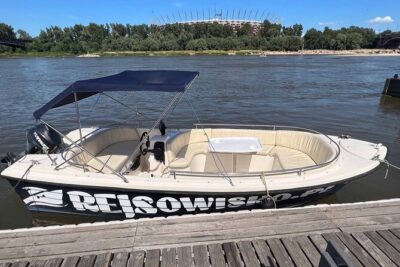
Best of Warsaw City Tours: the other contenders.
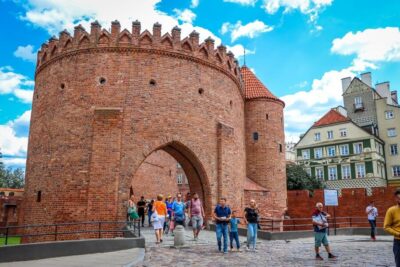 ★ 4.7Old Town Highlights Walking Tour in EnglishFrom $261,516 reviews
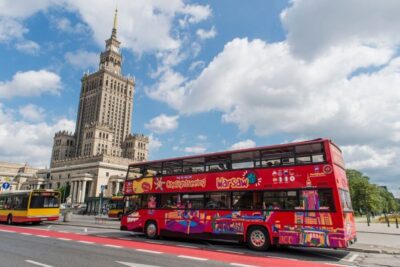 ★ 3.6City Sightseeing Hop-On Hop-Off Bus TourFrom $411,415 reviews
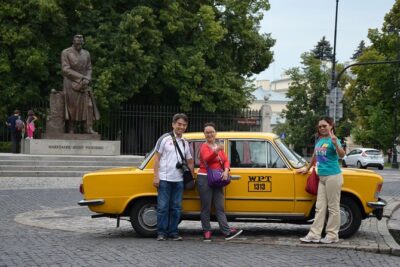 ★ 5.0Private Tour: Warsaw City Sightseeing by Retro FiatFrom $108562 reviews
 ★ 4.4Afternoon Public City Tour with Pickup and Drop-offFrom $51421 reviews
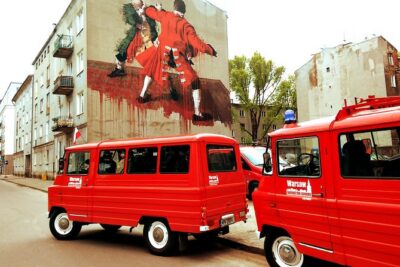 ★ 5.0Warsaw Behind the Scenes – small group tour with hotel pickupFrom $133228 reviews
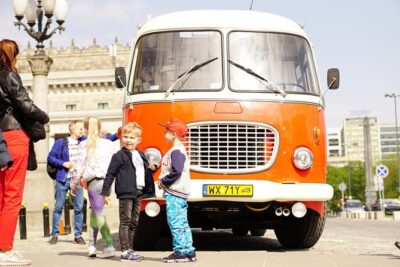 ★ 5.0Warsaw City Sightseeing in a Retro BusFrom $42196 reviews
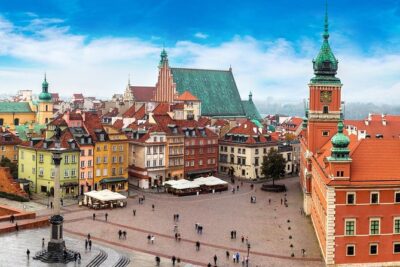 ★ 4.5Warsaw Morning, Guided, Panoramic View, public city tour with hotel pick upFrom $60172 reviews
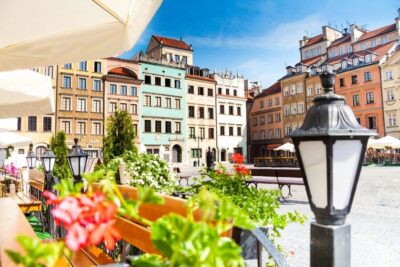 ★ 4.53-Hour Panoramic City Bus Tour with PickupFrom $58169 reviews
Browse the lists this tour appears in