
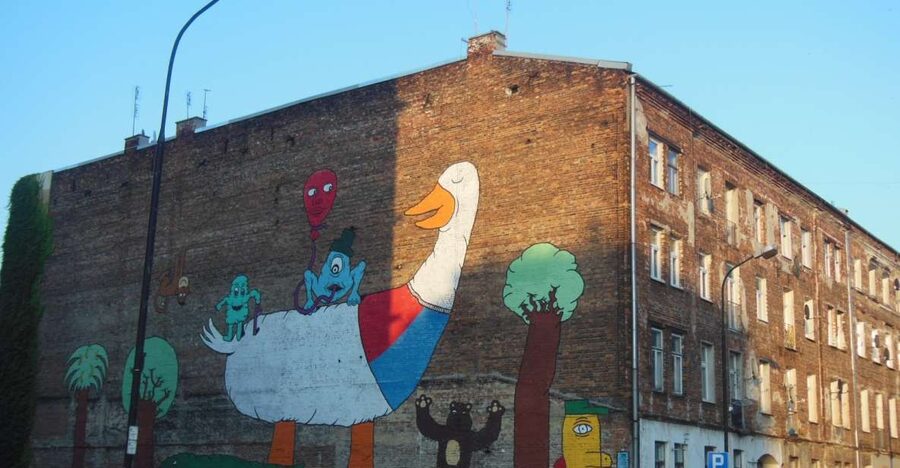
Reviewed · PRAGA DISTRICT TOURS
Warsaw: 2-Hour Praga Walking Tour
Praga rewrites your idea of Warsaw. I love how this walk shows pre-war Warsaw in real street form, with tenement buildings marked by bullets and the story of a neighborhood built on trade and mixed faiths. I also love the way the tour lands at the Koneser vodka factory complex, turning heavy industry into a place you can actually linger. With guides like Marzena, the facts feel clear, not like a lecture.
The main drawback is simple: it’s a tight 2 hours on your feet, and there’s no lunch or drinks included. If you get hungry fast, plan a snack before you go. Also, double-check the meeting spot for the private group tour, since you’ll need to find the guide right at the start.
In This Review
- Key things I’d circle on your map
- Praga on the right bank: why this Warsaw side feels different
- Starting at Maria and Magdalena: get your bearings fast
- The streets of pre-war Warsaw: bullet holes and practical context
- St. Florian Cathedral: a landmark you’ll actually use while walking
- The Orthodox church and the Jewish spaces it replaced
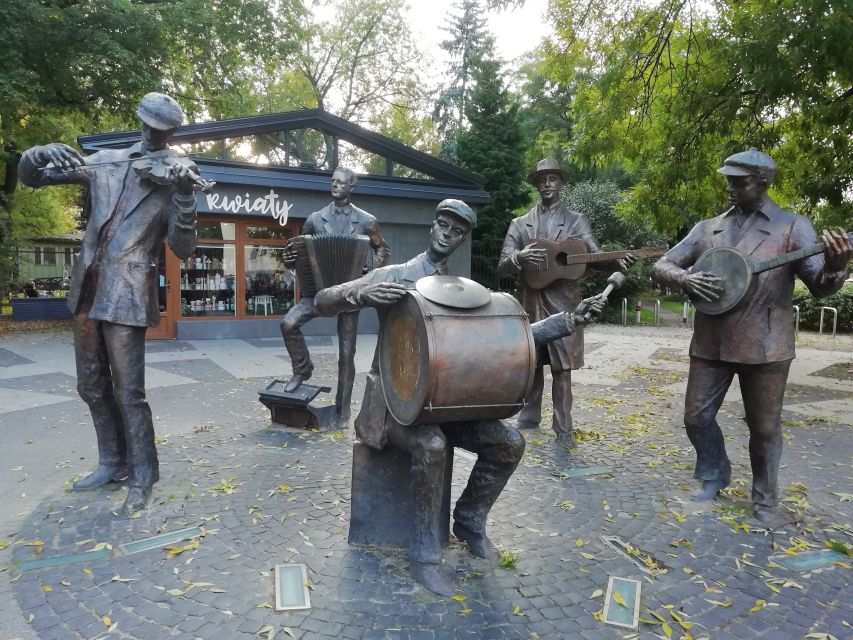
- Rozycki Bazaar and the Praga Street Band monument
- Koneser vodka factory complex: from industrial backbone to creative present
- Roman Polanski’s The Pianist: spotting film-linked streets
- The Warsaw Zoo director and his wife: why this story matters
- Price and value: is $69 for two hours fair?
- Practicalities that make or break the experience
- Who this tour suits best
- Should you book this Warsaw Praga walking tour?
- FAQ
- How long is the Warsaw Praga walking tour?
- Where do I meet the guide?
- Is lunch included?
- Are food and drinks included?
- What languages are available for the live guide?
- Is this tour a private group?
- Can I cancel for a full refund?
Key things I’d circle on your map
- Pre-war scars and layered architecture: tenement houses with bullet holes, plus communist-era apartment blocks and post-industrial zones
- St. Florian Cathedral and Praga’s spiritual mix: a stop that ties the neighborhood to faiths that lived side by side
- Orthodox church with Jewish-history context: the building’s past as a synagogue and ritual bath
- Rozycki Bazaar and Praga Street Band monument: markets and local identity, not just photo stops
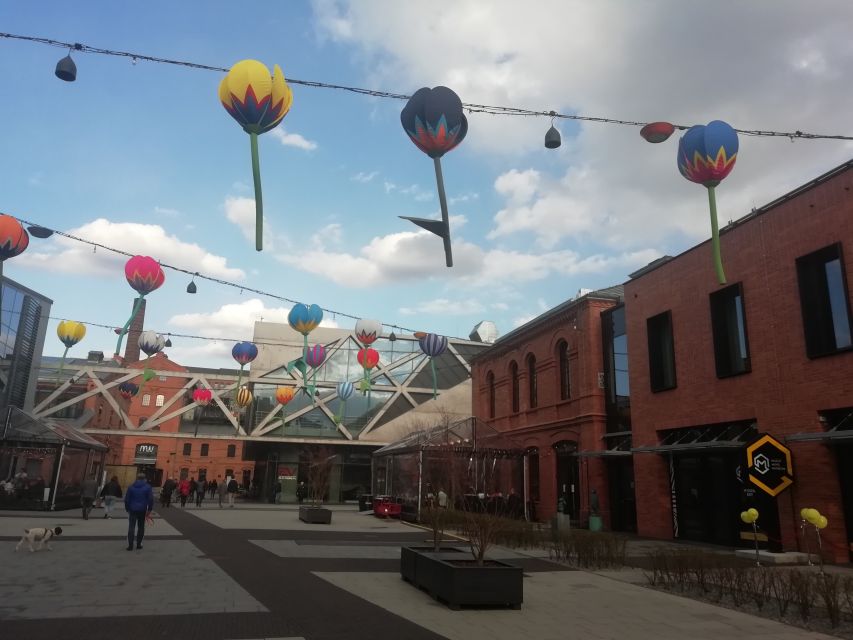
- Koneser vodka factory complex: industry transformed into modern creative space
- Film and wartime stories: Roman Polanski’s The Pianist film shooting streets, plus the Warsaw Zoo director and his wife’s rescue work
Praga on the right bank: why this Warsaw side feels different
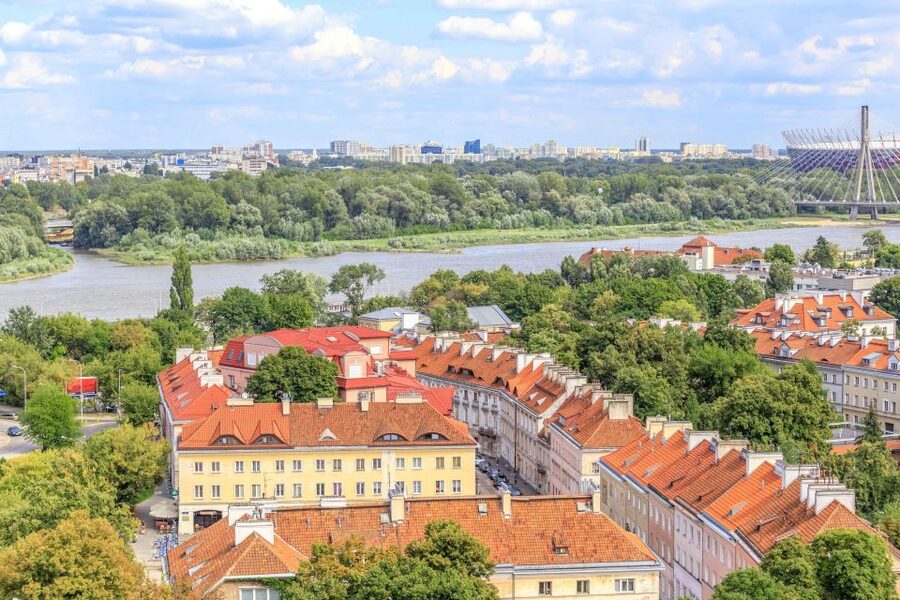
Warsaw often gets framed as Old Town postcard scenes. This tour points you to the other half of the story: Praga, on the right bank of the Vistula, just minutes from the left-bank classics. Praga grew up as a working district—trade, industry, and different communities living close enough to share space and pressure each other.
That’s what makes the walking tour click. You’re not only learning dates. You’re seeing how a place organizes itself around work, faith, and survival. And then you watch later generations repurpose the same walls for art galleries, boutique businesses, and restaurants.
If you’re the type who likes Warsaw to have texture—scratches, repairs, and leftovers from older eras—this is your pace.
Deeper into Praga, over on the far bank
- Warsaw Praga Guided Historical Walking Tour★ 4.5 · 21 reviews
- Warsaw: 2-Hour Praga Walking Tour★ 4.5 · 18 reviews
- Warsaw Praga — where modern, traditional, and bohemian meet★ 4.5 · 14 reviews
Starting at Maria and Magdalena: get your bearings fast
You meet in front of the Metropolitan Cathedral of Maria and Magdalena at the exit from subway M2, with the guide holding a PolinTours sign. It’s a solid choice for orientation. This cathedral area gives you a clear start point, and it’s easy to arrive a few minutes early and get settled before the group moves on.
The tour runs for 2 hours, so the guide keeps momentum. That means you’ll cover multiple streets and landmarks without long detours. It also means comfy shoes are not optional. Think “walkable,” not “pretty.”
The streets of pre-war Warsaw: bullet holes and practical context
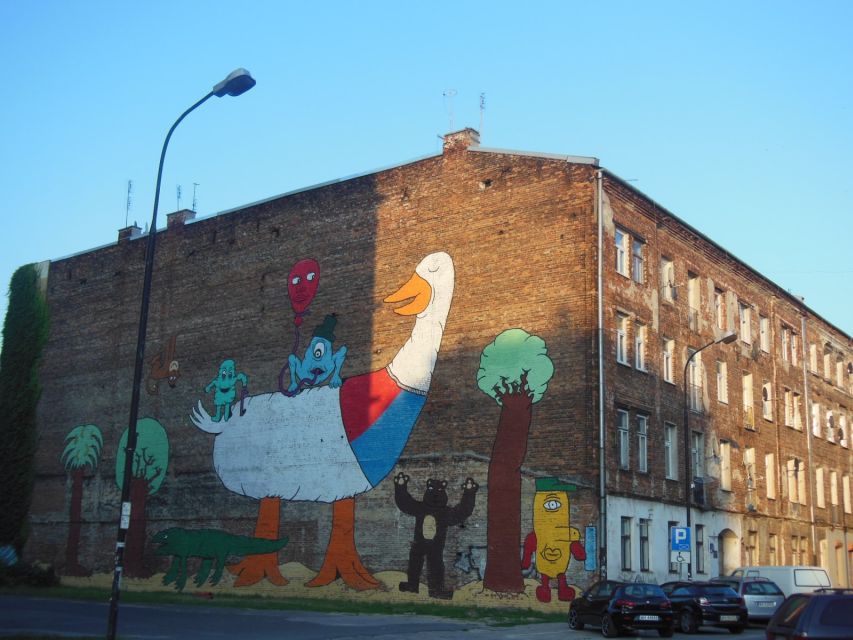
One of the most striking parts of this experience is the focus on the real face of pre-war Warsaw. You’ll pass tenement houses with bullet holes, which is heavy material—but the point here isn’t shock value. It’s a way to understand what violence did to everyday life, and how those marks stayed visible even as the neighborhood changed hands.
You also see the “middle layer” of history: grey communist-era apartment blocks. The tour doesn’t treat them like background scenery. It frames them as part of how Praga evolved, including the tension between controlled economies and the district’s trading identity.
Then comes the post-industrial angle. Praga has industrial and industrial-adjacent zones where today you might notice galleries, designer shops, and places to eat. Watching that shift happen along the same streets helps you understand why Praga feels both old and current at the same time.
St. Florian Cathedral: a landmark you’ll actually use while walking
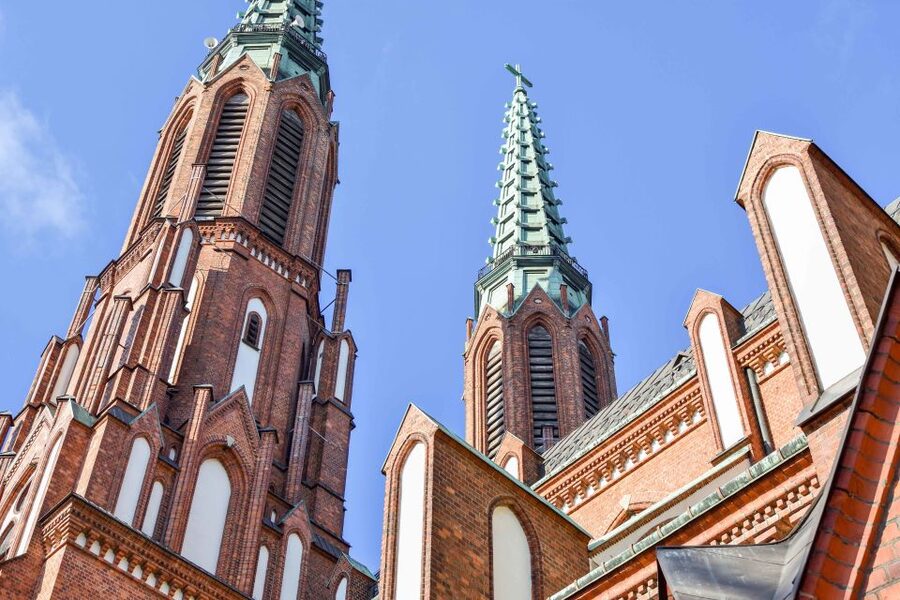
During a route like this, a stop at St. Florian Cathedral does more than add a photo opportunity. It gives you a key architectural anchor so you can track where the neighborhood’s heart has been over time.
Catholic landmarks matter here because Praga’s story isn’t one community, one timeline, and one power center. The tour emphasizes how Christians, Jews, and Orthodox residents lived side by side over the centuries. Even if you’re not a “church person,” the building helps you feel how the area organized public life.
The Orthodox church and the Jewish spaces it replaced
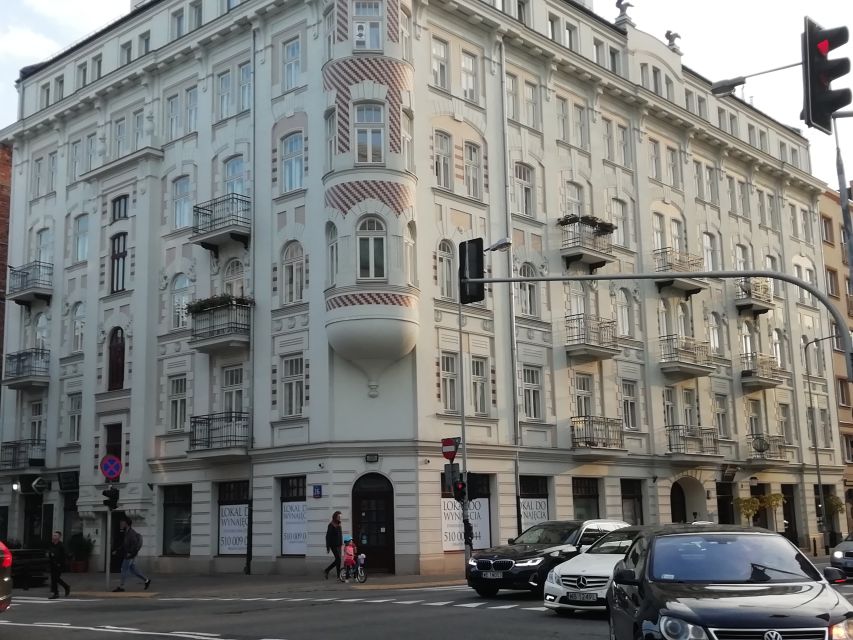
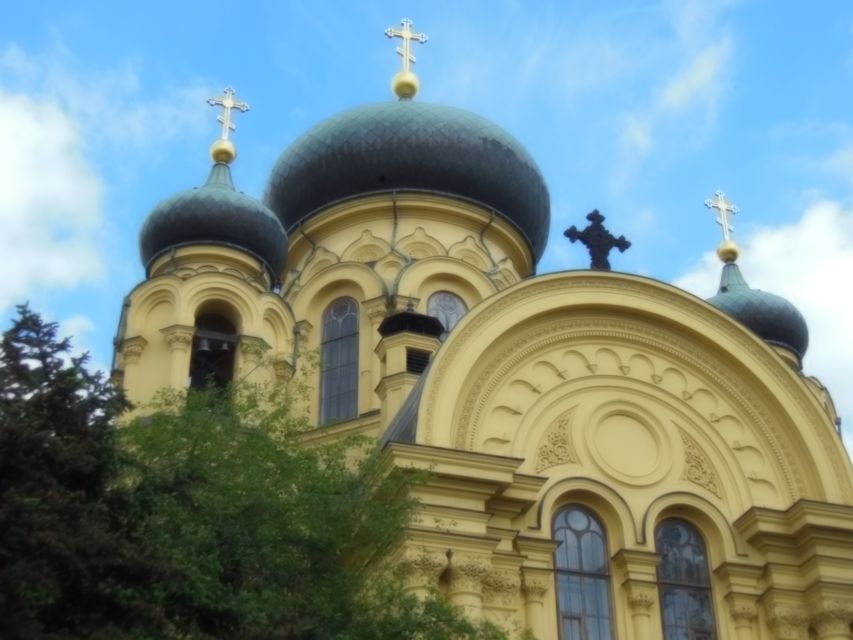
Another standout is the Orthodox church, described as a former place of the synagogue and the ritual bath. That’s a powerful stop because it forces you to look at religious space as something that can be changed, reused, and rewritten across eras.
The tour’s framing makes this more than a historical footnote. You get a sense of how community life used specialized buildings for worship and for ritual practice, and how those functions can shift when populations are displaced, policies change, or regimes fall.
If you care about how cities store memory in stone and layout, this stop will land. It also pairs well with the tour’s later wartime rescue story, since both sections deal with what happens to people when systems break.
On foot through Warsaw: more guided walks


Rozycki Bazaar and the Praga Street Band monument
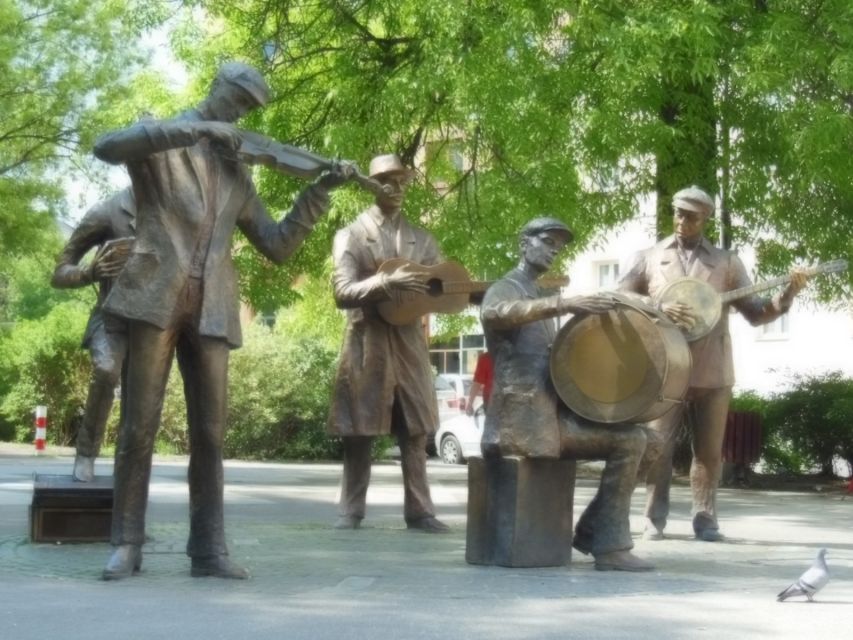
Praga isn’t only cathedrals and old wars. You’ll also visit Rozycki Bazaar, a market stop that helps explain how the district operated day to day. Market districts are where commerce becomes culture—where the neighborhood’s “working” identity turns into something you can recognize even if you don’t know the full timeline.
Next, there’s the monument of the Praga Street Band. You’ll feel the intent quickly. The tour connects Praga’s identity to local character, not just economics. It’s the kind of detail that turns the district from a history lesson into a place with personality.
If you’re used to sightseeing that ends at big monuments, this part gives you the smaller civic signals. Markets and street culture are how neighborhoods introduce themselves.
Koneser vodka factory complex: from industrial backbone to creative present
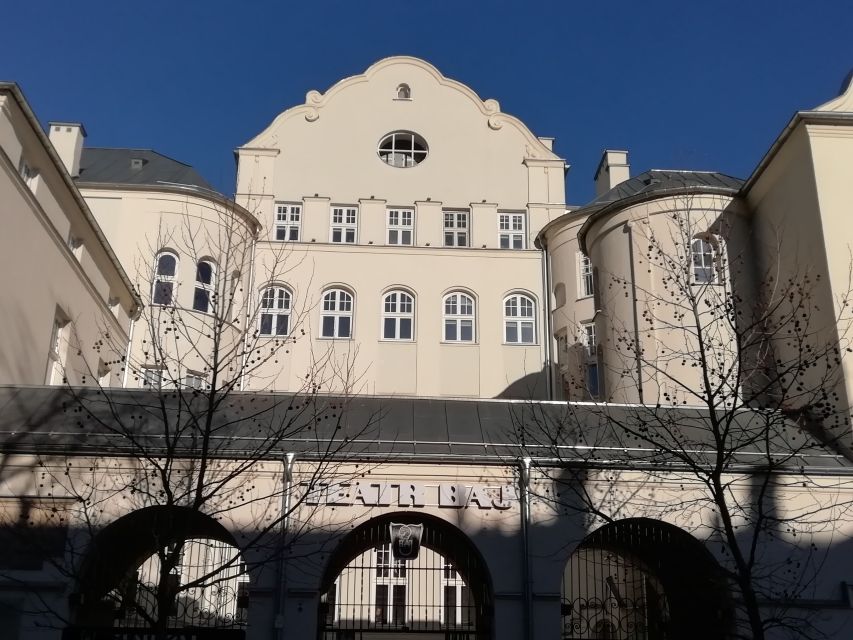
The final big visual payoff is the complex of the vodka factory Koneser. On paper, it might sound like a fun extra. In practice, it’s one of the best ways to understand Praga’s identity: trade and industry built the district, and later generations repurposed those industrial bones.
The tour’s description highlights that this isn’t just about old machinery. You’re seeing how the neighborhood now hosts design-focused spaces and eateries. That matters because it shows continuity in a new form. Praga’s “work ethic” didn’t disappear—it shifted from producing goods to producing experiences.
Also, this is the area where your attention will sharpen for details. Even if you’ve seen renovated factory spaces elsewhere, Koneser’s story fits the route. It’s the practical endpoint to everything you’ve heard about pre-war entrepreneurship, later communist-era symbolism of free trade, and the lasting impact of industry on urban planning.
Roman Polanski’s The Pianist: spotting film-linked streets
A fun angle in this tour is the connection to Roman Polanski’s Oscar-winning movie The Pianist. You’ll see streets connected to where filming happened. That’s the kind of detail that makes you look up from your phone for a second and actually notice the geometry of the street—what kind of blocks create the right mood, and how a neighborhood’s shape can work for storytelling.
The key is the context the guide gives. The film connection isn’t a trivia hunt. It’s a bridge between Praga’s built environment and the wider Warsaw narrative, including the world of ghetto history and wartime survival that The Pianist is known for.
Even if you’ve never watched the film, the street connections help you understand why directors chase “real” neighborhoods rather than building sets from scratch.
The Warsaw Zoo director and his wife: why this story matters
This tour also includes one of its most serious threads: the director of the Warsaw Zoo and his wife, who helped save hundreds of Jews from the Warsaw Ghetto. That’s not a random story-time fact. It’s tied to the district’s larger history of rescue, networks, and the kind of courage that doesn’t fit neatly into official plaques.
I like how the tour treats this as part of Praga’s human landscape, not a separate chapter floating in the middle of sightseeing. It helps you understand why wartime stories often connect to ordinary places and relationships—people working, traveling, hiding, and deciding.
If you want one reason to book instead of just wandering, this is it. You get the names of roles and the outline of the rescue effort, in the same walking space where you’re learning about buildings and community.
Price and value: is $69 for two hours fair?
The price is $69 per person for a 2-hour walking tour with a certified tour guide. On value, I think the key question is what you want from your time.
If your goal is only to “see Praga,” you could technically self-walk using maps and stop at a couple of obvious landmarks. But this route does more than cover points. It connects architecture (bullet holes, communist blocks, industrial zones) with specific local stories (church reuse, market culture, film-linked streets, and the Warsaw Zoo rescue).
So you’re paying for synthesis—someone who can connect the dots as you walk. For many people, that’s worth it, especially when the material is dense and the details matter.
Practicalities that make or break the experience
You’ll walk for 2 hours, so plan your body like you’re actually sightseeing. Bring comfortable shoes, sunglasses, sun hat, and sunscreen. If weather is rough, the walking plan still moves, so you’ll want footwear that handles uneven sidewalks without drama.
The tour also has a few “simple but important” rules:
- No pets
- No oversize luggage / large bags
- No smoking
- No alcohol and drugs
Also, remember that food and drinks are not included. You’re not getting a lunch stop built into the route, so if you’re the type who needs fuel to stay pleasant, grab something before you meet.
Language options are English, German, or Polish, and the tour is private group. That usually means you can expect a more focused experience than you’d get with a massive, mixed-speed group.
Who this tour suits best
This is a great fit if you:
- want real neighborhoods instead of only big-ticket sights
- like history that’s tied to street-level details
- care about how modern Praga is built on the same walls as older Praga
- enjoy guides who can answer questions clearly—especially if you’re traveling solo and want time for your curiosity
It’s less ideal if you hate serious topics. The tour covers wartime marks and rescue efforts, and while it’s presented as history with context, it won’t feel like a casual chat.
Should you book this Warsaw Praga walking tour?
I’d book it if you want Praga to make sense quickly and feel meaningful. The combination of pre-war scars, major architectural stops, the Koneser industrial-to-modern ending, plus film-linked streets and the Warsaw Zoo rescue story gives you a lot of “why” in just two hours.
Skip it only if you need lots of breaks, you expect lunch to be included, or you want sightseeing that stays light the whole time. Otherwise, this tour is one of the smartest ways to see Warsaw off the main track—without getting lost in a self-guided blur.
FAQ
How long is the Warsaw Praga walking tour?
The tour lasts 2 hours.
Where do I meet the guide?
You meet in front of the Metropolitan Cathedral of Maria and Magdalena, at the exit from the subway M2. The guide waits there with a PolinTours sign. The address is aleja “Solidarności” 52, 03-402 Warszawa, Polska.
Is lunch included?
No. Lunch is not included.
Are food and drinks included?
No. Food and drinks are not included.
What languages are available for the live guide?
The tour is offered with live guides in English, German, and Polish.
Is this tour a private group?
Yes. It is listed as a private group.
Can I cancel for a full refund?
Yes. Free cancellation is available if you cancel up to 24 hours in advance for a full refund.
More Tours in Warsaw
- Warsaw: Old Town Highlights Walking Tour in English
★ 4.7 · 1,516 reviews - Warsaw: City Sightseeing Hop-On Hop-Off Bus Tour
★ 3.6 · 1,415 reviews - Warsaw: Polish Vodka Museum Tour with Tasting
★ 4.6 · 788 reviews - 3-Hour Guided Cycling Tour of Warsaw
★ 4.9 · 624 reviews
More Tour Reviews in Warsaw
- Warsaw: Chopin Concert in the Old Town
★ 4.8 · 2,287 reviews - Warsaw: Traditional Galar Cruise on The Vistula River
★ 4.6 · 1,640 reviews - Warsaw: Old Town Highlights Walking Tour in English
★ 4.7 · 1,516 reviews - Warsaw Concert: Chopin – Painted by Candlelights with Wine
★ 4.8 · 1,442 reviews
More of Praga, Across the River
- Discover the Dark Side of Warsaw in Praga District by Retro Bus
★ 5.0 · 327 reviews - Warsaw Praga Guided Historical Walking Tour
★ 4.5 · 21 reviews - Warsaw Praga — where modern, traditional, and bohemian meet
★ 4.5 · 14 reviews - Offbeat Warsaw: Explore the Edgy & Artsy Praga District
★ 5.0 · 11 reviews
Fresh on the site: newer Warsaw reviews

Praga District Tours: the other contenders.
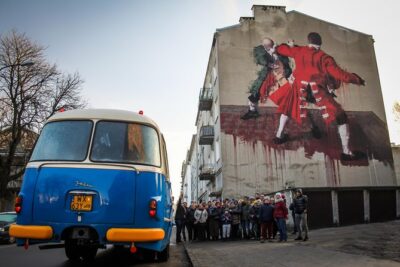 ★ 5.0Discover the Dark Side of Warsaw in Praga District by Retro BusFrom $42327 reviews
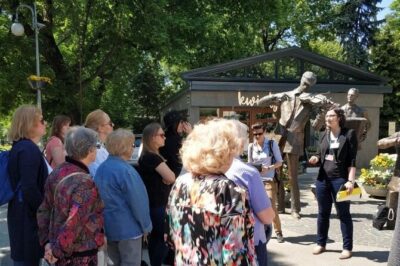 ★ 4.5Warsaw Praga Guided Historical Walking TourFrom $2821 reviews
 ★ 4.5Warsaw Praga — where modern, traditional, and bohemian meetFrom $3214 reviews
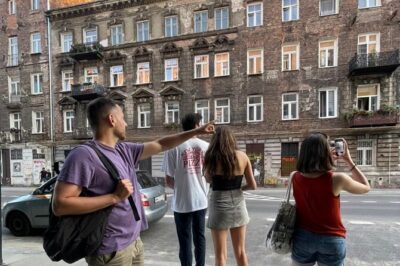 ★ 5.0Offbeat Warsaw: Explore the Edgy & Artsy Praga DistrictFrom $4211 reviews
 ★ 5.0Segway Tour Warsaw: Praga Tour – 2-Hours of Magic!From $8010 reviews
 ★ 5.0Praga District Tour with Vodka Museum and TastingFrom $815 reviews
Browse the lists this tour appears in