
Reviewed · VINTAGE CAR & RETRO FIAT TOURS
Warsaw Jewish Heritage Private Tour in Retro Fiat
A vintage Fiat makes history easier to face. This private Warsaw Jewish Heritage tour blends Nożyk’s Synagogue with the ghetto wall fragments, and it does it with hotel pickup, onboard snacks, and an old-school ride that keeps things human and focused. I also like how the pacing mixes driving and short walks, so you can absorb heavy history without feeling rushed.
The main catch is that it takes a moderate amount of walking, and on Saturdays the Synagogue and Cemetery are closed—so plan your day carefully if you’re visiting during the weekend.
In This Review
- Key highlights at a glance
- Why a retro Fiat 125p tour suits Warsaw’s Jewish heritage
- Getting oriented fast: pickup, retro car comforts, and onboard treats
- Nożyk’s Synagogue: the stop that changes the tone of the whole tour
- Ghetto wall remnants: seeing the boundaries that confined 400,000 people
- Muranów and the Jewish cemetery: from ghetto rubble to modern streets
- Ghetto Heroes Monument, plus the Museum of the History of Polish Jews
- Film locations for The Pianist: helpful, not gimmicky
- Time, walking, and how to plan your day in four hours
- Price and value: what $105 gets you beyond the car ride
- Should you book this Warsaw Jewish heritage tour?
Key highlights at a glance
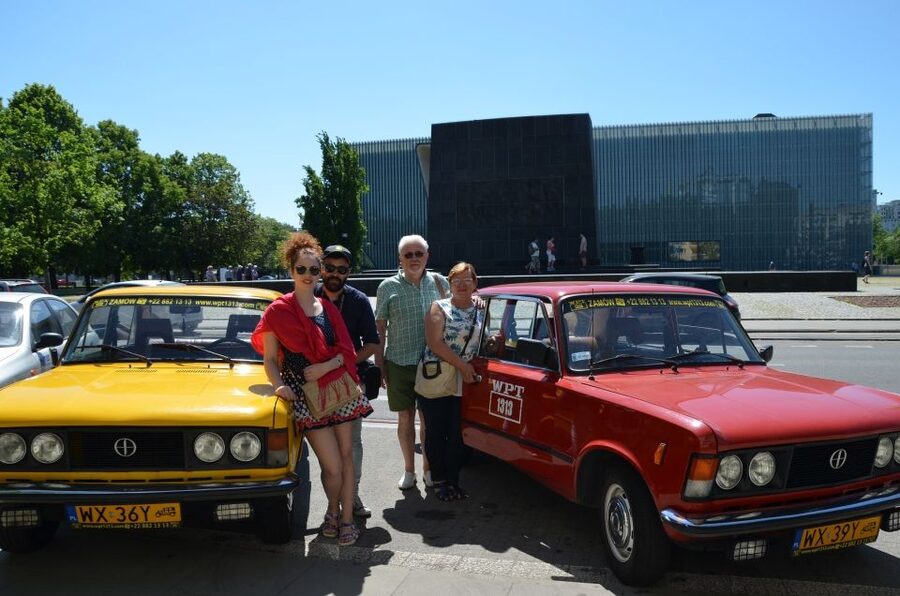
- Retro Fiat 125p ride through former ghetto territory, with a photo keepsake
- Nożyk’s Synagogue: still operating and the only one in Warsaw to survive WWII
- Remains of the Ghetto Wall: red-brick isolation built in 1940
- Grzybowski Square (Plac Grzybowski): once part of the ghetto, with context on what changed
- Muranów district walk: built on ghetto rubble, now with street art and modern buildings
- Ghetto Heroes Monument plus the Museum of the History of Polish Jews option
Why a retro Fiat 125p tour suits Warsaw’s Jewish heritage
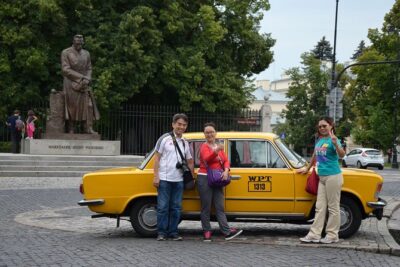
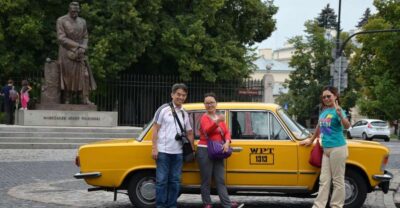
In Warsaw, it’s easy to see locations like the ghetto and Jewish landmarks as a checklist. This tour nudges you to see them as connected places—neighborhood by neighborhood, street by street—while you ride in a Fiat 125p that feels like it belongs to the late 20th century. The car isn’t just a cute prop. It changes the mood. You move through the city more slowly, and your guide can stop quickly to point out what matters.
I also like that this is a private group format. That matters for sites tied to WWII and personal loss, where people often need a little time to ask questions or sit with what they’re seeing. The tour is flexible too: if you want to add specific stops, you can ask your guide to tailor the route, within reason.
One more practical point: the history here is layered and sometimes hard to visualize. Being driven and walking in short chunks helps you connect the map in your head to real streets outside your window.
Further into Jewish Warsaw, the Ghetto and POLIN
- Warsaw: POLIN Museum of the History of Polish Jews Ticket★ 4.7 · 1,142 reviews
- Private Tour: Warsaw’s Jewish Heritage by Retro Fiat★ 5.0 · 208 reviews
- Warsaw: Ghetto, Jewish Cemetery & POLIN Museum Private Tour★ 4.8 · 132 reviews
Getting oriented fast: pickup, retro car comforts, and onboard treats
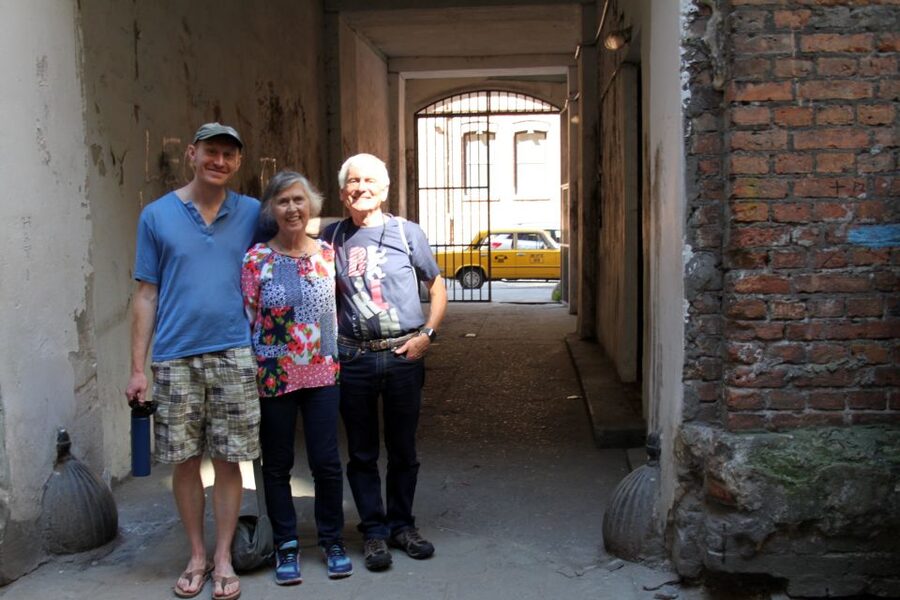
Your day starts with hotel pickup from a centrally located Warsaw hotel (or another centrally placed point). Then you board the 1980s Fiat 125p, and you’ll get snacks for the road—Polish sweets and a donut—plus a vodka shot on board. There’s also a souvenir photo you’ll receive after the tour.
That sounds small, but it helps more than you’d expect. When you’re touring solemn places, getting cold, hungry, or mentally scattered can take the edge off the experience. These basics keep you steady while your guide explains what you’re seeing.
It’s also worth knowing that the route can shift based on current traffic. That’s not a gimmick; it affects what you can realistically reach in four hours, and it keeps the tour from turning into a stressful sprint.
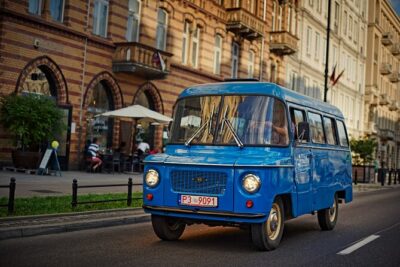
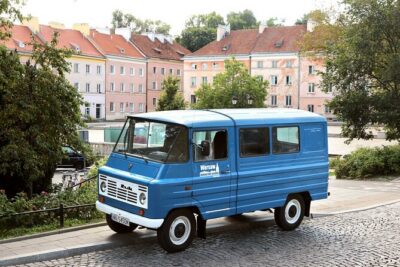
Finally, if your group is larger than four, you won’t be in the Fiat. The tour switches to a blue vintage minivan. Same idea, different vehicle—so you still get the vintage vibe.
Nożyk’s Synagogue: the stop that changes the tone of the whole tour
The centerpiece is Nożyk’s Synagogue, still operating today and the only synagogue in Warsaw to have survived WWII. Your guide brings you there as part of a larger story, but this is where that story becomes concrete: a living place of worship in a city where so many Jewish institutions were destroyed.
Your route typically passes Grzybowski Square (Plac Grzybowski) on the way. That’s helpful because it sets context—this area wasn’t always what you see now. Then you arrive at the synagogue and you can look around with your guide’s explanation in your ear.
One small logistics tip: entering synagogues can have its own rules and procedures. In past tours run by guides such as Martin and Konrad, there’s a strong theme of persistence and hands-on help getting into the synagogue when it’s possible. That matters when the details are tight and you want the visit to actually happen.
Just remember the big scheduling note: the synagogue is closed on Saturdays, so choose your day if you’re aiming to see it.
Ghetto wall remnants: seeing the boundaries that confined 400,000 people
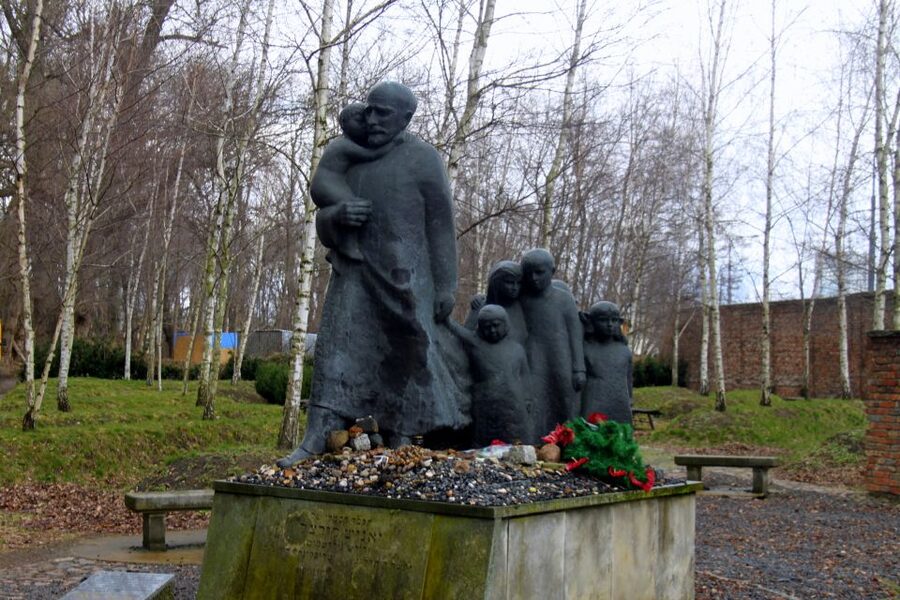
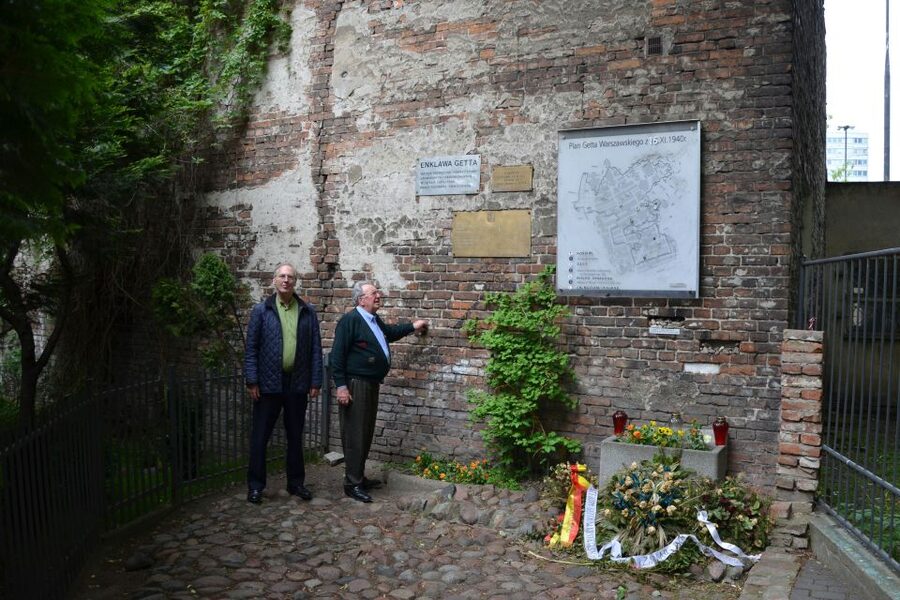
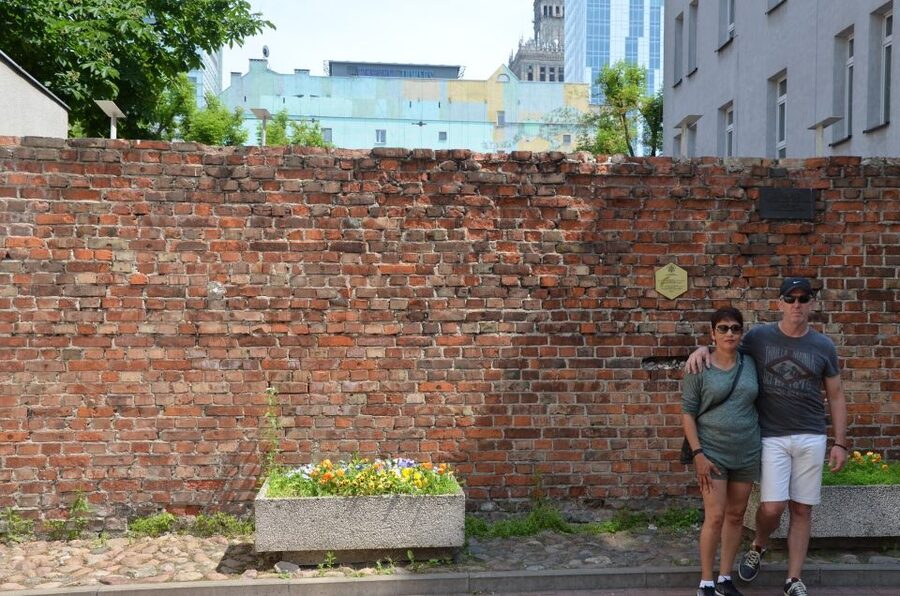
Next comes the Ghetto Wall remnants—the red-brick construction built in 1940 that effectively isolated more than 400,000 Jews from the rest of Warsaw. Seeing “remnants” can sound mild, but this is one of the most powerful parts of the tour because the wall’s purpose was brutal and specific: separation by design, not by accident.
Your guide points out what you can still recognize today and ties it back to the reality of daily life under Nazi occupation. It’s one thing to read that ghettos were sealed off. It’s another to stand near what’s left and understand how the physical boundary shaped everything—movement, access, and fear.
This is also where I think the private format pays off. You don’t need to fight the crowd for a moment of quiet attention. If you want to pause and ask how the wall related to nearby streets, you can. Short questions work well here.
If you’re sensitive to heavy topics, this stop can hit hard. For that reason, it’s smart to keep your pace calm—wear comfortable shoes and give yourself a little time to absorb rather than trying to power through.
Muranów and the Jewish cemetery: from ghetto rubble to modern streets
After the wall area, you’ll move toward the former Jewish district of Muranów, built on the rubble of the ghetto. Today, you’ll notice a mix of modern buildings and street art, and that contrast is exactly what your guide will help you interpret.
This part of Warsaw has a tricky feeling. It’s not a preserved museum district. It’s a neighborhood that rebuilt over itself, which can make the past feel harder to “see” if you don’t have interpretation. With a guide, those streets become legible again.
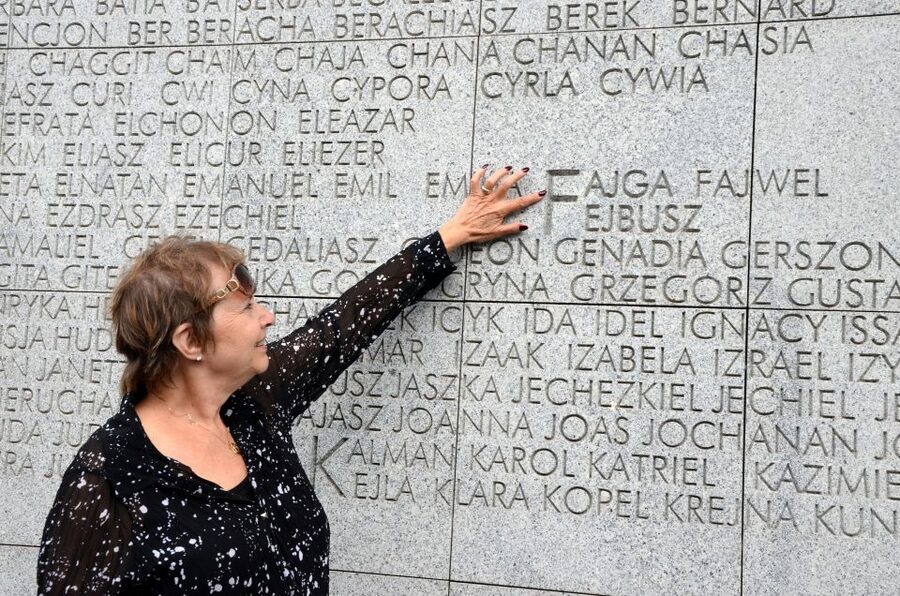
You’ll also stop near the Jewish Cemetery and take a walk around it to see thousands of graves. This is one of those moments where the quiet is part of the experience. You’re not just collecting sights—you’re learning how the community’s presence continues to matter through what remains.
Important: the cemetery is also closed on Saturdays, so plan around that. And because there’s walking involved, bring shoes that handle cold sidewalks and any uneven ground you might meet.
More of the city from the seat of a Retro Fiat


Ghetto Heroes Monument, plus the Museum of the History of Polish Jews
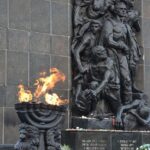
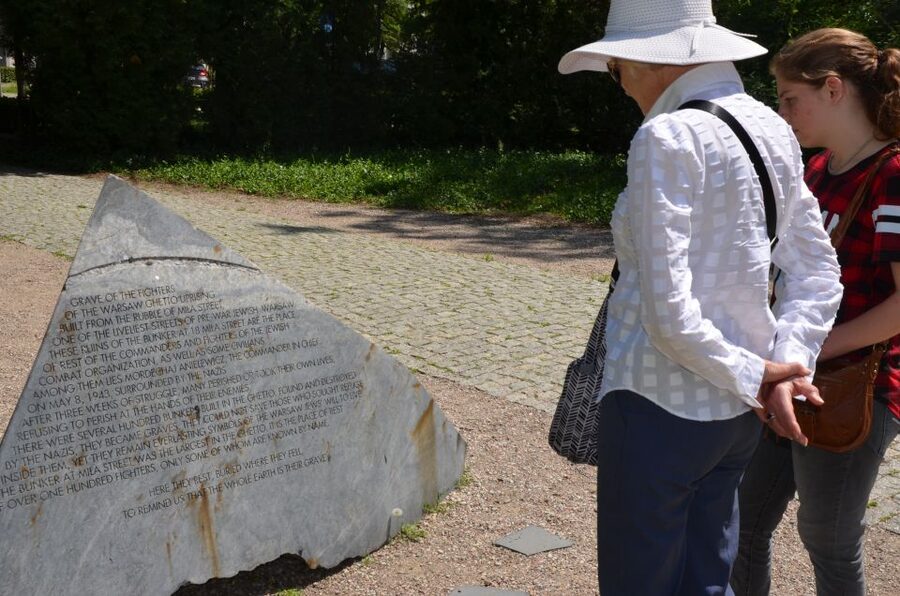
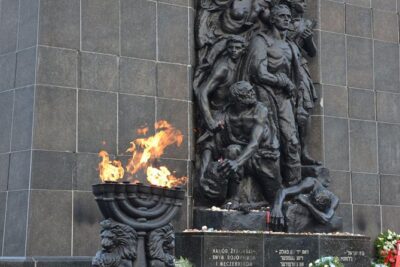
Then you’ll head to the Ghetto Heroes Monument, a powerful memorial you’ll see from the outside as part of the main route. Your guide will explain what it represents and how it fits into the wider effort to remember Polish Jews and the history of Warsaw under occupation.
If you want to go further, you can add the Museum of the History of Polish Jews nearby. It opened in 2013 and focuses on the history of Polish Jews through artifacts and imagery. Because this museum is an add-on (not required to finish the core tour), it’s perfect if you want a deeper, indoor follow-up after the street-level sites.
Even if you skip the museum, the monument stop still works. It gives you a place to shift from “what happened here” to “how remembrance continues,” which is often the emotional pivot people need.
If you do visit the museum, it helps to pace yourself. Your guide’s earlier explanations make the museum’s displays easier to understand, but you still may want time to take it slowly.
Film locations for The Pianist: helpful, not gimmicky
If you’re a film fan, you can ask your guide to include locations used in Roman Polanski’s Oscar-winning movie The Pianist, set in Holocaust-era Warsaw. You can also request stops around Praga-North (Praga-Północ), where some settings overlap with that broader city context.
This can go one of two ways on tours: either it becomes shallow fan service, or it helps you connect fiction to real geography. In a good tour, you get the second one. The key is how your guide connects what you see to actual WWII-era Warsaw, rather than treating it as movie trivia.
This is a great option if you want something extra but still anchored in history. You’re not swapping out the core Jewish heritage sites. You’re adding a layer of recognition that makes the city feel more navigable.
Time, walking, and how to plan your day in four hours
The tour is designed for four hours, mixing driving and walking. It’s not a long trek, but it is moderate walking. That means you should wear comfortable shoes even if the route looks short on paper.
Cold weather can also make a difference. In past experiences guided by people like Martin, the tour held up well even in winter conditions, with the schedule staying practical rather than turning into constant regrouping.
Also, keep your expectations realistic about what you’ll remember. Four hours can’t cover every street tied to the WWII ghetto. Instead, this tour gives you a focused arc: synagogue survival, wall boundaries, neighborhood rebuilding, cemetery remembrance, and memorial context.
If you have specific interests—synagogues, architecture remnants, cemetery sites, film settings—tell your guide early. They can adjust the route to match your priorities, and that personalization is one of the main reasons this format feels more satisfying than a basic sightseeing loop.
Price and value: what $105 gets you beyond the car ride
At $105 per person for a private four-hour tour, the value comes from three things that matter in Warsaw: access, interpretation, and time.
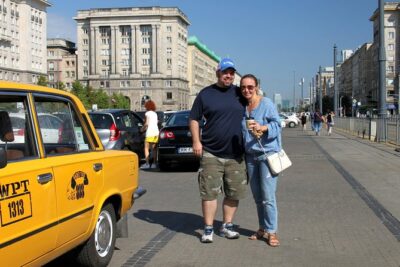
First, transport. You’re not just getting a taxi between scattered points. You’re getting hotel pickup and drop-off plus movement in the Fiat 125p (or a vintage minivan for larger groups). That saves energy and reduces friction, especially when you’re trying to hit multiple meaningful stops in a limited window.
Second, interpretation. The core sites here—Nożyk’s Synagogue, ghetto wall remnants, the Muranów area, and the Ghetto Heroes Monument—are more meaningful when you understand the why behind each location. A private guide lets you ask questions without feeling rushed.
Third, small comforts that keep you on track. Snacks, a vodka shot on board, and the souvenir photo add a little warmth to a heavy theme day. It’s not about partying; it’s about making sure your body stays functional while your mind takes in hard history.
Entrance fees aren’t included, and gratuity is optional. But the major sites and route logic are covered, so you’re not stuck figuring out logistics while you’re trying to focus on the story.
Should you book this Warsaw Jewish heritage tour?
If you want a private, narrative-focused tour of Warsaw’s Jewish WWII-era landmarks, this one is a strong pick. It’s especially good for people who want to see the main survivors and remnants—starting at Nożyk’s Synagogue, then moving to the ghetto wall fragments, and finishing with the Ghetto Heroes Monument and optional museum time.
Book it if:
- You like a tight four-hour plan with time to ask questions.
- You want a vintage-car experience that still feels respectful and practical.
- You’re visiting outside Saturday, so you can see both the synagogue and the cemetery.
Think twice (or confirm the plan) if:
- You’re very sensitive to walking and want minimal time on foot.
- Your trip dates fall on Saturday, since key locations are closed.
If your goal is to leave Warsaw with a clearer sense of where the ghetto lines were drawn—and what survived—this tour gives you the structure to make that stick.
More Tour Reviews in Warsaw
- Warsaw: Chopin Concert in the Old Town
★ 4.8 · 2,287 reviews - Warsaw: Traditional Galar Cruise on The Vistula River
★ 4.6 · 1,640 reviews - Warsaw: Old Town Highlights Walking Tour in English
★ 4.7 · 1,516 reviews - Warsaw Concert: Chopin – Painted by Candlelights with Wine
★ 4.8 · 1,442 reviews
More Days in a Retro Fiat
- Private Tour: Warsaw City Sightseeing by Retro Fiat
★ 5.0 · 562 reviews - Discover the Dark Side of Warsaw in Praga District by Retro Bus
★ 5.0 · 327 reviews - Private Tour: Warsaw’s Jewish Heritage by Retro Fiat
★ 5.0 · 208 reviews - Warsaw City Sightseeing in a Retro Bus
★ 5.0 · 196 reviews
More of Jewish Warsaw and POLIN
- Warsaw: POLIN Museum of the History of Polish Jews Ticket
★ 4.7 · 1,142 reviews - Warsaw: Jewish History Guided Walking Tour in English
★ 4.7 · 324 reviews - Private Tour: Warsaw’s Jewish Heritage by Retro Fiat
★ 5.0 · 208 reviews - Warsaw: Ghetto, Jewish Cemetery & POLIN Museum Private Tour
★ 4.8 · 132 reviews
Fresh on the site: newer Warsaw reviews

Vintage Car & Retro Fiat Tours: the other contenders.
 ★ 5.0Private Tour: Warsaw City Sightseeing by Retro FiatFrom $108562 reviews
 ★ 5.0Discover the Dark Side of Warsaw in Praga District by Retro BusFrom $42327 reviews
 ★ 5.0Private Tour: Warsaw’s Jewish Heritage by Retro FiatFrom $108208 reviews
 ★ 5.0Warsaw City Sightseeing in a Retro BusFrom $42196 reviews
 ★ 5.0Private Historical Tour of Warsaw by a Retro Fiat with PickupFrom $108190 reviews
 ★ 4.9Warsaw Must-Sees: 4-Hour Private Tour by Retro FiatFrom $105123 reviews
 ★ 5.0Private Tour: Warsaw’s Communist History by Retro FiatFrom $108115 reviews
 ★ 5.0Best of Warsaw – private tour by retro minibus with hotel pickupFrom $135111 reviews
Browse the lists this tour appears in