
Reviewed · JEWISH WARSAW, GHETTO & POLIN
Warsaw: Ghetto, Jewish Cemetery & POLIN Museum Private Tour
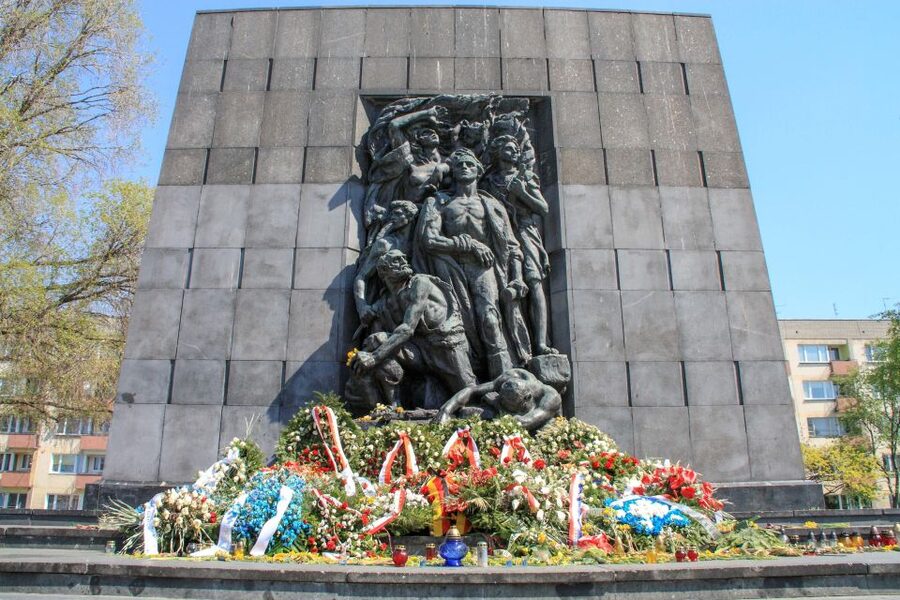
This walk hits hard, in the best way. The former Warsaw Ghetto is mapped out with boundary markers, monuments, and the kind of human stories that make WWII feel painfully real. I like that you get both street-level details and major landmarks like the Monument to the Ghetto Heroes and Umschlagplatz. One possible drawback is the subject matter is heavy, so it helps to mentally pace yourself instead of rushing to the next stop.
You’ll also like how the experience scales. The 2-hour option is focused on the ghetto’s key points, while the 3- and 5-hour versions add the old Jewish Cemetery in Muranów and, in the longest option, the POLIN Museum. I’m especially glad it’s a private tour with a licensed, 5-star guide, since guides can make the difference between dates and meaning.
In This Review
- Key things to look for in this tour
- Warsaw’s ghetto route: why this tour works
- Choosing between 2, 3, and 5 hours (and what you gain)
- The 2-hour option: ghetto landmarks only
- The 3-hour option: add the Old Jewish Cemetery in Muranów
- The 5-hour option: ghetto + cemetery + POLIN Museum
- Meeting point and logistics that matter in Warsaw
- From Field Cathedral to Umschlagplatz: the ghetto walking experience
- Boundary markers, heroes, and Mila 18: the story behind the stops
- The Warsaw Ghetto Uprising and the Ghetto Heroes memorial
- The ghetto boundary markers: how walls become policy
- Anielewicz Mound at Mila 18
- Muranów’s Old Jewish Cemetery: why it deserves more time
- POLIN Museum: using skip-the-line wisely
- Price and value: is $112 worth it?
- Guides, language, and how to get better explanations
- Practical tips for a smoother, better day
- Should you book this Warsaw Ghetto, Cemetery & POLIN Museum tour?
- FAQ
- What does the 2-hour Warsaw Ghetto tour include?
- Is entry to the Jewish Cemetery included?
- How does skip-the-line at POLIN Museum work?
- Where is the meeting point?
- Is pickup available from my hotel?
- What languages are available for the private guide?
Key things to look for in this tour
- Private, licensed guide: A professional who can explain what you’re seeing on the ground, not just read a script
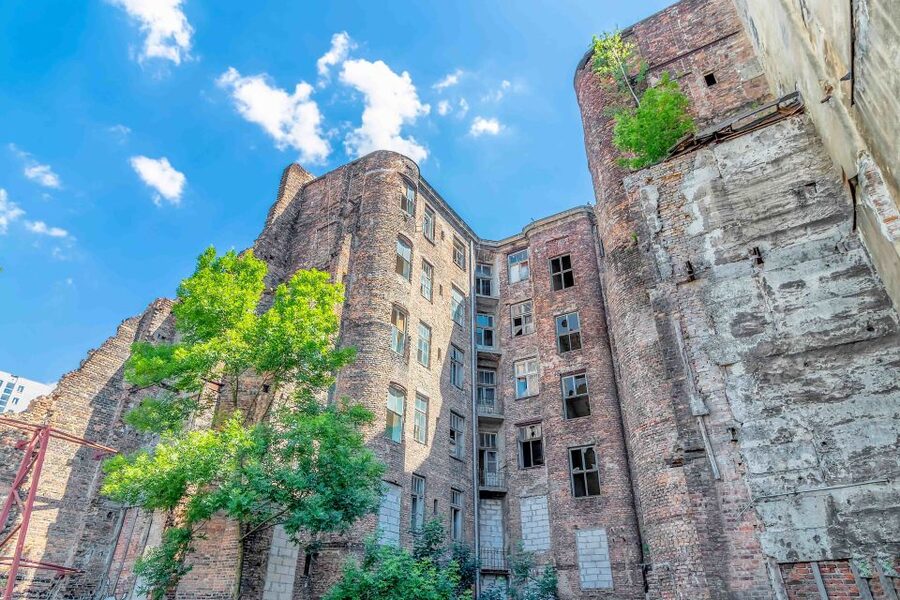
- Ghetto boundary markers: Real place-mapping that shows how captivity was engineered into city life
- Memorial stops with specific storylines: The Ghetto Uprising, the heroes, and Mila 18
- Old Jewish Cemetery in Muranów (1809): One of Europe’s largest resting places, with named and unknown victims
- POLIN Museum with skip-the-line tickets: Saves time at the ticket desk (not security checks)
Warsaw’s ghetto route: why this tour works
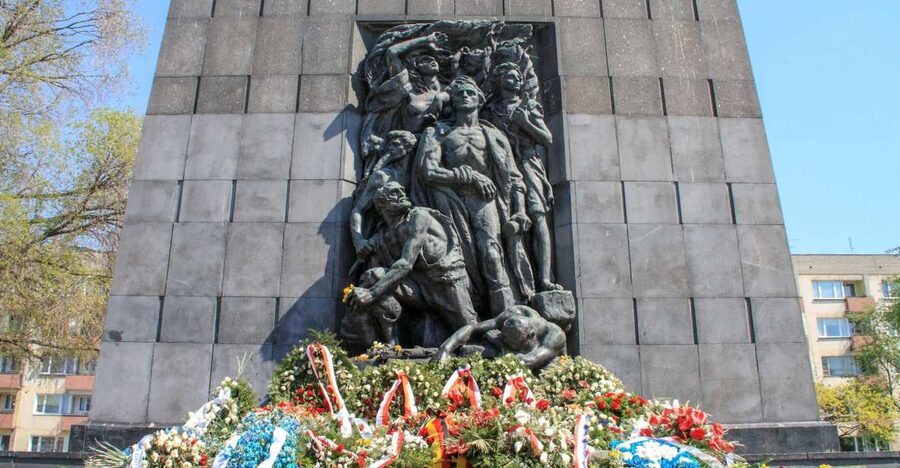
Warsaw’s Jewish history isn’t stuck in a single building. It’s out on the streets, in the shape of memorials, and in the places where buildings and neighborhoods used to be. This private tour guides you through that geography so the story doesn’t float in the air.
The tone is historical, but not academic. You’re not just learning what happened; you’re learning what it felt like—hunger, disease, death, and also resistance. That balance matters, because the Warsaw Ghetto was designed for destruction, and people still fought for dignity.
And because it’s private, your guide can react to your questions in real time. In particular, I’ve seen strong feedback about guides using photos and street layouts to show locations that no longer exist the way they once did. That’s a smart approach: Warsaw has changed, but you can still understand it.
Further into Jewish Warsaw, the Ghetto and POLIN
- Warsaw: POLIN Museum of the History of Polish Jews Ticket★ 4.7 · 1,142 reviews
- Private Tour: Warsaw’s Jewish Heritage by Retro Fiat★ 5.0 · 208 reviews
- Warsaw: Ghetto, Jewish Cemetery & POLIN Museum Private Tour★ 4.8 · 132 reviews
Choosing between 2, 3, and 5 hours (and what you gain)
This tour comes in three lengths, and each one has a clear payoff.
The 2-hour option: ghetto landmarks only
If you want the essentials, the 2-hour walking tour is the cleanest choice. You focus on the former ghetto area, the uprising memorials, the boundary markers, and you end at Umschlagplatz—the departure point for Jews transported to Treblinka.
Just note the tradeoff: tickets to the Jewish Cemetery and POLIN Museum are not included in the 2-hour option. So if you’re aiming for both, plan for a longer time slot.
The 3-hour option: add the Old Jewish Cemetery in Muranów
The 3-hour version adds a second emotional pillar to the day. You’ll visit the old Jewish Cemetery in Muranów, established in 1809, and described as one of the largest in Europe, with resting places for over 200,000 people.
What you gain here is continuity. You’re seeing the ghetto era through one lens, then shifting to a broader Jewish presence in Warsaw—leaders, cultural figures, activists, and the nameless victims of WWII.
The 5-hour option: ghetto + cemetery + POLIN Museum
The 5-hour option is for people who want context, not just highlights. It combines the ghetto walk, the Muranów cemetery visit, and entry to POLIN Museum.
This is also the only option that includes skip-the-line tickets to POLIN Museum. That can be a big time-saver, especially if you’re visiting during busy hours. One important detail: skip-the-line here means you skip the ticket office line, but you still go through the entrance and security checks.
More of Warsaw indoors: museums and exhibits




Meeting point and logistics that matter in Warsaw
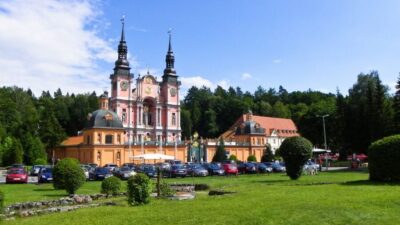
You meet your guide next to the anchor monument in front of the main entrance to Katedra Polowa Wojska Polskiego (Field Cathedral of the Polish Army), Długa 13/15, 00-238 Warsaw.
If you’re staying in or near the Old Town, there’s a pickup option—but it’s limited. Pickup is available only for accommodations in the Old Town, and it must be within 1.5 km of the meeting point area. If you’re elsewhere, you’ll make your own way to the meeting point.
Also, check your email the day before the tour. You’ll get important information that helps you show up prepared and avoid last-minute confusion.
From Field Cathedral to Umschlagplatz: the ghetto walking experience
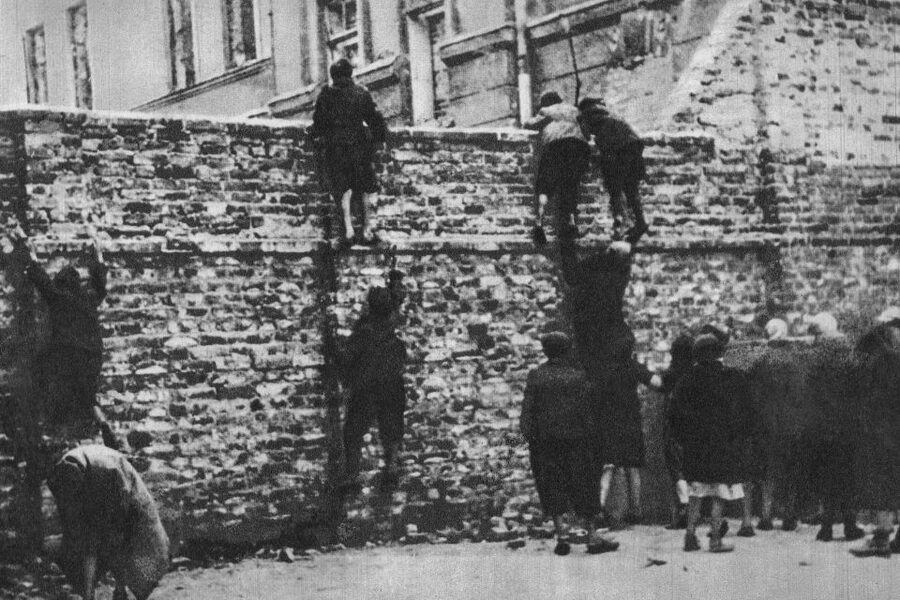
The walk is designed like a story with geography. You start near the Field Cathedral area and move through the former ghetto streets, guided by what’s still visible today.
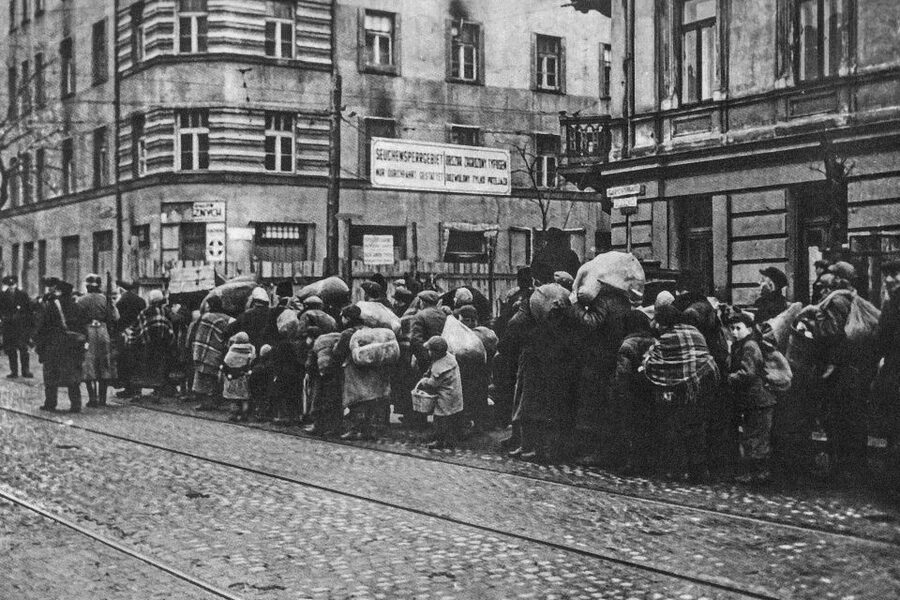
A key theme is scale. Over 400,000 Jews from Warsaw and nearby areas were imprisoned in this ghetto, often described as the largest in Europe. On a walk, that number can feel abstract until your guide connects it to real borders, monuments, and daily-life details.
As you go, your guide shows you traces of where the ghetto used to be, including boundary marker points. That’s one of the most effective ways to understand forced confinement. You’re not imagining the boundary. You’re standing near it.
The walk ends at Umschlagplatz Monument, marking the departure point for Jews transported to Treblinka Concentration Camp, where more than 300,000 Jewish people died. Ending here gives the story a grim clarity: the ghetto wasn’t an endpoint. It was a staging ground.
Boundary markers, heroes, and Mila 18: the story behind the stops
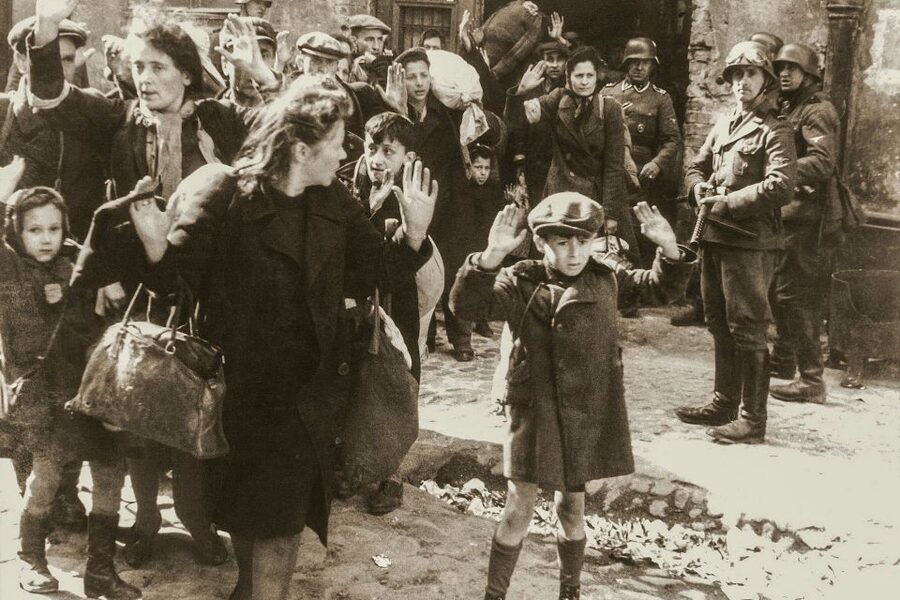
What I like most about this itinerary is that it doesn’t treat monuments as decoration. Each stop is tied to a chapter of the war’s Jewish experience.
The Warsaw Ghetto Uprising and the Ghetto Heroes memorial
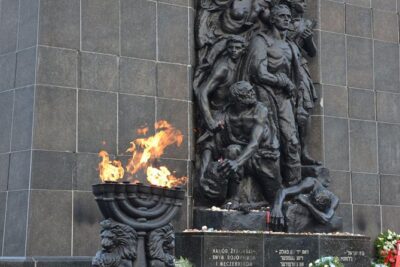
You’ll learn about the Warsaw Ghetto Uprising and see the Monument to the Ghetto Heroes. The uprising is one of the most important moments in this history, and the guide’s job is to explain it without turning it into myth.
Think of this stop as the moment where the story changes from persecution to resistance. Hunger and violence shaped daily life, but the uprising shows what happened when people refused to accept total annihilation.
The ghetto boundary markers: how walls become policy
Your guide will point out traces of the ghetto boundary markers. Even if you only catch fragments today, those markers explain how Nazi control was physically enforced.
For me, standing near markers like this is the lesson: the ghetto wasn’t just a location. It was a system. And systems leave traces.
Anielewicz Mound at Mila 18
Another highlight is the Anielewicz Mound at Mila 18, described as a hidden shelter of a Jewish resistance group. This is exactly the kind of detail that makes the tour feel grounded. You’re not only learning about events; you’re learning about hiding, planning, and survival under extreme danger.
This is also where a good guide really shines, especially if they can answer your questions and connect the place to the people who used it. Strong language skills help too—some guides get praised for clear explanations and the ability to respond without losing accuracy.
Muranów’s Old Jewish Cemetery: why it deserves more time
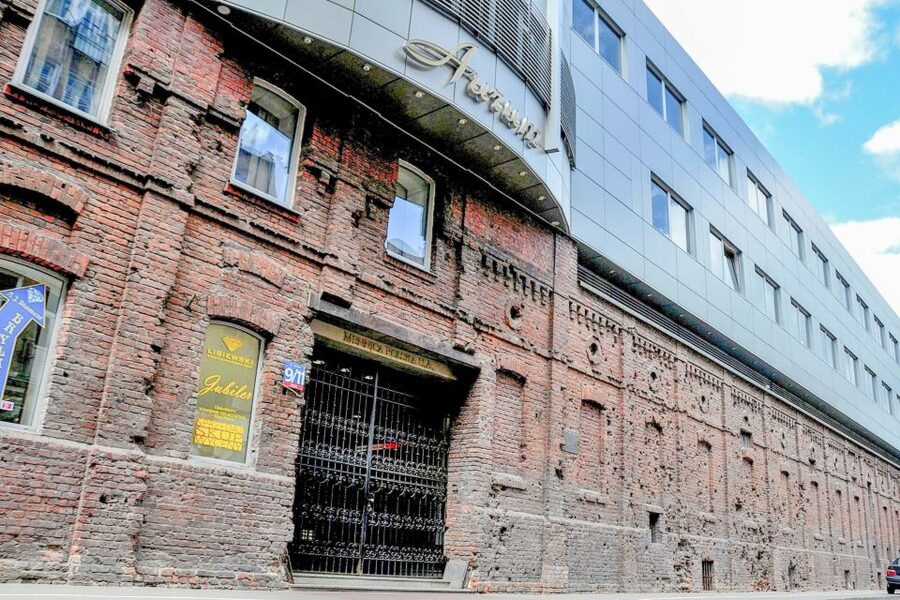
If the ghetto walk is about WWII’s captivity and resistance, the Old Jewish Cemetery in Muranów shifts the frame. It’s a place where Jewish life stretches beyond one catastrophe.
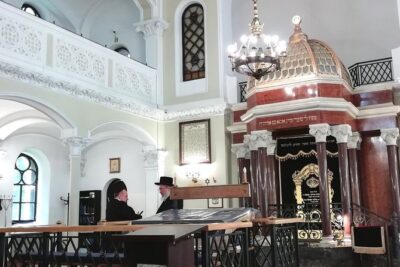
The cemetery was established in 1809 and is one of Europe’s largest. You’ll learn it contains the resting place of more than 200,000 people. That scale can feel overwhelming until your guide helps you see it as a mix of identities and roles: spiritual leaders, political activists, creators of Jewish culture, and thousands of nameless victims of WWII.
One practical point: the cemetery is outside the city center, so the longer options include public transport tickets to help you get there without an unnecessary long walk. That matters because you’ll arrive with your energy intact, not already drained.
Expect this portion to be quieter. You’ll likely feel it. That’s part of the point: this stop changes the emotional tempo of the day.
POLIN Museum: using skip-the-line wisely
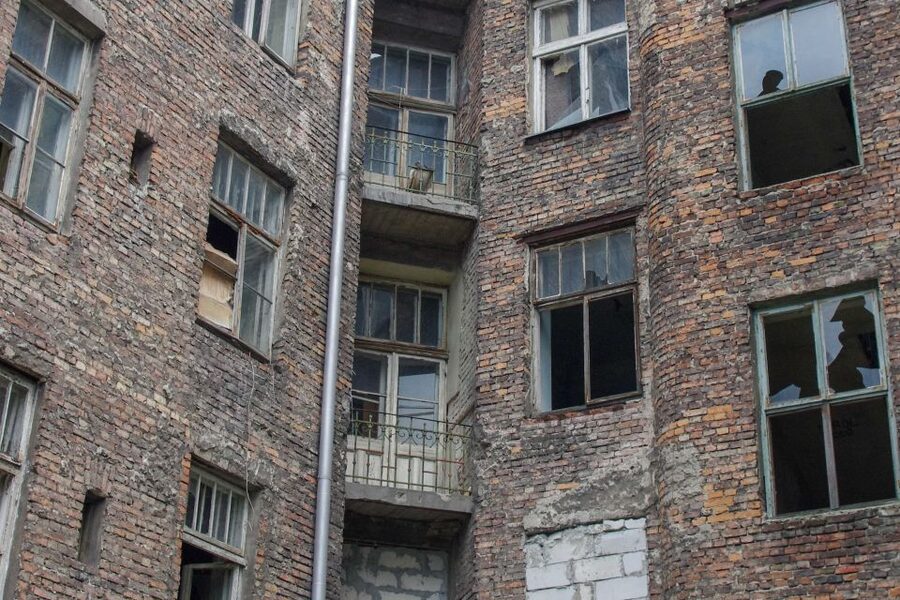
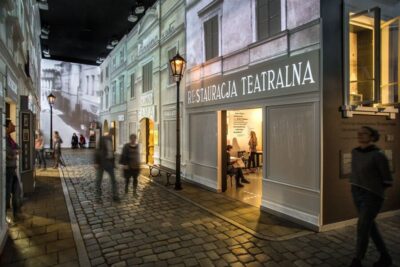
The POLIN Museum stop is the context builder. The modern design helps you move through the history of Polish Jews before, during, and after the war, with themes that connect culture, persecution, and survival.
If you choose the 5-hour tour, you get skip-the-line tickets for the POLIN Museum ticket office. The fine print is important: you still face entrance and security checks. So the time you save is mainly the ticket line, not the entire entry process.
Admission included with this option covers the main exhibition, an ongoing temporary exhibition, and the Heritage Gallery. That’s a solid range if you want more than a quick hit.
Also, there’s a realistic risk here: it’s the kind of museum where time can disappear. People who choose this tour often end up spending more time inside than they planned, because the exhibits are structured for learning rather than just facts. If you’re the type who likes slow reading and detail, allow for extra minutes.
Price and value: is $112 worth it?
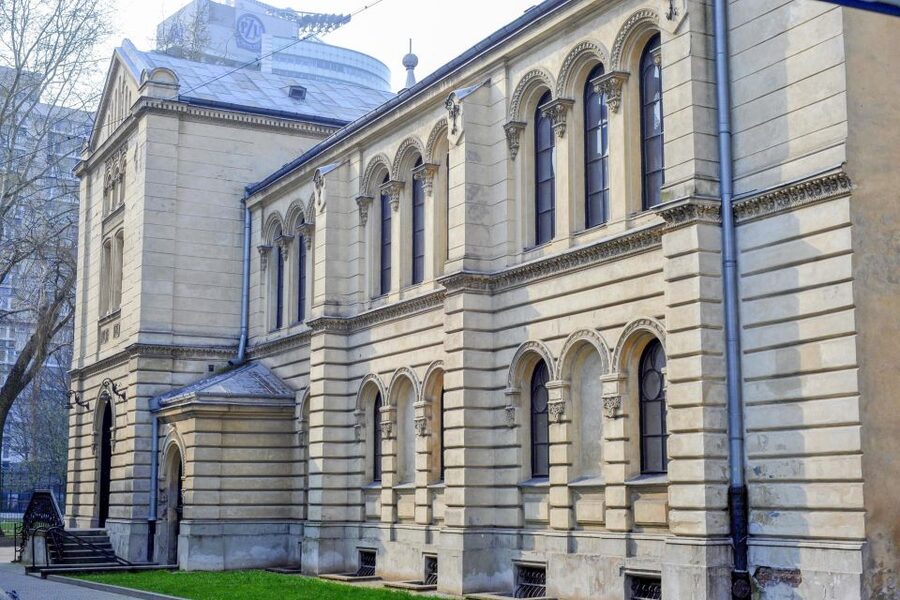
At $112 per person, the value depends on what you’re trying to accomplish.
A private guide is where you feel your money. In a subject like the Warsaw Ghetto, a skilled guide helps you connect the geography to the human stories. The tour isn’t just walking between monuments. It’s guided interpretation of what the city used to be and what survived.
Here’s the value logic I’d use:
- If you only want the core ghetto story and a few major memorials, the 2-hour option can be cost-effective because it’s focused.
- If you also want the Muranów cemetery component, the 3-hour option gives you the “before and beyond” context that the ghetto walk alone can’t provide.
- If you want the strongest context package, the 5-hour option is likely the best value because it bundles the ghetto route, cemetery visit, and POLIN Museum entry with skip-the-line tickets.
The biggest mismatch is when your real priority is POLIN Museum depth. If that’s you, don’t undershoot the time. The 5-hour option is built for that.
Guides, language, and how to get better explanations
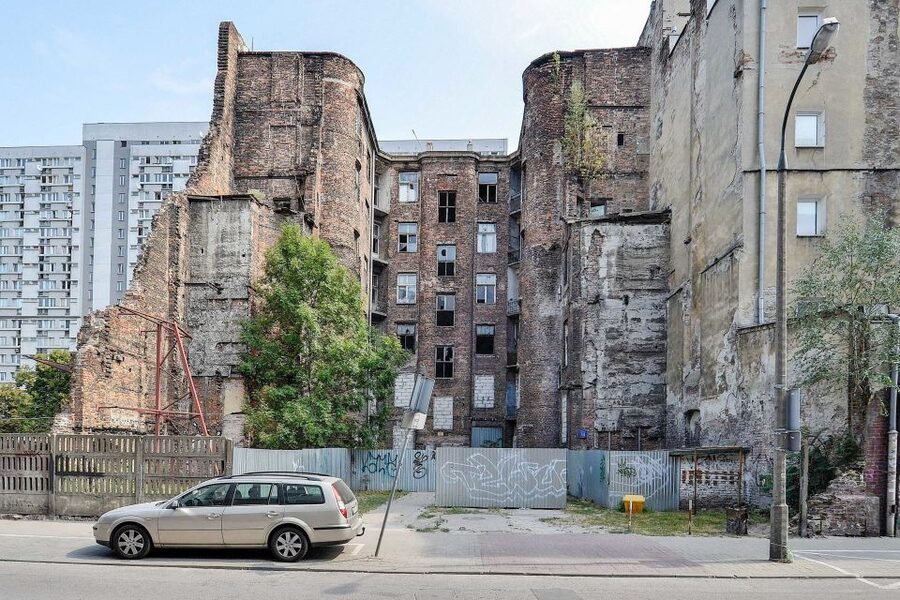
This is a private group tour with a 5-star licensed guide fluent in your chosen language. Options include Spanish, English, French, German, Italian, Polish, and Russian.
Language matters here because you’re dealing with careful wording. You want the guide’s explanations to be clear and accurate, not simplified for speed. Feedback on guides has highlighted strong language skills—one name that stands out in this context is Iwona, praised for excellent German and for making explanations easy to follow.
Another trait you want from a guide in this kind of tour: flexibility. When you ask questions or want clarification, your guide should be able to respond while keeping the story straight. Good tours make room for that.
Practical tips for a smoother, better day
The content is intense, so treat this like a two-part experience: learning, then letting it land.
- Bring a small water bottle and wear shoes you can stand in. Walking is central to the ghetto route, and you may still be on your feet through the final memorial.
- Dress for the weather. You’re outside for much of the ghetto walk, and Warsaw can shift quickly.
- If POLIN Museum is a priority, eat before you go. It helps you avoid feeling rushed once inside.
- Take breaks inside the museum. If you feel your brain speeding up, slow down. Reading and reflection are part of what you’re paying for.
One more tip: look for the guide’s use of photos or historical overlays if they offer it. When places have changed, that visual scaffolding helps you picture the former ghetto without guessing.
Should you book this Warsaw Ghetto, Cemetery & POLIN Museum tour?
Book it if you want a guided, private way to understand Warsaw’s WWII Jewish history with both street-level landmarks and institutional context. The mix of ghetto boundary traces, uprising memorials, the Mila 18 story, and then the Muranów cemetery gives you a fuller picture than any single stop can.
Skip booking—or choose a shorter format—if your goal is only a quick overview. In that case, you might feel the 2-hour option is enough. But if POLIN Museum and the cemetery matter to you, commit to the 3- or 5-hour options so you don’t leave with the sense that you underpaid for what you wanted to learn.
If you’re sensitive to difficult history, just go in with your pacing plan: don’t stack this with too much else that day. You’ll get more from it when your attention has room to stay with the story.
FAQ
What does the 2-hour Warsaw Ghetto tour include?
The 2-hour option is a private walking tour focused on the former Warsaw Ghetto. You’ll see key memorials and traces like the ghetto boundary markers, learn about the Warsaw Ghetto Uprising, visit the Anielewicz Mound at Mila 18, and end at the Umschlagplatz Monument. Tickets for the Jewish Cemetery and POLIN Museum are not included in this option.
Is entry to the Jewish Cemetery included?
Entry to the Jewish Cemetery with the public transport ticket is included for the 3-hour and 5-hour options. In the 2-hour option, cemetery entry is not included.
How does skip-the-line at POLIN Museum work?
The 5-hour option includes skip-the-line tickets for POLIN Museum. You skip the line at the ticket office, but you still need to pass entrance and security checks. Admission covers the main exhibition, the ongoing temporary exhibition, and the Heritage Gallery.
Where is the meeting point?
Meet your guide next to the anchor monument in front of the main entrance to Katedra Polowa Wojska Polskiego (Field Cathedral of the Polish Army), Długa 13/15, 00-238 Warsaw.
Is pickup available from my hotel?
Pickup is available only for accommodations in the Old Town, and your address needs to be within 1.5 km of the designated meeting point area. If you’re outside that zone, you’ll need to get to the meeting point yourself.
What languages are available for the private guide?
The live private guide is available in Spanish, English, French, German, Italian, Polish, and Russian.
More Tours in Warsaw
- Warsaw: Old Town Highlights Walking Tour in English
★ 4.7 · 1,516 reviews - Warsaw: City Sightseeing Hop-On Hop-Off Bus Tour
★ 3.6 · 1,415 reviews - Warsaw: Polish Vodka Museum Tour with Tasting
★ 4.6 · 788 reviews - 3-Hour Guided Cycling Tour of Warsaw
★ 4.9 · 624 reviews
More Tour Reviews in Warsaw
- Warsaw: Chopin Concert in the Old Town
★ 4.8 · 2,287 reviews - Warsaw: Traditional Galar Cruise on The Vistula River
★ 4.6 · 1,640 reviews - Warsaw: Old Town Highlights Walking Tour in English
★ 4.7 · 1,516 reviews - Warsaw Concert: Chopin – Painted by Candlelights with Wine
★ 4.8 · 1,442 reviews
More of Jewish Warsaw and POLIN
- Warsaw: POLIN Museum of the History of Polish Jews Ticket
★ 4.7 · 1,142 reviews - Warsaw: Jewish History Guided Walking Tour in English
★ 4.7 · 324 reviews - Private Tour: Warsaw’s Jewish Heritage by Retro Fiat
★ 5.0 · 208 reviews - Warsaw: Jewish Heritage & Holocaust Walking Tour
★ 4.7 · 119 reviews
Fresh on the site: newer Warsaw reviews



Jewish Warsaw, Ghetto & POLIN: the other contenders.
 ★ 4.7POLIN Museum of the History of Polish Jews TicketFrom $121,142 reviews
 ★ 4.7Jewish History Guided Walking Tour in EnglishFrom $26324 reviews
 ★ 5.0Private Tour: Warsaw’s Jewish Heritage by Retro FiatFrom $108208 reviews
 ★ 5.0Tour of the Warsaw GhettoFrom $102119 reviews
 ★ 4.7Jewish Heritage & Holocaust Walking TourFrom $20119 reviews
 ★ 5.0Historical Walking Tour of Jewish WarsawFrom $2868 reviews
 ★ 4.9Jewish Heritage 4-Hour Private TourFrom $4226 reviews
 ★ 4.92-Hour Tour of Daily Life in the Ghetto WarsawFrom $7626 reviews
Browse the lists this tour appears in