
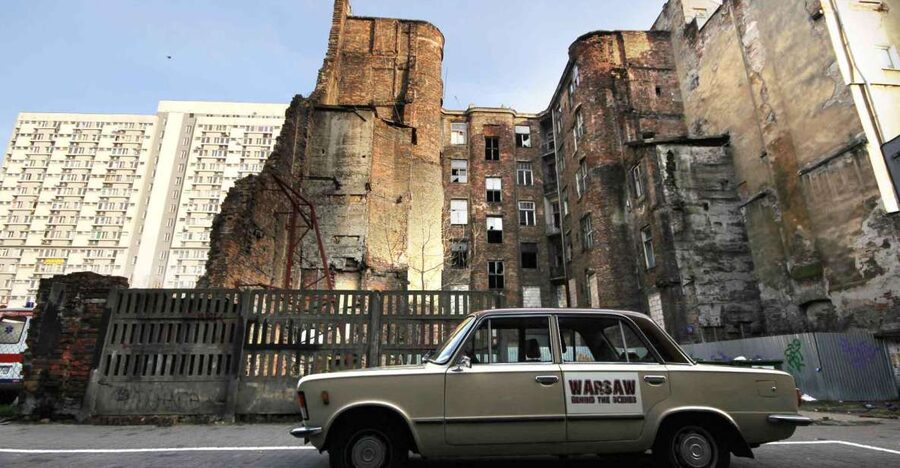
Reviewed · VINTAGE CAR & RETRO FIAT TOURS
Warsaw: WWII Private Tour by Retro Minibus with Hotel Pickup
WWII in Warsaw hits different when you’re moving block by block. This private tour frames the occupation from the first German invasion to the Soviet takeover, then focuses on what that meant for real people—especially Warsaw’s Jewish community. I love the way the guide uses archival photographs to compare past and present, and I like the emotional honesty of seeing memorials and bullet-marked buildings in the places they happened; the only real drawback is that it’s heavy material, and it includes some walking in historic areas.
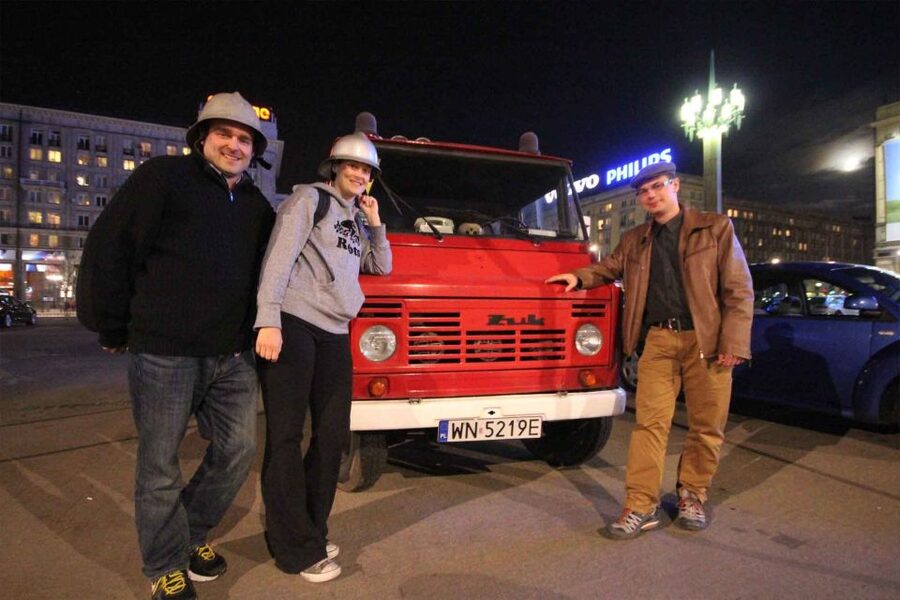
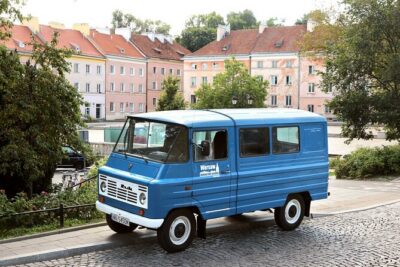
You’ll ride in a retro communist Żuk minibus and cover more ground than a foot-only route, with short walks at each stop. In the past, guides such as Konrad, Lucas, and Adam have led the story with humor and detail—useful for staying engaged during tough history. If you’re traveling with a lot of luggage or looking for a very light, casual outing, you’ll want to rethink it, since the tour limits bags and requires comfortable shoes.
In This Review
- Key Points I’d Prioritize Before You Go
- Warsaw WWII Private Tour: What Makes This One Different
- The Retro Żuk Minibus and the Hotel Pickup Advantage
- Pre-1939 Setup: The Two Occupations That Rewrote Daily Life
- The Jewish Ghetto: Wall Fragments, Waliców Tenement Ruins, and Chłodna Street
- Muranów District on Wartime Rubble: Ghetto Heroes and POLIN’s Memory Zone
- Soviet Crimes in Warsaw: Deportations, Katyń, and the Memory of Murder
- The Warsaw Uprising of 1944: The Last Bid for Independence
- Archival Photographs: Then-and-Now Comparisons That Stick
- Price and Value: Is $165 for 3 Hours Worth It?
- Logistics That Matter: Comfort, Clothing, and What You Can Bring
- Who This Tour Fits Best (and Who Might Want Something Else)
- Should You Book It?
- FAQ
- What is the duration of the Warsaw WWII private tour?
- Is hotel pickup included?
- How long is walking during the tour?
- What language is the tour guide?
- What vehicle do you use?
- Are air-conditioning and seat belts available?
- What should I bring, and what’s not allowed?
- Is the tour suitable for children?
Key Points I’d Prioritize Before You Go
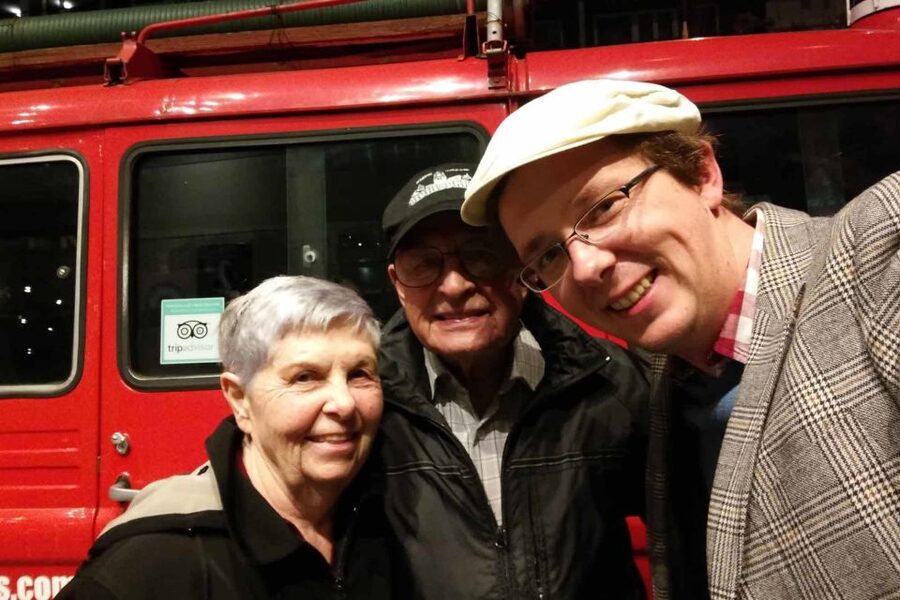
- Retro Żuk minibus with hotel pickup: You start closer to your hotel and ride in a vintage vehicle that fits the theme.
- Ghetto history shown through real fragments: You’ll see preserved remnants tied to the Warsaw Ghetto, not just explanations.
- Wounds in the built environment: Ruined tenements and bullet-scarred sites make the story physical.
- Two occupations, two kinds of terror: German occupation is paired with Soviet repression, including Siberian deportations and Katyń.
- Warsaw Uprising as the final chapter: The route ends with the city’s last bid for independence before Soviet control.
- Archival photos for instant perspective: You’ll compare then-and-now right on the street.
Warsaw WWII Private Tour: What Makes This One Different
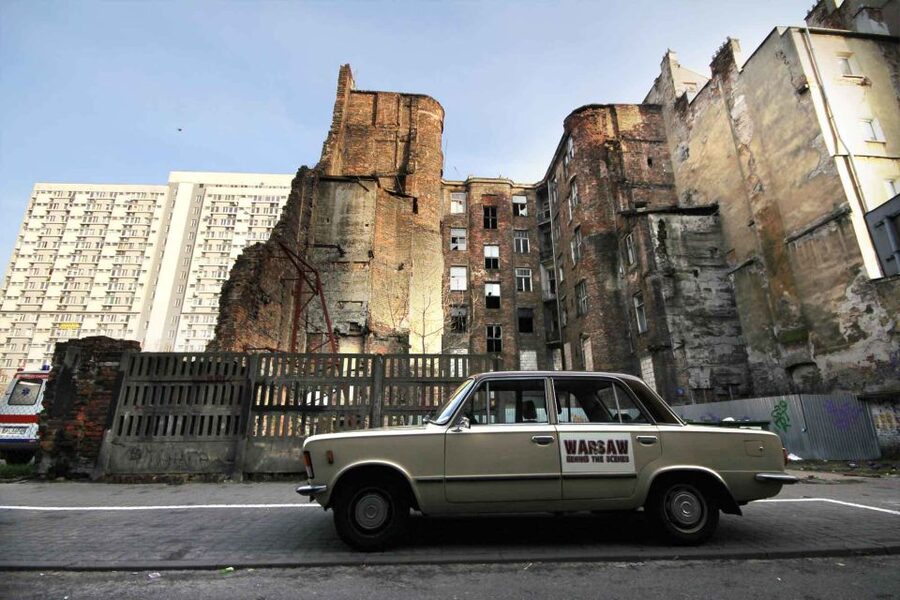
Warsaw’s WWII story is everywhere, but it’s easy to skim it as a list of landmarks. What I appreciate here is that the tour builds understanding in layers: first the shifting political situation before 1939, then the German invasion, and then the Soviet occupation of eastern territories. That matters because it explains why Poland’s suffering wasn’t only one chapter—it was forced into multiple regimes, each with its own methods.
I also like how the pacing supports the weight of the subject. The tour stays mostly in the city, using a retro minibus for movement and short walks for impact. That keeps it manageable for most visitors, while still putting you in the right spots for the memorials, preserved ruins, and the places tied to key wartime events.
One note: the topic is emotionally intense—ghetto imprisonment, uprisings, mass deportations, and massacres. If you want WWII as a quick history hit, this may feel too serious.
More of Warsaw in 1944 and the war years
- World War 2 in Warsaw walking tour in English★ 4.7 · 237 reviews
- Warsaw: Warsaw Historical Group Tour with Pickup & Drop-Off★ 4.6 · 233 reviews
- Warsaw for WWII Buffs – private tour with hotel pickup★ 5.0 · 166 reviews
The Retro Żuk Minibus and the Hotel Pickup Advantage
This tour includes pickup and drop-off within a 3 km radius of the city center, and the transfer time counts as part of the 3 hours. That’s a real detail because it changes how you plan your day. If your hotel is farther inside that 3 km zone, you might spend more time in transit before you start walking.
That said, it’s often worth it. You avoid the hassle of figuring out transport with time pressure, and you get a smooth start. The minibus also helps you cover key districts that don’t sit neatly next to each other—especially when your route connects ghetto-related sites with remembrance areas and then moves toward the broader WWII arc.
A practical point for comfort: these vintage vehicles are not consistently air-conditioned, and some historic minibuses may not have seat belts (this is permitted for historic vehicles). Heating is available in winter. So I’d plan on layering for colder months and bring a light outer layer year-round if you get chilly in vehicles.
Pre-1939 Setup: The Two Occupations That Rewrote Daily Life
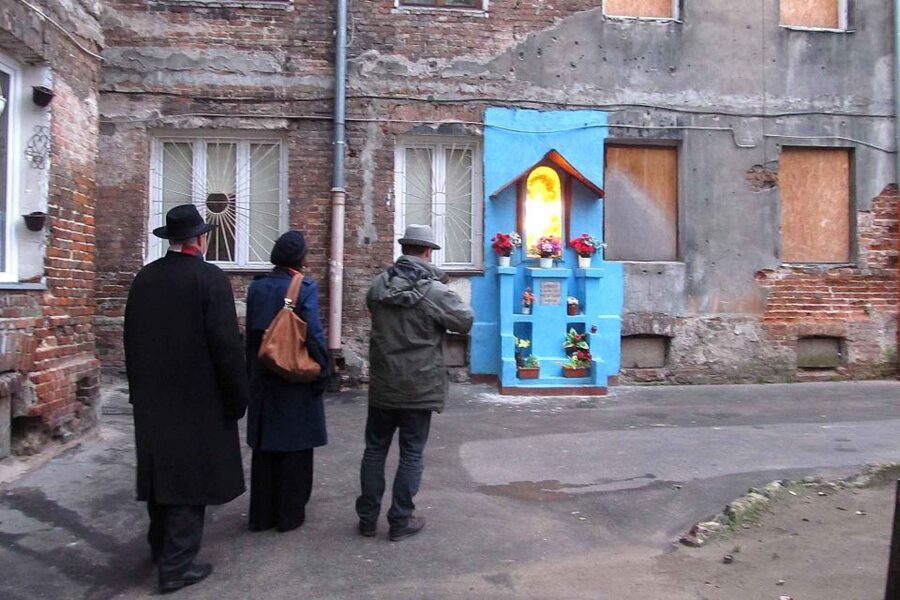
The tour begins with context you’ll appreciate if you’ve ever wondered why Poland seemed to get squeezed from multiple directions. The guide walks through the international situation leading up to 1939, then explains how the German invasion changed life quickly and violently. At the same time, the Soviet occupation of eastern territories is covered so you don’t get a one-sided timeline.
This framing is valuable because it connects history to choices and consequences. When you understand that two powers were imposing control, it becomes easier to see how resistance formed, why people were targeted, and why survival often meant navigating shifting danger.
You also get a clearer sense of how daily life in Warsaw changed—what people had to endure and why the city developed one of Europe’s most extensive resistance movements.
The Jewish Ghetto: Wall Fragments, Waliców Tenement Ruins, and Chłodna Street
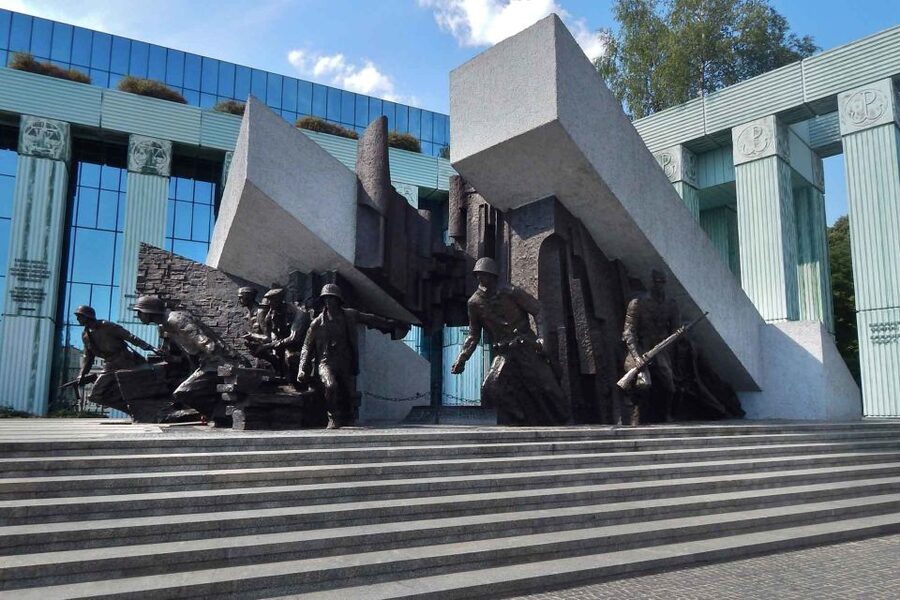
The emotional center of the tour is the tragedy of Warsaw’s Jewish population. Before the war, the city’s Jewish community was around 300,000 people. In 1940, Nazi authorities created the Warsaw Ghetto and imprisoned hundreds of thousands in inhumane conditions. The tour doesn’t treat this as abstract. You’ll visit a preserved fragment of the former Ghetto Wall, which is a startling thing to stand near because it’s a piece of the physical barrier itself.
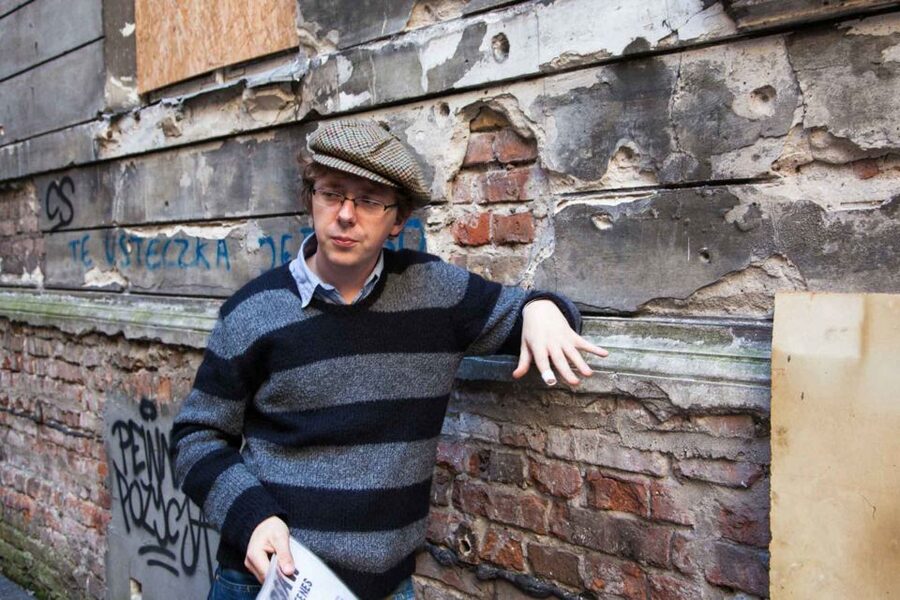
Next is Waliców Street, where you’ll see one of the last ruined tenement houses left intentionally unrestored. That choice—leaving it damaged rather than fixing it—changes the experience. You’re not looking at a reconstruction. You’re seeing the kind of destruction that people had to live through, and that the city refused to sanitize.
Then comes the wooden ghetto bridge over Chłodna Street, built high above street traffic to connect the sealed ghetto sections. This is one of those details that’s easy to miss in standard sightseeing. The bridge wasn’t just infrastructure; it was part of how the ghetto was controlled and separated while keeping movement inside the system.
If you’re the kind of traveler who likes learning history in context, this segment delivers. You’ll also be helped by the guide’s storytelling and the rhythm of moving from one “evidence point” to the next.
Muranów District on Wartime Rubble: Ghetto Heroes and POLIN’s Memory Zone
After the ghetto sites, the tour shifts into Muranów, a district constructed entirely on wartime rubble. Thinking about that for a moment explains the tone of the area. It’s not just a neighborhood; it’s a rebuild after catastrophe, where the ground itself reflects the scale of destruction.
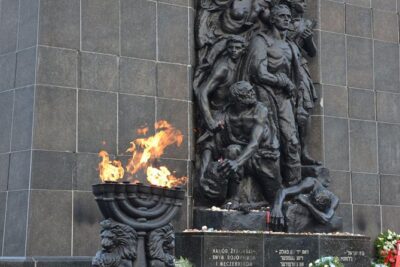
You’ll visit the area around the Monument to the Ghetto Heroes and the vicinity of the POLIN Museum of the History of Polish Jews. The museum area is near the site of the first armed clashes of the 1943 Ghetto Uprising, so it anchors the story in a specific moment of resistance rather than only in suffering.
Today, this part of Warsaw functions as a place of remembrance and dialogue. That means you’ll likely notice a calmer, reflective atmosphere compared with the shock of wall fragments and ruined buildings. Both moods are part of the point: the tour doesn’t only show what happened; it shows how the city carries those memories.
More of the city from the seat of a Retro Fiat


Soviet Crimes in Warsaw: Deportations, Katyń, and the Memory of Murder
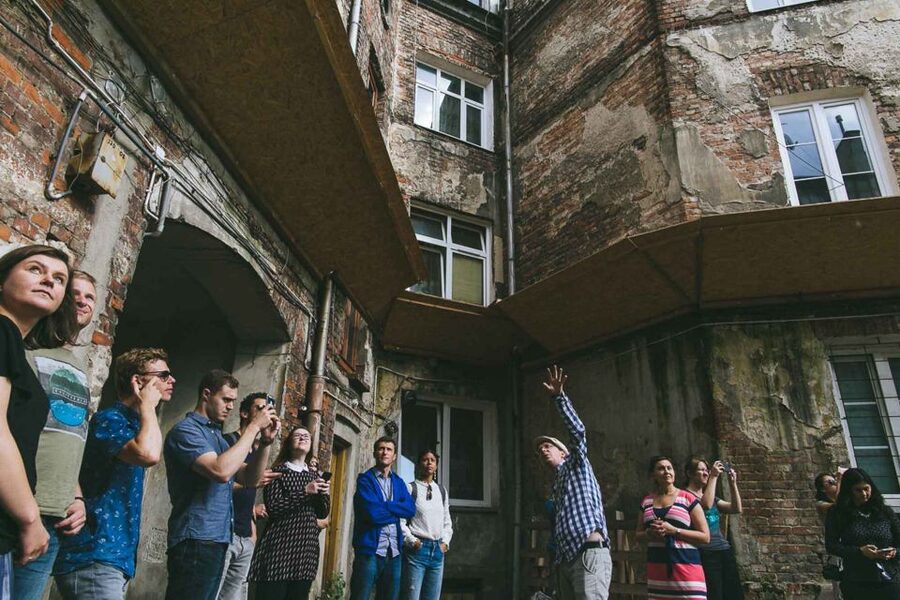
A key strength here is that it doesn’t stop at Nazi occupation. It also covers Soviet crimes against Polish citizens, including mass deportations to Siberia and the Katyń massacres. You’ll see this commemorated at the Monument to the Fallen and Murdered in the East.
This is where the tour’s earlier context pays off. When you’ve already been taught that Warsaw’s fate was shaped by multiple powers, the Soviet chapter doesn’t feel like a sudden detour. It completes the full picture of how Poles were targeted across different regimes.
One practical tip: be ready to slow down. This part of the route is meant for reflection. If you’re taking photos, consider doing it respectfully and with attention to what the memorials represent rather than treating them like a quick stop.
The Warsaw Uprising of 1944: The Last Bid for Independence
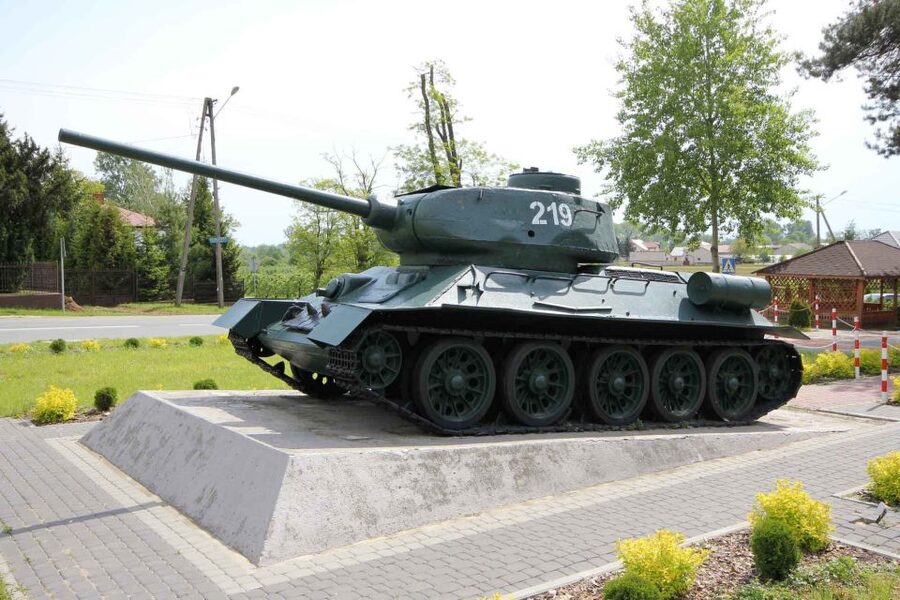
The final chapter centers on the Warsaw Uprising of 1944—often described as the city’s last attempt to regain independence before the arrival of the Red Army. Here, you’ll learn how the uprising unfolded and what happened when it was defeated.
Then the tour moves to one of the most painful facts of the period: after the uprising, Nazi forces deliberately destroyed most of Warsaw. Seeing destruction memorialized in the spaces where it happened changes the story from textbook tragedy into lived reality.
Finally, you’ll cover what happened when Soviet forces entered the ruins in January 1945, beginning a new political era. It’s a hard ending, but it helps you connect WWII’s end to what Poland had to endure next—because the war’s aftermath became its own kind of control.
Archival Photographs: Then-and-Now Comparisons That Stick
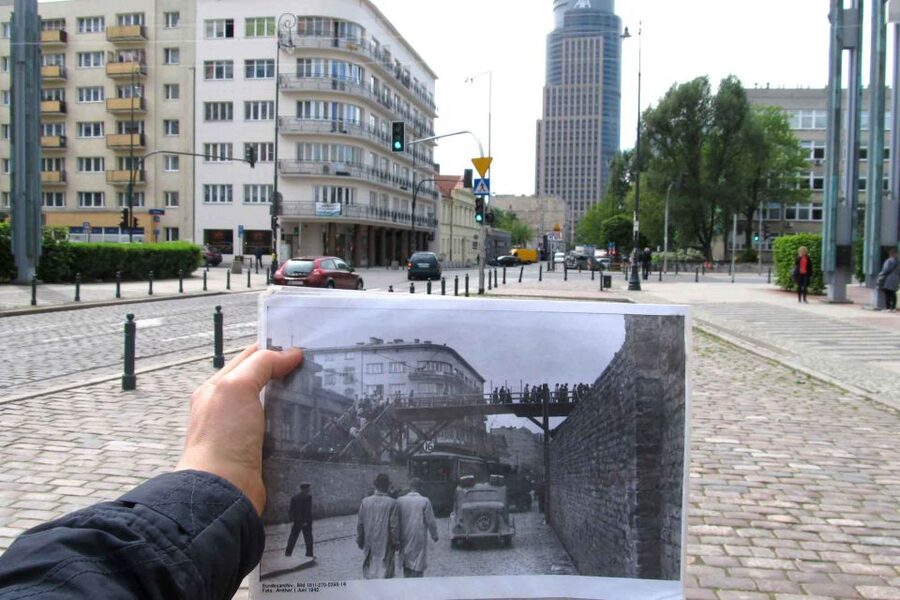
One of the most praised elements of this experience is the use of archival photographs. The guide helps you compare wartime images with today’s streets while you’re standing at or near the same kinds of places where those images were taken.
I love this technique because it turns “history” into something measurable. Your brain stops treating WWII as a distant era and starts seeing continuity and change: where the city looks rebuilt, where it still bears scars, and where the memory of events has been maintained through memorials and preserved damage.
It also helps you understand why certain buildings are unrestored and why some ruins matter so much. They aren’t just old stone; they’re evidence.
Price and Value: Is $165 for 3 Hours Worth It?
At about $165 per person for a 3-hour private tour, the price is not bargain-basement. But you are paying for a specific mix: a professional local English-speaking guide, transportation in a retro minibus, and hotel pickup within 3 km of the center.
Here’s why that can be good value. First, you’re not just visiting plaques. You’re getting a guided narrative that connects the German invasion, the ghetto system, the uprisings, and Soviet repression into one coherent story. Second, the transportation matters. Without the minibus, you’d spend more time moving around the city and less time at the most meaningful points.
If you’re traveling as a pair or a small group, a private format can make the cost feel more reasonable per person. And if you care about context—why events happened, not just what happened—this tour gives you that framing in a way that regular sightseeing rarely does.
What’s not included is food and drinks, so you’ll likely want to plan a meal before or after. The tour duration is short enough that you won’t lose half a day to logistics, but you should still expect the stops to be emotionally tiring.
Logistics That Matter: Comfort, Clothing, and What You Can Bring
You’ll do walking segments at each stop, and the vehicles mainly handle transfers. So comfortable footwear is key. Weather-appropriate clothing is also a must—especially because vintage buses may be warm in winter due to heating, but can feel less temperate in other seasons.
There are also restrictions:
- luggage or large bags are not allowed
- unaccompanied minors are not allowed
- children under 15 aren’t suitable
If you’re traveling with kids, there’s an extra detail to remember: seat boosters are mandatory under Polish law for children under 150 cm, and availability should be checked with the operator in advance.
Who This Tour Fits Best (and Who Might Want Something Else)
I think this tour is a strong match for travelers who want WWII history in Warsaw with real locations and real context. If you’re the type who likes to understand cause-and-effect—how occupation shaped resistance and daily life—this route is built for you.
It’s also a good fit if you prefer guided storytelling over reading alone. The guide’s ability to keep you engaged matters, and the past guides named Konrad, Lucas, and Adam have been praised for a mix of humor and strong explanation.
If you’re looking for a relaxed, “light” overview of Warsaw’s landmarks, you might find the subject matter too heavy. And if you need a fully accessible route with minimal walking, you should check the walking expectations before booking, since the tour includes walking at each stop.
Should You Book It?
Book this Warsaw WWII private tour if you want more than a checklist. You’ll get the ghetto story with physical evidence like a preserved wall fragment and the unrestored tenement house on Waliców Street. You’ll also get the full occupation picture, including Soviet crimes like deportations and Katyń, and you’ll end with the Warsaw Uprising and what followed in January 1945.
Skip it if you’re not ready for intense history, or if you’re traveling with lots of luggage and want minimal rules. The best results come when you show up with comfortable shoes, a willingness to slow down, and an interest in seeing how the city remembers.
FAQ
What is the duration of the Warsaw WWII private tour?
It lasts 3 hours, including the time for pickup and drop-off within the stated area.
Is hotel pickup included?
Yes. Pickup and drop-off are included for hotels and apartments located within 3 km of the city center.
How long is walking during the tour?
The tour uses the minibus for transfers, with walking segments at each stop. Exact walking time isn’t specified, so plan on some walking throughout.
What language is the tour guide?
The tour is guided in English.
What vehicle do you use?
You travel by a retro communist Żuk minibus. Vehicles are equipped with heating for winter, and some may not have seat belts since they’re historic vehicles.
Are air-conditioning and seat belts available?
Not consistently. Classic vintage minibuses are not equipped with air conditioning, and some may not have seat belts (historic vehicles may be without them).
What should I bring, and what’s not allowed?
Bring weather-appropriate clothing and wear comfortable footwear. Luggage or large bags are not allowed.
Is the tour suitable for children?
Children under 15 are not suitable. For children over 150 cm, adults and children can book; for children under 150 cm, seat boosters are mandatory and must be checked with the operator in advance. Unaccompanied minors are not allowed.
More Tour Reviews in Warsaw
- Warsaw: Chopin Concert in the Old Town
★ 4.8 · 2,287 reviews - Warsaw: Traditional Galar Cruise on The Vistula River
★ 4.6 · 1,640 reviews - Warsaw: Old Town Highlights Walking Tour in English
★ 4.7 · 1,516 reviews - Warsaw Concert: Chopin – Painted by Candlelights with Wine
★ 4.8 · 1,442 reviews
More Days in a Retro Fiat
- Private Tour: Warsaw City Sightseeing by Retro Fiat
★ 5.0 · 562 reviews - Discover the Dark Side of Warsaw in Praga District by Retro Bus
★ 5.0 · 327 reviews - Private Tour: Warsaw’s Jewish Heritage by Retro Fiat
★ 5.0 · 208 reviews - Warsaw City Sightseeing in a Retro Bus
★ 5.0 · 196 reviews
Warsaw in Wartime: More Reviews
- Small-Group Historical Guided Tour of Warsaw with pick up/drop off. Public Tour.
★ 4.5 · 343 reviews - World War 2 in Warsaw walking tour in English
★ 4.7 · 237 reviews - Warsaw: Warsaw Historical Group Tour with Pickup & Drop-Off
★ 4.6 · 233 reviews - Warsaw for WWII Buffs – private tour with hotel pickup
★ 5.0 · 166 reviews
Fresh on the site: newer Warsaw reviews
Vintage Car & Retro Fiat Tours: the other contenders.
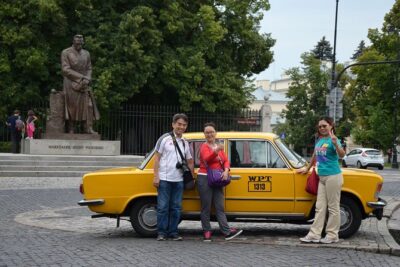 ★ 5.0Private Tour: Warsaw City Sightseeing by Retro FiatFrom $108562 reviews
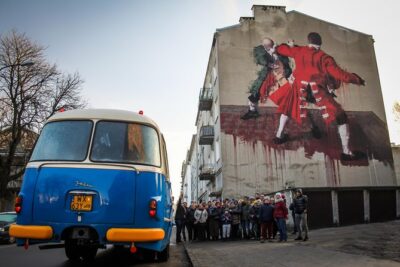 ★ 5.0Discover the Dark Side of Warsaw in Praga District by Retro BusFrom $42327 reviews
 ★ 5.0Private Tour: Warsaw’s Jewish Heritage by Retro FiatFrom $108208 reviews
 ★ 5.0Warsaw City Sightseeing in a Retro BusFrom $42196 reviews
 ★ 5.0Private Historical Tour of Warsaw by a Retro Fiat with PickupFrom $108190 reviews
 ★ 4.9Warsaw Must-Sees: 4-Hour Private Tour by Retro FiatFrom $105123 reviews
 ★ 5.0Private Tour: Warsaw’s Communist History by Retro FiatFrom $108115 reviews
 ★ 5.0Best of Warsaw – private tour by retro minibus with hotel pickupFrom $135111 reviews
Browse the lists this tour appears in