
Reviewed · WARSAW UPRISING & WWII HISTORY
Warsaw: Warsaw Historical Group Tour with Pickup & Drop-Off
Three hours is enough to make Warsaw click.
This Warsaw Historical Group Tour strings together the big emotional beats of the city—Royal Route sights, UNESCO Old Town monuments, Łazienki Park, and the Jewish Ghetto area—without you getting lost in logistics. I like that you’re not just staring at buildings: you’re looking at the sites in context, from royal-era Warsaw to WWII memorial ground. With hotel pickup and drop-off, you start relaxed and end back where you began, which matters in a city that can feel complicated fast.
The only real catch is pacing. You’ll do several walks in a short window, and you may have to keep moving to catch everything before the tour finishes. Also, if your guide’s English has a strong accent (it can happen), you might need a little extra focus during the more detailed historical moments.
In This Review
- Key stops and why they matter
- From your hotel onto the Royal Route
- Łazienki Park: the king’s summer escape in plain sight
- UNESCO Old Town on foot: Castle, cathedral, and royal tombs
- Entering the Jewish Ghetto area: Polin, memorials, and Umschlagplatz context
- More memorials across the city: Tomb of the Unknown Soldier, Warsaw Uprising, Katyn
- Praga District and the Brotherhood of Arms: seeing Warsaw’s other side
- Dąbrowski Bridge view and the tour’s friendly reset
- Price and value for about $58 in 3 hours
- Pacing, comfort, and what to do if English is tricky
- Should you book this Warsaw Historical Group Tour?
- FAQ
- What are the main sights included in this Warsaw tour?
- How long is the tour?
- Is hotel pickup and drop-off included?
- Are entrance fees or museum tickets included?
- What language is the guide?
- Is the tour wheelchair accessible?
- Can I cancel for a full refund?
- What should I wear for the tour?
Key stops and why they matter
- Royal Route big-picture views on a comfortable bus, so you understand how Warsaw’s neighborhoods connect.
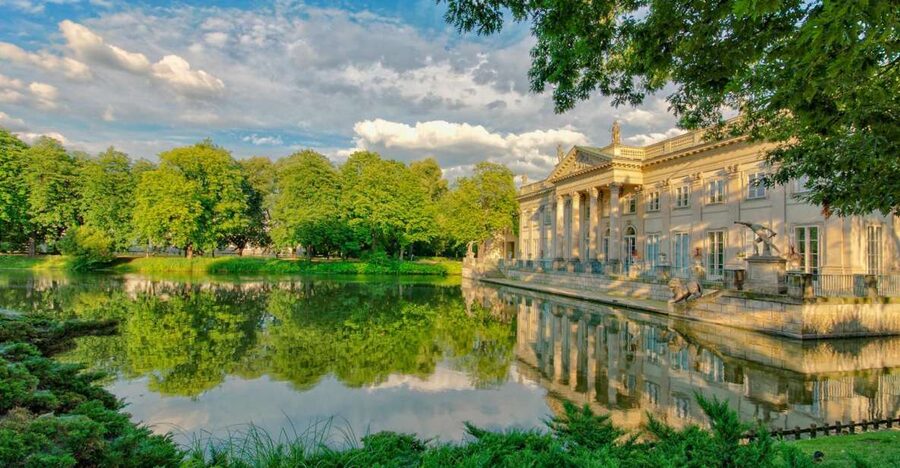
- Łazienki Park and the last king’s summer residence, a calm contrast to the heavier WWII stops.
- Old Town UNESCO sights like the Royal Castle, St. John’s Cathedral, and the tombs of major dynasties.
- Jewish Ghetto landmarks including Polin Museum and the Memorial to the Heroes of the Ghetto.
- Umschlagplatz and WWII deportation context, plus major memorials across the city.
- Dąbrowski Bridge views and a Praga District drive, so you see more than just the classic postcard core.
From your hotel onto the Royal Route
This tour is built for people who want an organized Warsaw snapshot in about 3 hours. The big practical win is the hotel pick-up and drop-off. You skip the taxi wrangling, you avoid bus-planning stress, and you get dropped back off afterward.
Once you’re on the new air-conditioned bus, you move along the famous Royal Route of Warsaw. That matters because the route acts like a spine through the city: palaces, formal architecture, and major monuments line up in ways that make the “how the city was designed” story easier to follow. Even if you only catch portions of views from the bus windows, you end up with a mental map you can actually use later when you explore on your own.
I also like how the guides tend to bring the city to life through story and energy. In the reviews, names like Christopher, Olaf, Leo, Alice, and Dorothy come up again and again—often with praise for engaging delivery and even humor. That doesn’t mean you’ll agree with every interpretation, but it does mean you’re likely to leave with clearer connections between what you saw and why it matters.
One small note: the tour includes walking segments, so bring the mindset of “guided walking pace,” not “wander at will.” You’ll get your photos, but you won’t have hours to linger.
More of Warsaw in 1944 and the war years
- World War 2 in Warsaw walking tour in English★ 4.7 · 237 reviews
- Warsaw: Warsaw Historical Group Tour with Pickup & Drop-Off★ 4.6 · 233 reviews
- Warsaw for WWII Buffs – private tour with hotel pickup★ 5.0 · 166 reviews
Łazienki Park: the king’s summer escape in plain sight
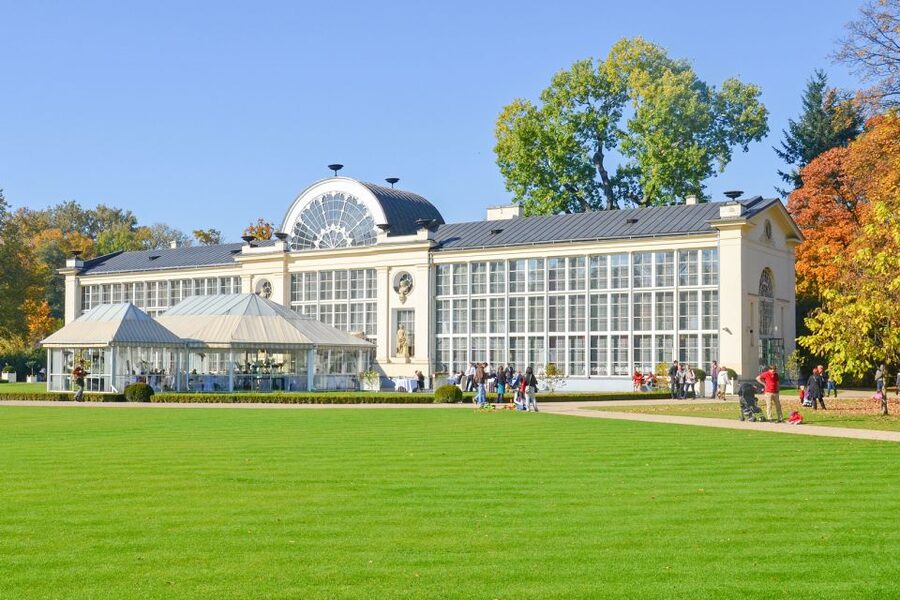
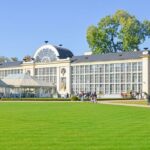
Łazienki Park is where Warsaw slows down. After time on the bus, you get out for a walk in one of the city’s best-known green spaces, and the setting does some of the work for the guide. Trees, paths, open sight lines—these make the architecture and the idea of a royal retreat easier to absorb.
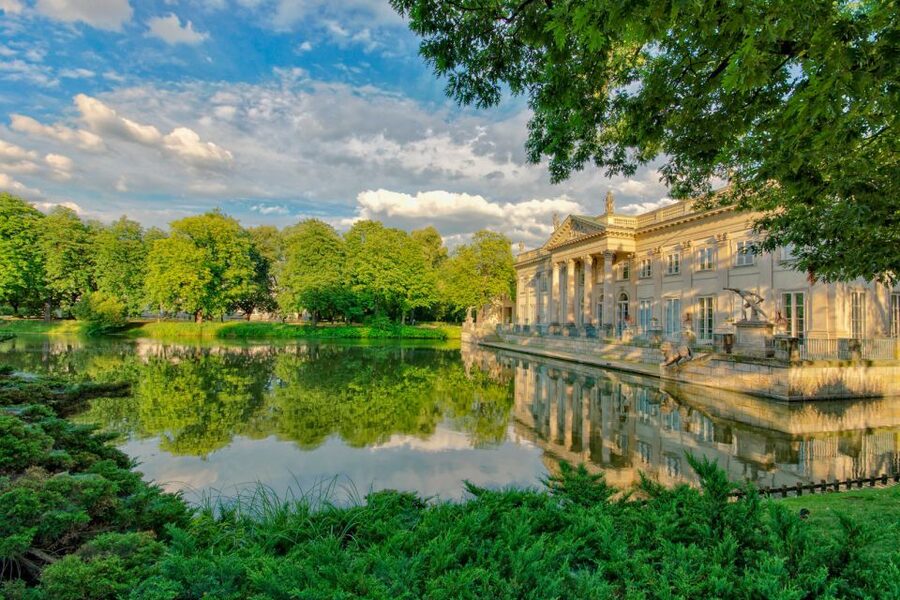
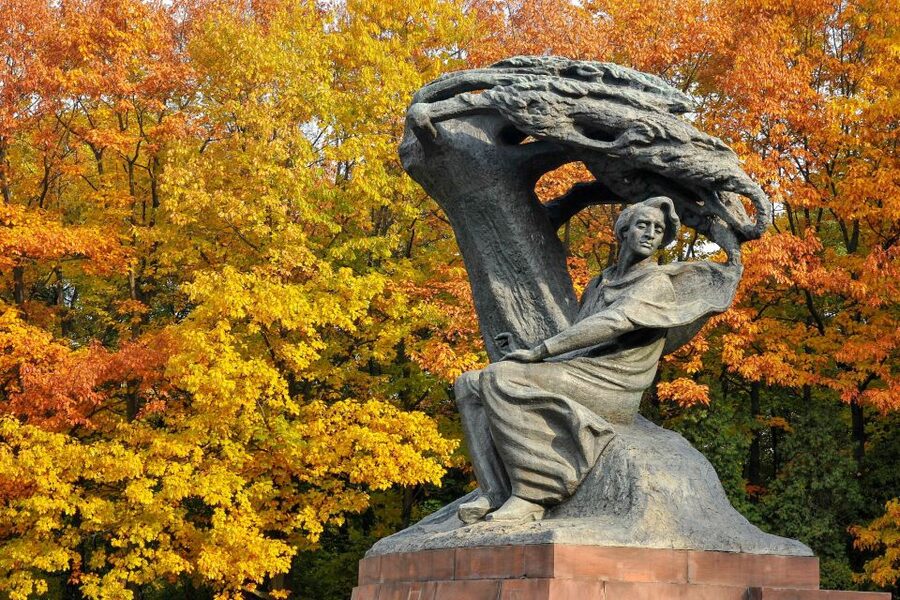
The standout here is the summer residence of the last King of Poland, reached during the park visit. Even if you’re not a palace person, this stop gives you a reset. You move from public, historical monuments to a place designed for leisure and perspective—exactly the kind of contrast that makes a 3-hour “big story” tour feel balanced.
And it’s not just about comfort. When you later see the Old Town and WWII memorial ground, Łazienki Park helps you understand what changes and what stays. Warsaw’s identity isn’t only its tragedies or only its rebuilt skyline; it’s also royal-era culture, parks, and civic spaces that shaped daily life.
It’s also a weather reality check. Reviews mention the tour can run in rain and still work—your best defense is simple: wear weather-appropriate clothing and keep your essentials dry. If it’s cold, dress in layers. If it’s wet, treat puddles as part of the plan.
UNESCO Old Town on foot: Castle, cathedral, and royal tombs
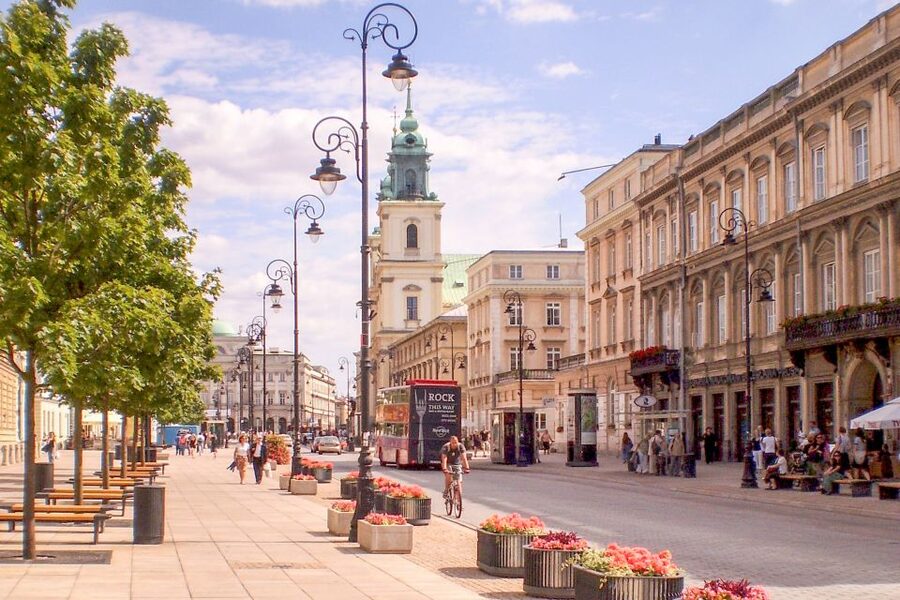
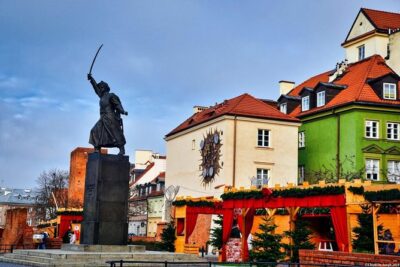
Old Town is the emotional and visual centerpiece of the tour. This is where the UNESCO designation matters in real life—not as a label, but as a concentration of landmark sites you can link together in one walking loop.
You’ll walk through UNESCO World Heritage monuments of the Old Town, including the Royal Castle and St. John’s Cathedral. You also get to see tombs connected to major dynasties, specifically the Jagiellonian and Vasa dynasties. That’s a lot to cover in a short time, but the value is that you get a guided framework for what you’re seeing: rulers weren’t just names in textbooks. Their power showed up in architecture, in religious buildings, and in the way history was physically anchored.
Here’s the practical advantage: the tour is set up so you don’t have to decide what’s “most important” when you’re tired and new to the city. Instead, you get an order of operations that makes sense—royal spaces, major sacred landmarks, and the dynastic timeline—then you move on.
Is there any drawback? You’ll be under time pressure. This is not a slow, museum-day kind of Old Town walk. One review even flagged that a bit more time for photos would have been nice. So if you love detail shots, take advantage of the pauses your guide creates and don’t assume you’ll have unlimited stop-and-stare time.
Still, for first-timers, this is one of the best ways to get oriented fast while learning what to notice.
Entering the Jewish Ghetto area: Polin, memorials, and Umschlagplatz context
This part of the tour is heavier, and it needs clear attention. You enter the former Jewish Ghetto area to see key sites connected to WWII history, including the Polin Museum and the Memorial to the Heroes of the Ghetto. The tour then continues to the Museum of the History of Polish Jews, and you’ll also learn about where the Nazis assembled Jews for deportation at Umschlagplatz.
Even with no museum ticket entrances promised on this tour, this segment works because you’re walking in the geographic places where history happened. The guide ties the locations together so you’re not just seeing street corners—you’re understanding the sequence and the meaning. For many people, the emotional impact lands hardest when the guide connects the names of sites to the events, rather than letting you skim past them.
You’ll also see or look at World War II memorials, with later stops expanding the story into other forms of remembrance. That’s important because it prevents the tour from feeling like one single tragedy snapshot. Warsaw’s WWII story includes deportations, uprisings, mass murder, and postwar remembrance across multiple locations.
If you’re sensitive to dark topics, plan for that. This isn’t a light sightseeing spin. But it’s also not chaotic or sensational; it’s structured and guided, and the memorial stops give your mind a place to process what you’re seeing.
More memorials across the city: Tomb of the Unknown Soldier, Warsaw Uprising, Katyn
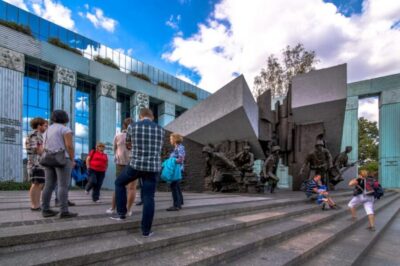
After the ghetto-area portion, the tour shifts you into a wider memorial map of Warsaw. By bus, you continue to major monuments, including the Tomb of the Unknown Soldier, the Monument of the Warsaw Uprising, and the Monument to the Victims of the Katyn Massacre.
These stops matter because they broaden the WWII picture beyond one event or one neighborhood. The Warsaw Uprising monument anchors the city’s resistance narrative. The Tomb of the Unknown Soldier gives a “collective memory” feeling—an idea that sacrifice can’t always be pinned to a single name you can read. And the Katyn Massacre memorial ties Polish suffering to broader Soviet-era atrocities that are often discussed less in casual travel planning.
In a short tour, this spread can feel like a lot. But when a guide is clear, it makes the city’s memorial landscape feel understandable instead of overwhelming. Reviews often mention guide energy and clarity, and names like Olaf, Christopher, and Leo show up in feedback about engaging storytelling and strong knowledge.
One practical tip from the “short-and-sweet” reality: if you want photos, stand where the guide pauses you. When you’re distracted by filming or taking pictures too early, you can miss the context sentences—those are the part you’ll remember later.
More of Warsaw and its long history



Praga District and the Brotherhood of Arms: seeing Warsaw’s other side
One of the more interesting surprises is that you don’t stay only in the sleek, rebuilt Warsaw core. The tour drives through Praga District (traffic permitting) and includes the Monument of Brotherhood of Arms.
Praga is often described as more industrial and gritty, and this tour uses the drive to show that Warsaw isn’t only polished facades. You get a sense of how the city continues beyond the Old Town bubble. Even from the bus, it helps you see scale: neighborhoods with different textures, different streets, and different vibes.
Is it ideal for everyone? If you’re the type who needs every minute to be a walking photo stop, you might wish you had more time outside the vehicle. But for most visitors, the drive is a smart trade-off. You get a broader city picture without spending the entire day commuting between far-flung areas.
Traffic is real, too. One review mentioned that street blocks on a specific day forced the guide to improvise, and not everything could be seen up close. That’s worth keeping in mind in Warsaw: disruptions can change how much you view from the roadside vs. at stops you can exit for.
Dąbrowski Bridge view and the tour’s friendly reset
The ending sequence is practical and, frankly, helpful. You get a unique view from Dąbrowski Bridge before you’re dropped back off at your hotel.
That bridge stop is a good “memory stitch.” From there, you can connect the visual thread of the day: royal-era centerlines, Old Town landmark cluster, and the city’s memorial spread out across districts. Bridges also make good photo points because you can frame wide views without needing a perfect interior.
Then comes the payoff of pickup/drop-off done right. After 3 hours of coordinated bus movement and guided walking, getting back to your hotel keeps you from having to negotiate transport when you’re tired and slightly overloaded with information.
This tour is also set up so you’re not stuck guessing how much time each sight would take on your own. You see a lot, you learn what matters, and you leave with a clearer plan for what to revisit later—if you want more time at any one place.
If you like a tour that gives you orientation and context, this ending style feels like a clean finish.
Price and value for about $58 in 3 hours

At around $58 per person for a 3-hour tour, the best way to judge value is not just price, but what you’re buying. Here, you’re paying for hotel pickup and drop-off, an English-speaking guide, transportation by a new air-conditioned bus, and three walking segments.
That’s a strong package if you’re time-limited or if you want to avoid coordinating transit between the Old Town, Łazienki Park, and the WWII sites scattered around Warsaw. A DIY version can be cheaper on paper, but you’ll spend more time figuring out routes and you may not capture the historical through-line as clearly.
Also, the tour includes a skip-the-ticket-line perk. The tour data says there are no museum entrances on this experience, so the benefit might apply to any ticketed moments that come up operationally. Either way, it’s still a time-saving feature worth having.
What you might not love is the “no museum entrances” reality. This tour focuses on the sites and memorials rather than full indoor museum experiences. If you want deep archival study, you’ll likely want to add a museum visit on another day. But for an introduction and a guided emotional map, this format fits well.
So the value angle is simple: if you want organized highlights and context quickly, the price feels reasonable. If you want slow, museum-heavy time, you may feel the schedule is too tight.
Pacing, comfort, and what to do if English is tricky
The pacing is the main thing to plan for. You get 3 walks, plus bus travel between stops. That’s totally doable for many people, but you shouldn’t show up expecting lots of long breaks. One review noted that it would have been nice to have more time to click photos in the Old Town—so build in a “take photos quickly, move with the group” mindset.
Comfort comes from the bus: it’s new and air-conditioned, and reviews mention the driver navigating safely and efficiently. Still, the tour can be information-heavy while you walk. One review even suggested headphones would help because the guide’s commentary is missed if you fall behind. The takeaway for you is practical: stay close enough to hear key explanations, or you’ll lose the story thread.
Weather can also shape the experience. Reviews mention rain, and the guide still managed to keep things enjoyable and productive. If the weather is bad, wear layers and shoes you can move in. Bring a small umbrella if that’s your style, but remember that hands get needed for photos and stepping around puddles.
Finally, language clarity is worth mentioning because accents vary. One review flagged that a heavy accent made parts hard to follow. You can solve this by listening actively when the guide speaks and asking questions if something isn’t clear—many guides encourage it.
Should you book this Warsaw Historical Group Tour?
I’d book it if you’re new to Warsaw and you want a fast, structured introduction that connects royal-era landmarks, the UNESCO Old Town, and WWII memorial sites into one coherent day. It’s especially a good fit if you value hotel pickup, comfortable transport, and a guide who brings energy—often mentioned in strong feedback with names like Christopher, Olaf, Leo, and Alice.
I’d think twice if you want a slow pace, long photo stops, or full museum time. This tour is more about seeing and understanding the places quickly, not spending hours inside exhibits. If you’re hoping for that, plan extra time for museum visits elsewhere.
If you want a practical first pass through Warsaw—something you can build on the next day—this one is a solid choice.
FAQ
What are the main sights included in this Warsaw tour?
You’ll see the Royal Route of Warsaw, Łazienki Park (including the summer residence of the last King of Poland), the UNESCO World Heritage Old Town landmarks (Royal Castle, St. John’s Cathedral, and tombs of the Jagiellonian and Vasa dynasties), the Jewish Ghetto area (including Polin Museum and the Memorial to the Heroes of the Ghetto), and WWII sites including Umschlagplatz. You’ll also visit the Tomb of the Unknown Soldier, the Monument of the Warsaw Uprising, the Monument to the Victims of the Katyn Massacre, and see a view from Dąbrowski Bridge, plus a drive through Praga District.
How long is the tour?
The duration is 3 hours.
Is hotel pickup and drop-off included?
Yes. Pickup is included from your hotel in Warsaw, and you’re also dropped off back at your hotel.
Are entrance fees or museum tickets included?
The tour states there are no museum entrances on this experience, and entrance fees are not included.
What language is the guide?
The live tour guide is in English.
Is the tour wheelchair accessible?
Yes, wheelchair accessibility is listed as available.
Can I cancel for a full refund?
Yes, you can cancel up to 24 hours in advance for a full refund.
What should I wear for the tour?
Wear appropriate clothing for the weather, since you’ll be walking during the experience.
More Tours in Warsaw
- Warsaw: Old Town Highlights Walking Tour in English
★ 4.7 · 1,516 reviews - Warsaw: City Sightseeing Hop-On Hop-Off Bus Tour
★ 3.6 · 1,415 reviews - Warsaw: Polish Vodka Museum Tour with Tasting
★ 4.6 · 788 reviews - 3-Hour Guided Cycling Tour of Warsaw
★ 4.9 · 624 reviews
More Tour Reviews in Warsaw
- Warsaw: Chopin Concert in the Old Town
★ 4.8 · 2,287 reviews - Warsaw: Traditional Galar Cruise on The Vistula River
★ 4.6 · 1,640 reviews - Warsaw: Old Town Highlights Walking Tour in English
★ 4.7 · 1,516 reviews - Warsaw Concert: Chopin – Painted by Candlelights with Wine
★ 4.8 · 1,442 reviews
Warsaw in Wartime: More Reviews
- Small-Group Historical Guided Tour of Warsaw with pick up/drop off. Public Tour.
★ 4.5 · 343 reviews - World War 2 in Warsaw walking tour in English
★ 4.7 · 237 reviews - Warsaw for WWII Buffs – private tour with hotel pickup
★ 5.0 · 166 reviews - Warsaw Uprising Museum (1944) : PRIVATE SERVICE /inc. Pick-up/
★ 4.5 · 18 reviews
Fresh on the site: newer Warsaw reviews

Warsaw Uprising & WWII History: the other contenders.
 ★ 4.5Small-Group Historical Guided Tour of Warsaw with pick up/drop off. Public Tour.From $60343 reviews
 ★ 4.7World War 2 in Warsaw walking tour in EnglishFrom $20237 reviews
 ★ 5.0Warsaw for WWII Buffs – private tour with hotel pickupFrom $169166 reviews
 ★ 4.5Warsaw Uprising Museum (1944) : PRIVATE SERVICE /inc. Pick-up/From $9518 reviews
 ★ 4.7Warsaw Uprising and WWII Old Town Walking Tour with MuseumFrom $11215 reviews
 ★ 4.5Warsaw Uprising Museum (1944) + POLIN Museum : SMALL GROUP /inc. Pick-up/From $11414 reviews
 ★ 5.0Warsaw History and Reality Walking TourFrom $1148 reviews
 ★ 4.5Warsaw at War 1939-1945: A Self-guided Audio TourFrom $97 reviews
Browse the lists this tour appears in