
Reviewed · WARSAW UPRISING & WWII HISTORY
World War 2 in Warsaw walking tour in English
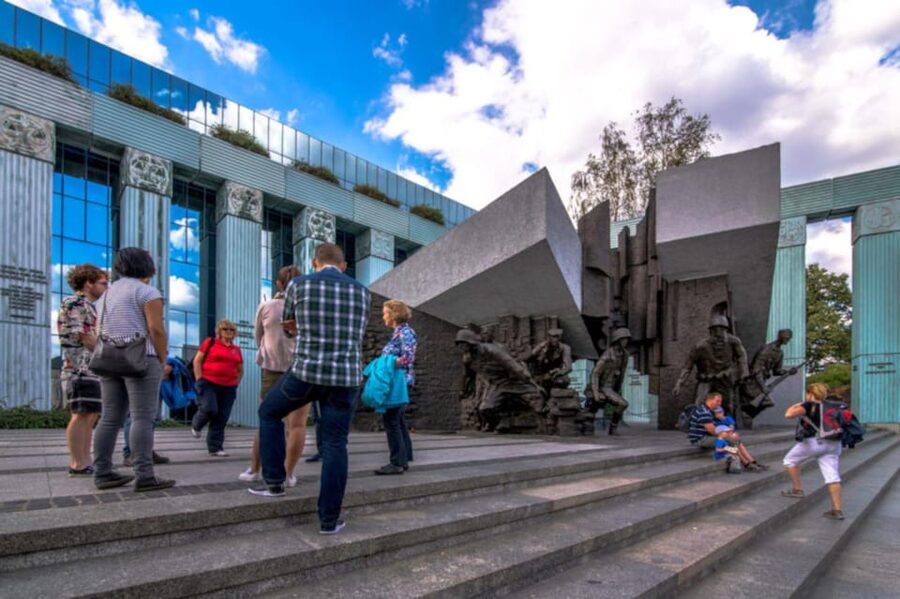
Warsaw’s WWII lessons hit differently on foot. I like that Warsaw-born local guides (I met guides in the style of Magda) layer in family stories and war photos on the route, not just dates and slogans. I also like the tight focus on the places tied to the 1943 Jewish Ghetto Uprising and the 1944 Warsaw Uprising. One drawback to plan for: it’s a serious, outdoor walk, so dress for real winter weather and be ready for a steady 150-minute pace.
This is one of those experiences that feels educational and human at the same time. You’ll see sites connected to the former Nazi German District, the former Adolf Hitler Square, the Jewish ghetto area, execution sites, and 1944 resistance strongholds. It’s in English and run in small groups, which matters when the subject is heavy and you want to ask questions.
You’ll start at a very specific spot: the tall 20-meter column with a statue on top, and a guide holding an Orange Umbrella standing close by.
In This Review
- Key things I’d circle before you go
- Warsaw’s WWII history, explained street-by-street (not like a museum)
- The Orange Umbrella start: how to find the group fast
- Nazi district to Adolf Hitler Square: seeing power on the map
- The former Jewish Ghetto area: where everyday life met terror
- Execution sites and 1944 Warsaw Uprising strongholds: resistance with names and places
- How guides use war photos and family stories (and why it works)
- Pace, noise, and what to do if it’s hard to hear
- English delivery, Q&A, and the feel of a serious topic done well
- Price and value: is $20 worth 150 minutes?
- Who this Warsaw WWII walking tour is best for
- Should you book Orange Umbrella Tours’ WWII walk in English?
- FAQ
- FAQ
- What is the duration of the World War 2 walking tour in Warsaw?
- How much does the tour cost?
- Where do I meet the guide?
- Is the tour offered in English?
- Is the tour wheelchair accessible?
- What World War 2 events and places does the tour cover?
Key things I’d circle before you go
- Orange Umbrella meeting point: head straight to the 20-meter column and find the guide with the umbrella.
- Small groups, better Q&A: fewer people means it’s easier to ask follow-ups during stops.
- War photos plus personal family stories: visuals make the history easier to picture and harder to forget.
- A route built around the uprisings: 1943 and 1944 aren’t treated as separate footnotes.
- English live guidance: everything is explained in real time, not read off a headset.
Warsaw’s WWII history, explained street-by-street (not like a museum)

Warsaw in World War 2 wasn’t just “damaged.” It was repeatedly targeted, and civilians lived under constant pressure from the occupying regime, including the presence of the SS. On this walk, you don’t stay abstract for long. You move from one meaningful location to the next and the guide connects what you’re seeing to what happened there.
What I like most is how the tour frames the story from the Polish point of view while still covering the full machinery of occupation. You’ll walk through the former Nazi German District and the area associated with the former Adolf Hitler Square, then continue toward the former Jewish Ghetto. It’s a clear path through the war’s changing realities in the city.
And yes, it’s heavy. But it’s also direct and grounded. That’s a good thing here, because Warsaw’s WWII story is not something you should skim.
More of Warsaw in 1944 and the war years
- World War 2 in Warsaw walking tour in English★ 4.7 · 237 reviews
- Warsaw: Warsaw Historical Group Tour with Pickup & Drop-Off★ 4.6 · 233 reviews
- Warsaw for WWII Buffs – private tour with hotel pickup★ 5.0 · 166 reviews
The Orange Umbrella start: how to find the group fast
Your meetup is not a vague corner. Look for a guide holding an Orange Umbrella standing close to the tall 20-meter-high column with a statue on top. If you’re early, stand near the column and keep an eye out—this tour clearly depends on people assembling correctly before you start moving.
I’ve seen reviews that mention extreme winter cold (as in very low temperatures). So plan like you’re going to be outside for the whole 150 minutes. Wear layers you can move in, bring gloves, and consider a hat that covers your ears.
It’s also worth thinking about comfort and pace. One review mentioned that the tour pace can be brisk enough that a senior traveler had trouble keeping up. If you’re sensitive to distance or speed, go in knowing it’s a walk first, not a sit-down lecture.
Nazi district to Adolf Hitler Square: seeing power on the map
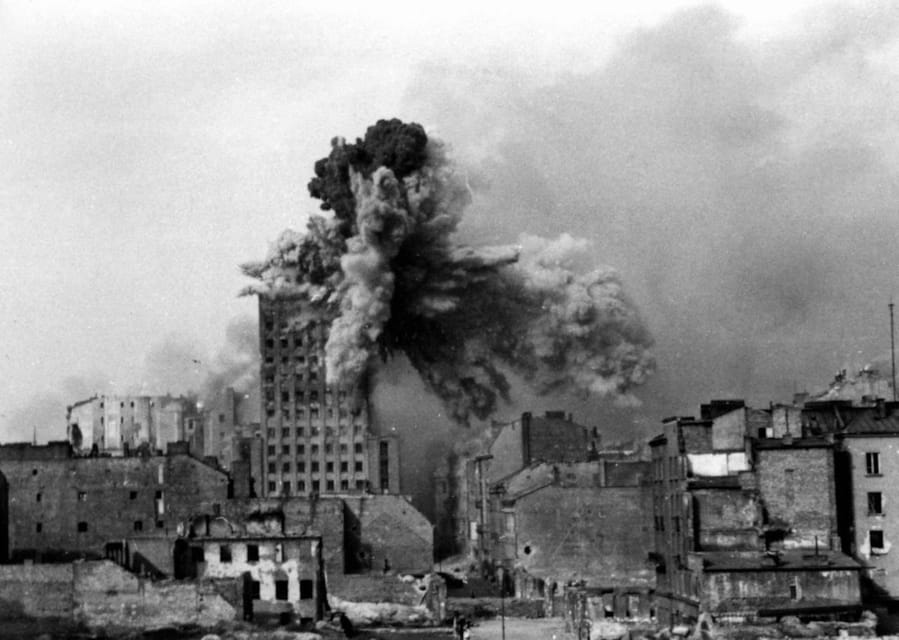
One of the early sections focuses on places linked to occupation power—specifically the former Nazi German District and the former Adolf Hitler Square. In a museum, you can understand what those places symbolized. On the ground, it hits differently, because you’re standing in an urban layout that once served a brutal agenda.
The guide’s job here is to translate space into meaning: what that district represented, why a specific square mattered, and how the occupiers tried to reshape daily life. The inclusion of war photographs helps a lot. It gives you a before-and-during mental picture, so you aren’t trying to imagine the past from scratch.
This is also where you start to notice a theme you’ll keep seeing: the city didn’t just experience war—it was forced to live inside it.
The former Jewish Ghetto area: where everyday life met terror
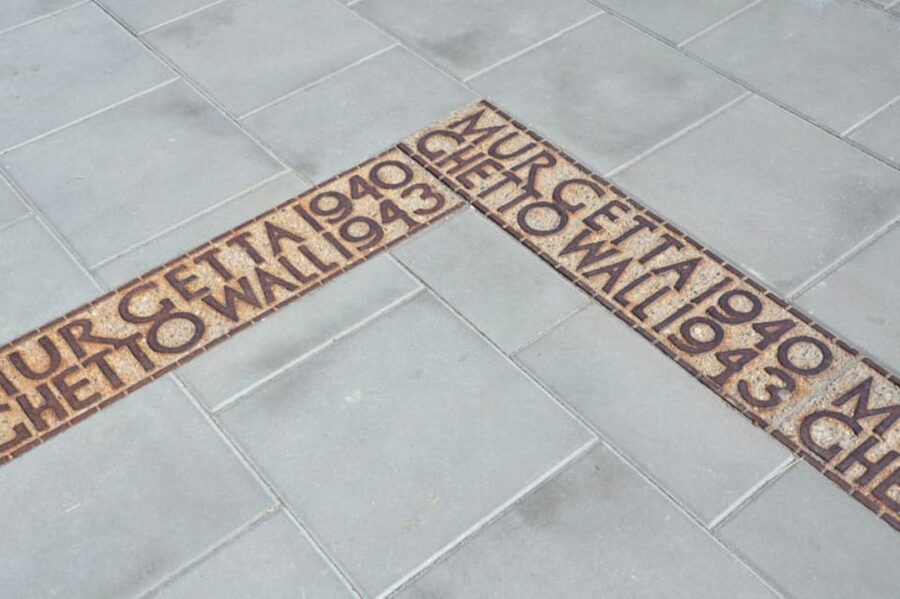
The tour then brings you to the former Jewish Ghetto area, tied to the 1943 Jewish Ghetto Uprising. This stop isn’t about sensationalizing suffering. It’s about making sure you understand the stakes: people were trapped inside a system designed to destroy them, and resistance still happened.
What you’ll likely appreciate is how the guide connects the uprising to the broader occupation story you’ve already heard. Instead of jumping straight to 1943 as a single dramatic moment, you build context first—then the uprising becomes what it should be: a response made under impossible conditions.
War photos and personal stories make it easier to grasp how civilians endured. Several guides on this style of tour are praised for blending serious facts with a human tone, the kind that doesn’t look away.
Execution sites and 1944 Warsaw Uprising strongholds: resistance with names and places
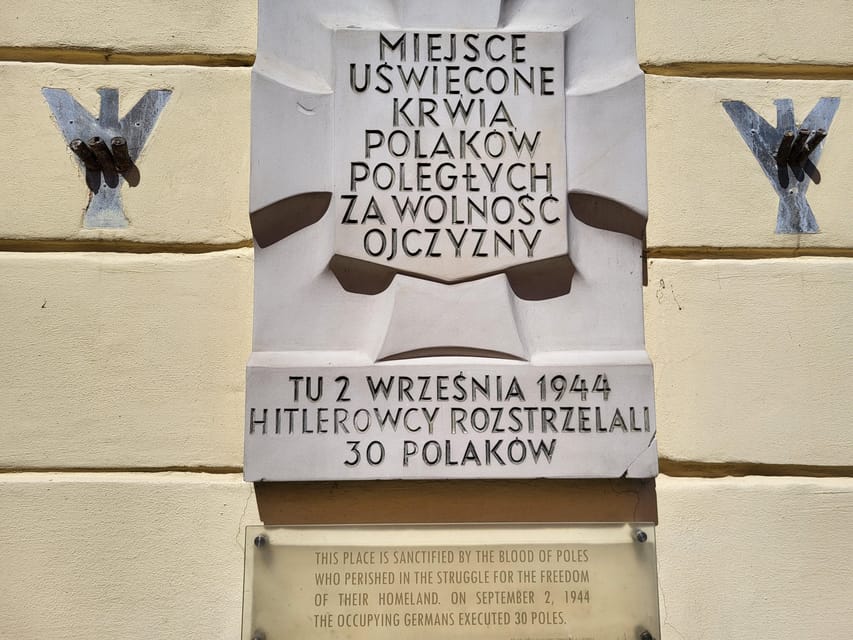
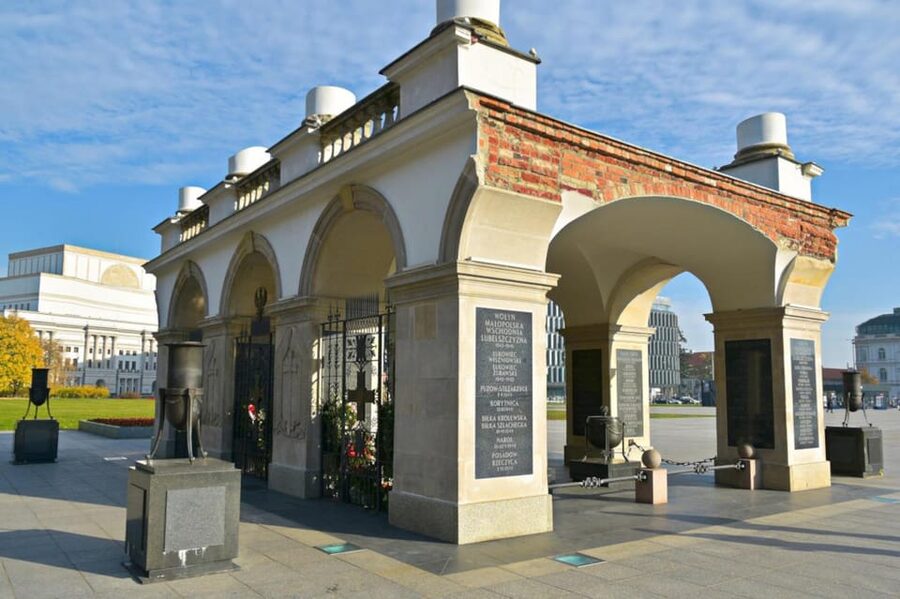
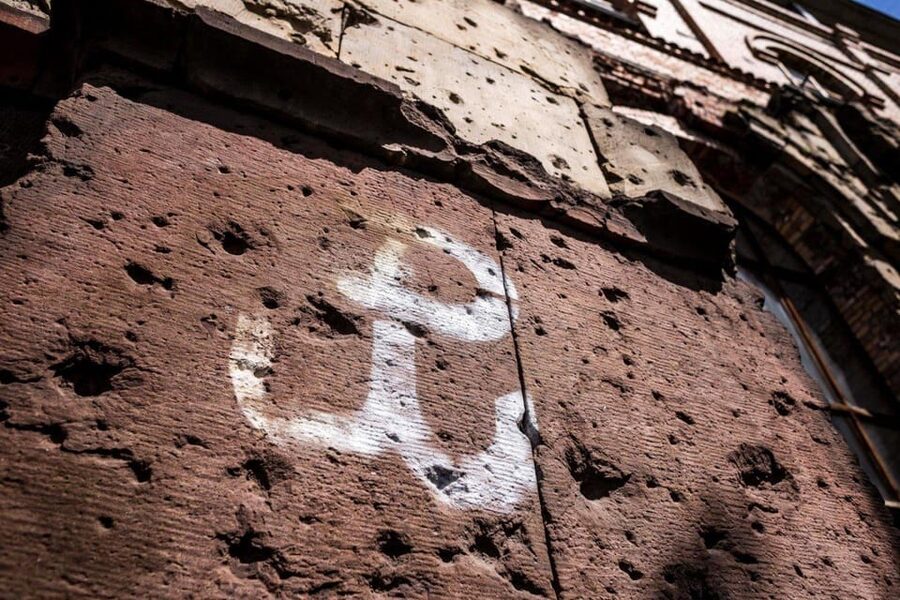
A major part of the experience covers the 1944 Warsaw Uprising: execution sites and strongholds of Polish Resistance. This is where the tour shifts into something more than history sightseeing. It becomes a map of where decisions were made, where people fought, and where the cost landed.
I like that the route doesn’t treat resistance as a single heroic label. By stopping at execution-related locations and resistance strongholds, the guide can show the full arc: the attempt to resist, the brutal retaliation, and the way the city was shaped by that struggle.
One of the strongest review themes is how guides like Goska, Piotr, Eliza, and Albert (different names, same approach) balance seriousness with clarity. They explain complicated political and human realities in a way you can follow while still respecting the horror of what took place.
On foot through Warsaw: more guided walks




How guides use war photos and family stories (and why it works)
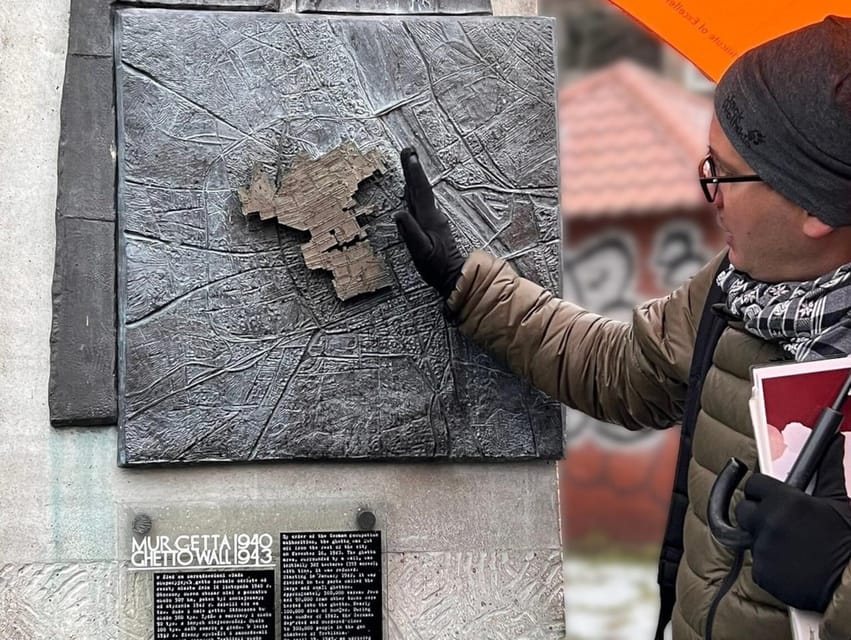
This is a walking tour enriched with war photographs and personal family stories, guided by experienced local guides born and raised in Warsaw. That combination matters because it does two things at once:
First, it makes the facts easier to understand. Photos help you visualize a city that no longer looks like the wartime version. Maps and old images also tend to reduce the feeling that you’re just hearing a lecture while walking.
Second, it makes the story personal without turning it into melodrama. Multiple guides are praised for weaving in family memories and then bringing you back to the larger historical context. That makes your understanding steadier, not just emotional.
It’s also why small groups are such a plus here. You’re not stuck in the back lane trying to catch fragments while the guide walks on. In a smaller group, you can hear the story at each stop and ask a question when something clicks—or when something doesn’t.
Pace, noise, and what to do if it’s hard to hear
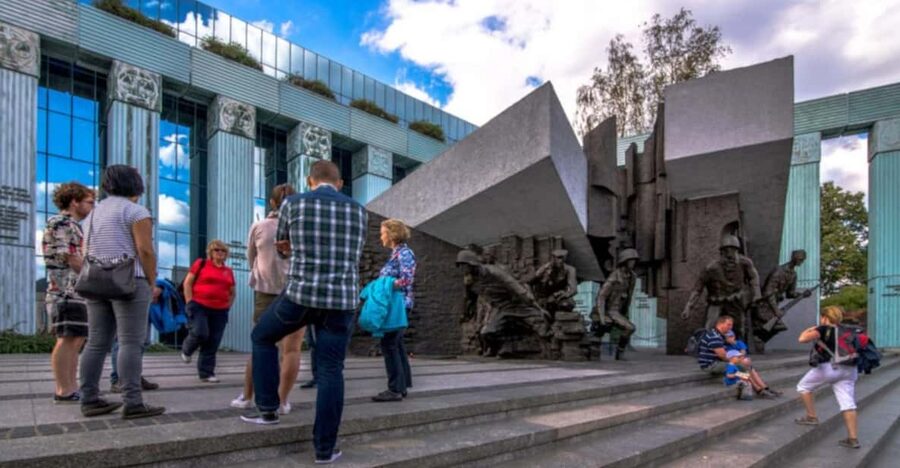
Because the tour is 150 minutes, it’s not meant for slow sightseeing with long breaks. You’ll be moving between locations, and the guide will be talking while you walk or pause.
One practical point: traffic and street noise can interfere with hearing. A review suggested using a megaphone because the story was missed when things got loud. You can’t control the city, but you can control your position—stay close to the guide when you can, and don’t hang back at busy crossings.
Also, if you’re someone who likes to look things up afterward, you might want to bring a note app and capture key place names as you go. One review asked for a map to help connect names and locations. A quick note strategy can solve that.
English delivery, Q&A, and the feel of a serious topic done well
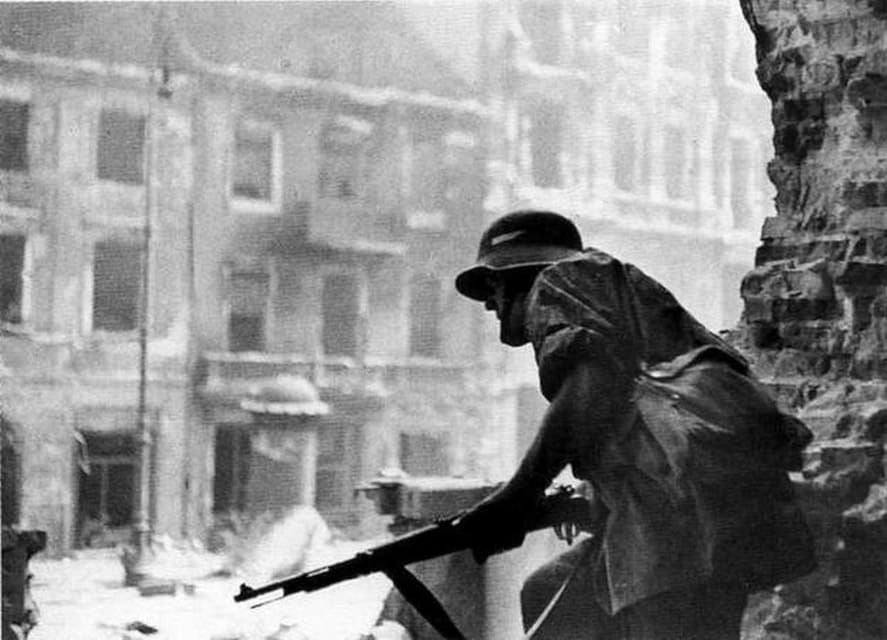
The tour is in English, live-guided by local experts. The best part isn’t just correct language—it’s how clearly the guide communicates sensitive content. Many reviews mention guides who spoke clearly, handled difficult questions, and kept a good group flow.
A good sign: some guides are specifically praised for creating the right tone. People noted that the atmosphere stayed engaging and respectful, even when the material is emotionally intense. That’s a difficult balance, and it’s usually where good guides win their pay.
If you’re coming with curiosity rather than deep prior knowledge, you’ll still be fine. Several reviews suggest it’s accessible for people who don’t consider themselves history experts, as long as you’re open to learning.
Price and value: is $20 worth 150 minutes?
At $20 per person for 150 minutes, this is priced like a value tour, not a premium museum experience. For that money, you get a professional local guide, English live narration, a route through multiple high-impact WWII sites, and added materials like war photographs plus personal family stories.
Here’s why I think it’s good value: the cost isn’t just paying for walking. It’s paying for interpretation. You’re being handed context for why each location matters, plus human details that help the bigger story stick.
One small but important note: the tour is described as joining a group of other tourists. That means you’re not getting private-guide treatment, but you are getting small-group attention. For many people, that hits the sweet spot between cost and quality.
Also, there’s a tip consideration worth knowing. The guidance says that if only you enjoyed the tour, feel free to tip because broker and agency commissions and taxes consume 60% of your payment. If you appreciated the guide’s care and clarity, tipping is a real way to support the person doing the work.
Who this Warsaw WWII walking tour is best for
This tour fits best if you want real context, not just monuments. You’ll enjoy it most if you like walking tours with a strong storyline, and if you’re interested in how Warsaw’s WWII story unfolded through the occupation and uprisings.
It’s a strong choice for couples, friends, and families who can handle serious subject matter. Reviews include people traveling with dads and teenagers and a strong focus on how the tour can be emotional and thought-provoking for younger visitors—when handled sensitively by the guide.
If you have mobility limits, it’s listed as wheelchair accessible. Still, it’s wise to consider cold weather and uneven urban conditions typical to a walking route.
Should you book Orange Umbrella Tours’ WWII walk in English?
If you want a guided, respectful Warsaw WWII experience that connects major events to specific locations, this is an easy yes. The small-group setup, English live guidance, and the combination of war photos with family stories are exactly what helps history feel real instead of distant.
Book it if you’re ready for a serious walk and you dress for winter. Pass if you only want light, surface-level sightseeing—or if you’re unlikely to manage 150 minutes of moving through city streets and hearing details in challenging outdoor conditions.
FAQ
FAQ
What is the duration of the World War 2 walking tour in Warsaw?
The tour lasts 150 minutes.
How much does the tour cost?
The price is $20 per person.
Where do I meet the guide?
Meet near the 20-meter-high column with a statue on top, looking for the guide holding an Orange Umbrella close by.
Is the tour offered in English?
Yes. The live tour guide speaks English.
Is the tour wheelchair accessible?
Yes, the tour is listed as wheelchair accessible.
What World War 2 events and places does the tour cover?
The tour focuses on Warsaw’s wartime experience and includes places tied to the former Nazi German District, the former Adolf Hitler Square, the former Jewish Ghetto, execution sites, and strongholds of the Polish Resistance in the 1944 Warsaw Uprising. It also specifically covers the 1943 Jewish Ghetto Uprising and the 1944 Warsaw Uprising.
More Tours in Warsaw
- Warsaw: Old Town Highlights Walking Tour in English
★ 4.7 · 1,516 reviews - Warsaw: City Sightseeing Hop-On Hop-Off Bus Tour
★ 3.6 · 1,415 reviews - Warsaw: Polish Vodka Museum Tour with Tasting
★ 4.6 · 788 reviews - 3-Hour Guided Cycling Tour of Warsaw
★ 4.9 · 624 reviews
More Tour Reviews in Warsaw
- Warsaw: Chopin Concert in the Old Town
★ 4.8 · 2,287 reviews - Warsaw: Traditional Galar Cruise on The Vistula River
★ 4.6 · 1,640 reviews - Warsaw: Old Town Highlights Walking Tour in English
★ 4.7 · 1,516 reviews - Warsaw Concert: Chopin – Painted by Candlelights with Wine
★ 4.8 · 1,442 reviews
Warsaw in Wartime: More Reviews
- Small-Group Historical Guided Tour of Warsaw with pick up/drop off. Public Tour.
★ 4.5 · 343 reviews - Warsaw: Warsaw Historical Group Tour with Pickup & Drop-Off
★ 4.6 · 233 reviews - Warsaw for WWII Buffs – private tour with hotel pickup
★ 5.0 · 166 reviews - Warsaw Uprising Museum (1944) : PRIVATE SERVICE /inc. Pick-up/
★ 4.5 · 18 reviews
Fresh on the site: newer Warsaw reviews

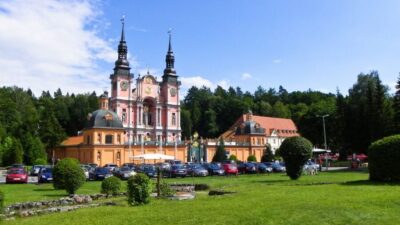

Warsaw Uprising & WWII History: the other contenders.
 ★ 4.5Small-Group Historical Guided Tour of Warsaw with pick up/drop off. Public Tour.From $60343 reviews
 ★ 4.6Warsaw Historical Group Tour with Pickup & Drop-OffFrom $58233 reviews
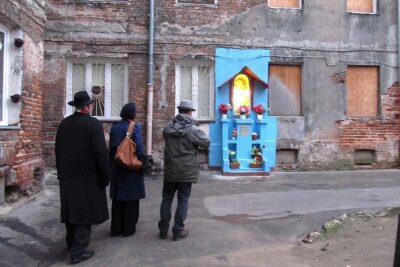 ★ 5.0Warsaw for WWII Buffs – private tour with hotel pickupFrom $169166 reviews
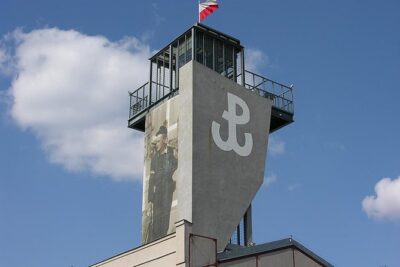 ★ 4.5Warsaw Uprising Museum (1944) : PRIVATE SERVICE /inc. Pick-up/From $9518 reviews
 ★ 4.7Warsaw Uprising and WWII Old Town Walking Tour with MuseumFrom $11215 reviews
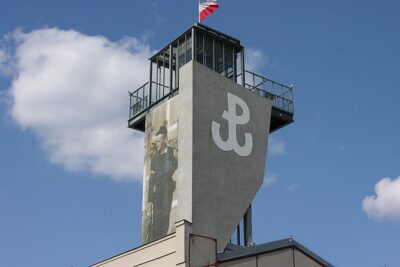 ★ 4.5Warsaw Uprising Museum (1944) + POLIN Museum : SMALL GROUP /inc. Pick-up/From $11414 reviews
 ★ 5.0Warsaw History and Reality Walking TourFrom $1148 reviews
 ★ 4.5Warsaw at War 1939-1945: A Self-guided Audio TourFrom $97 reviews
Browse the lists this tour appears in