
Reviewed · JEWISH WARSAW, GHETTO & POLIN
A unique walking tour of Jewish Warsaw — past and present
One street scene can hold centuries. This walking tour stitches Jewish Warsaw’s past and present together in a focused route with real surviving clues from WWII. What I like most is the chance to see Nożyk Synagogue in person and to end at Umschlagplatz, the place tied to the Treblinka deportations. The main drawback is simple: it’s a 4.5–5 km walk, so it’s not ideal if you struggle with long distances.
You’ll spend about three hours on foot, moving between the Muranów area, ghetto reminders, and memorial sites tied to deportations and resistance. The group stays small (up to 10), the tour is in English, and the guide’s storytelling style is a big part of the value. One point to consider: entry to the Nożyk Synagogue and the POLIN Museum is not included, so you’ll want to budget for those if you decide to go inside.
In This Review
- Key highlights worth circling
- A three-hour walk that links nearly 1,000 years of Jewish Warsaw
- Getting started at Sienna 53, then walking 4.5–5 km in an efficient loop
- Nożyk Synagogue: seeing a survivor you can still visit
- Hala Mirowska and the Muranów area: learning the geography of the ghetto
- Ringelblum Archive remembrance: why testimony mattered during the worst time
- Miła 18: connecting addresses to the human scale of WWII
- POLIN Museum history overview: context before you pay to go in
- Pomnik Umschlagplatz: where 300,000 Jews were transported to Treblinka
- Why the guide makes this tour worth $32
- Small group size and practical pacing: 10 people makes a difference
- What to watch for: walking day energy and entry decisions
- Who should book this Jewish Warsaw walking tour (and who should skip it)
- Should you book? My decision checklist
- FAQ
- Where does the tour meet?
- How long is the walking tour?
- How far do you walk?
- What stops are included?
- Is entry to Nożyk Synagogue included?
- Is entry to POLIN Museum included?
- What language is the tour in?
- Is the tour wheelchair accessible?
- How big is the group?
- Is this tour recommended if I have limited walking ability?
Key highlights worth circling
- Nożyk Synagogue, the lone survivor: the only Warsaw synagogue that survived the war and still stands today
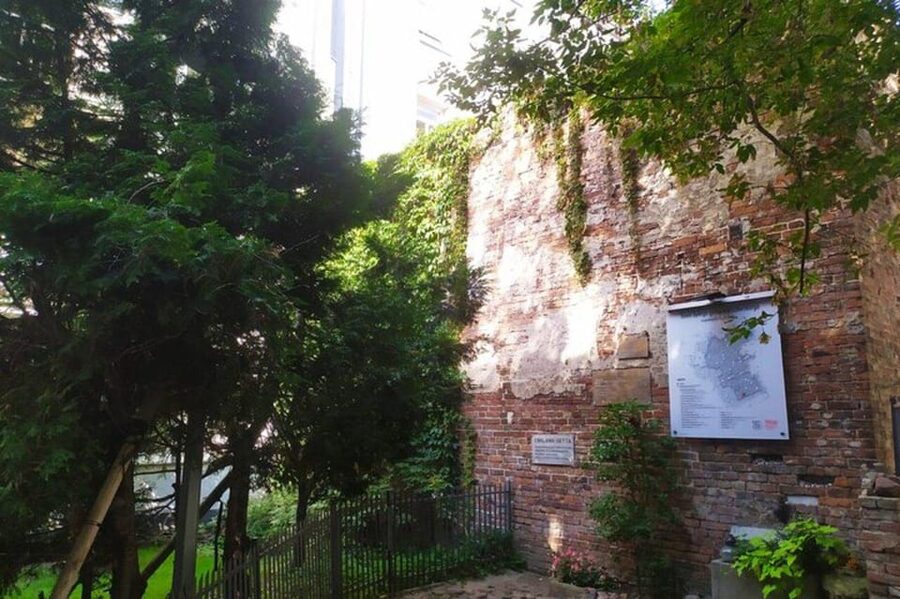
- A real fragment of the ghetto wall: one of the few remaining sections you can see in the city
- Umschlagplatz and the Treblinka link: the stop connected to 300,000 Jews deported
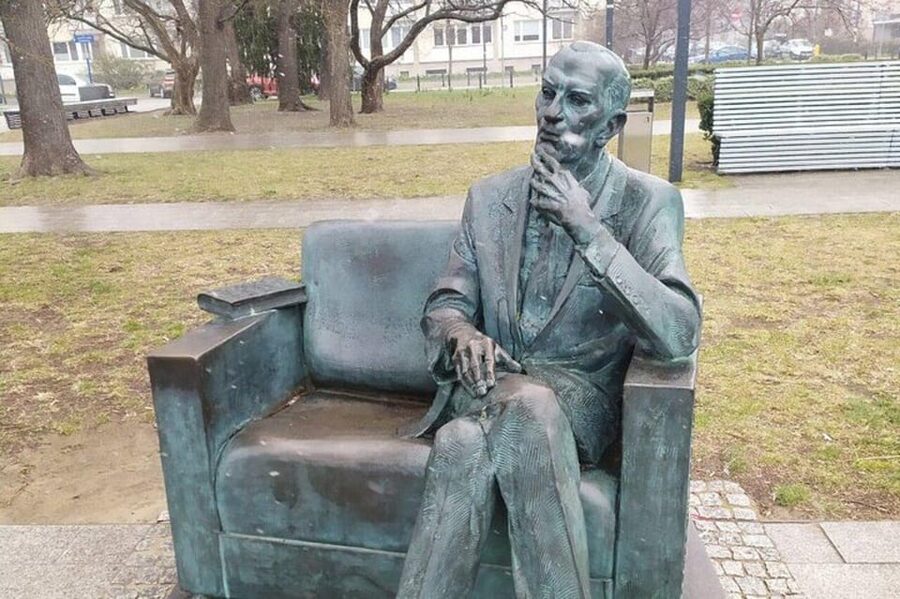
- Ringelblum Archive memorial: a poignant pause for the story of documentation and testimony
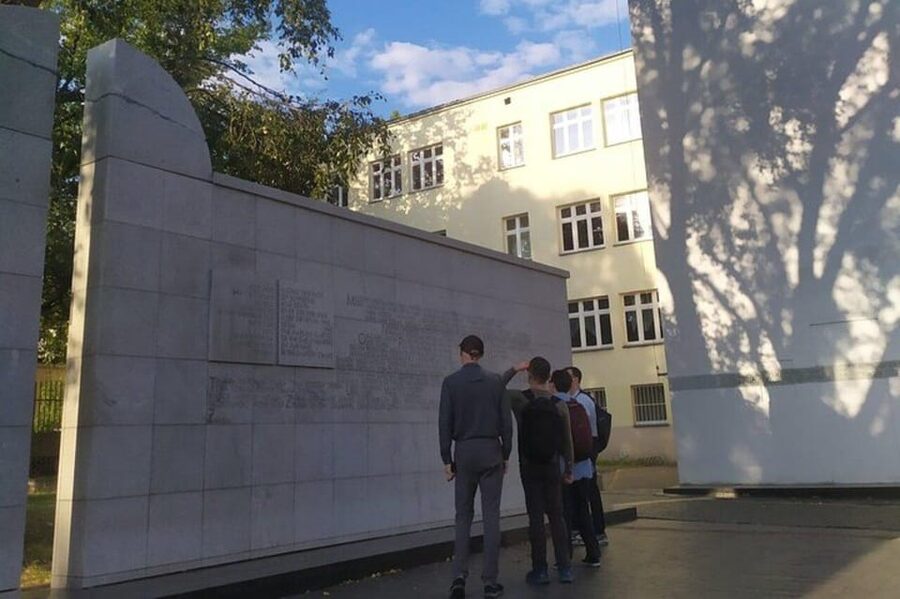
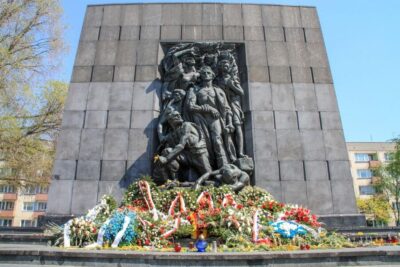
- Monuments to resistance in the ghetto: reminders that survival also meant defiance
- Small-group pacing: enough time for explanations without turning into a long bus tour
A three-hour walk that links nearly 1,000 years of Jewish Warsaw
Warsaw’s Jewish story doesn’t start in WWII. It stretches back about 1,000 years, with periods of growth, community life, and culture—then a collapse that changed the city forever. This tour gives you that arc without turning it into a textbook. It moves from early settlement and expansion to the ghetto’s destruction, then closes with the quiet renaissance you can see in today’s Jewish community.
I also like how the tour doesn’t treat WWII as a single, flat tragedy. It explains the logic behind the Jewish Uprising in 1943, including the painful fact that participants knew they would fail. That adds context to the monuments and memorials you see later. You end up understanding why those sites exist—not just what they commemorate.
Further into Jewish Warsaw, the Ghetto and POLIN
- Warsaw: POLIN Museum of the History of Polish Jews Ticket★ 4.7 · 1,142 reviews
- Private Tour: Warsaw’s Jewish Heritage by Retro Fiat★ 5.0 · 208 reviews
- Warsaw: Ghetto, Jewish Cemetery & POLIN Museum Private Tour★ 4.8 · 132 reviews
Getting started at Sienna 53, then walking 4.5–5 km in an efficient loop
The walk begins at Sienna 53. The practical detail that makes life easier: you meet in front of a Baguette Mi restaurant and look for a guide holding a white and green umbrella. That matters when you arrive in a new city and want to get started fast.
Plan on roughly 3 hours and about 4.5–5 km total distance. The stops are spaced so you’re not constantly rushing, but you are moving. The tour is also not recommended if you have problems with walking long distances, so I’d treat the route as a real walking day, not a slow stroll.
One more helpful point: entry fees for specific places aren’t bundled. The guide’s role is to show you the key sites and provide context, and then you decide whether to pay for entry at the places that charge.
Nożyk Synagogue: seeing a survivor you can still visit
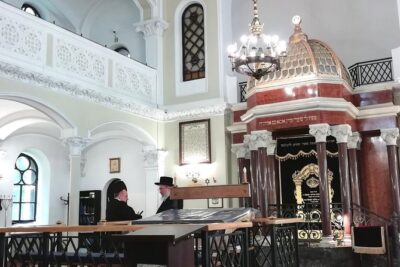
You’ll start your historical spotlight at Nożyk Synagogue. This is a big moment on the tour because the synagogue is described as the only one in Warsaw that survived the war and remains standing today. That single fact changes how you experience everything else.
A survivor building isn’t just a backdrop. It’s a living link between pre-war community life and what came after. Even with a short guided segment (about 15 minutes), the point lands: you’re not looking at a replica or a memorial-only site. You’re looking at a place that still exists.
Two practical considerations:
- Entry to the synagogue is not included, so your visit will depend on whether you choose to pay that extra fee.
- In a tour like this, the outside and immediate surroundings matter. Even if you don’t go in, the guide’s framing helps you understand why the building is so significant.
Hala Mirowska and the Muranów area: learning the geography of the ghetto
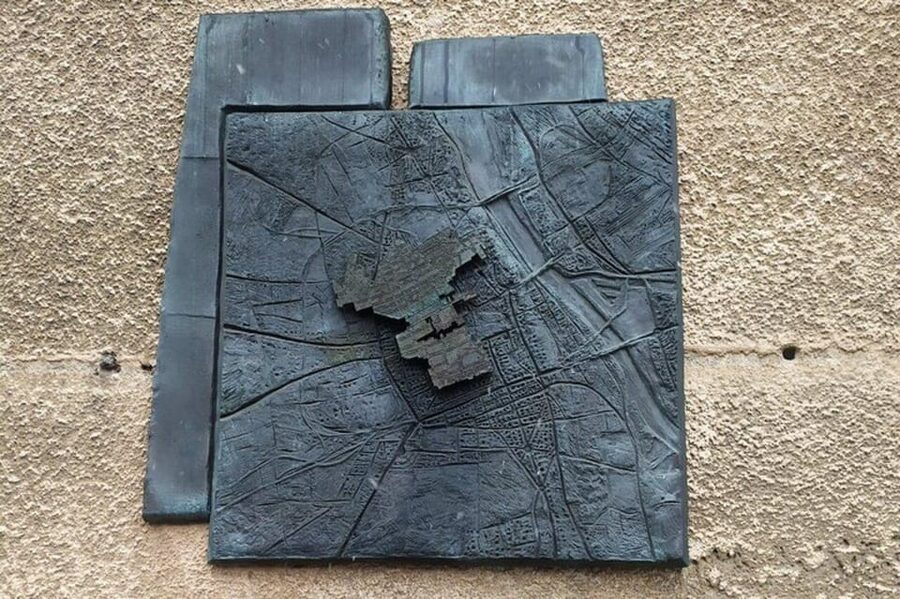
From there you head to Hala Mirowska for about 10 minutes. The goal here isn’t to park you in one museum-like stop. It’s to help you understand where things were and how daily spaces relate to the events that followed.
Then comes Muranów, with about 30 minutes on the ground. This is one of the places where the tour’s focus on what remains today becomes very real. In this area you’ll see one of the few remaining parts of the ghetto wall. That’s the kind of detail that makes history feel less abstract. A wall fragment forces your brain to picture confinement with physical scale.
Also, Muranów is where the tour’s story of expansion and later destruction starts to feel personal. Warsaw’s Jewish population once included a huge share of the city. The tour uses that contrast—before and after—to help you grasp why the loss was not only tragic, but city-changing.
Ringelblum Archive remembrance: why testimony mattered during the worst time
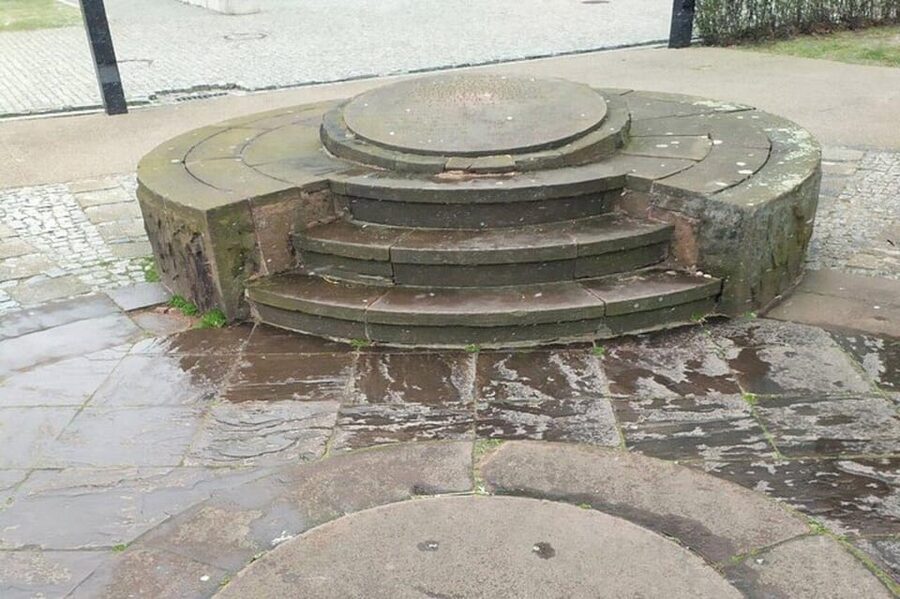
Next you’ll visit the Upamiętnienie Archiwum Ringelbluma (the Ringelblum Archive memorial) for about 10 minutes. This stop is different from a standard marker. The Ringelblum Archive is tied to the idea that people tried to preserve evidence—messages, records, and witness—so the truth wouldn’t vanish.
What I like about including this memorial is the shift in tone. After learning about transports and confinement, you’re reminded that individuals still tried to do something purposeful: document what was happening. It’s not comfort. It’s meaning, and it helps explain why certain commemorations focus on memory and records rather than only dates.
You’ll also be in the right mental space for the next segments, where the tour turns from the idea of witness to the reality of what happened in the streets and buildings.
On foot through Warsaw: more guided walks


Miła 18: connecting addresses to the human scale of WWII
You’ll stop at Miła 18 for about 10 minutes. This is the kind of site that can look ordinary if you rush past it on your own. On a guided walk, it becomes a specific point in the story—an address that helps you picture how people lived, hid, and suffered in a confined city.
I find stops like Miła 18 valuable because they help you avoid a common trap: thinking of the ghetto as one big event happening to a faceless group. When you place events at a real location, the story gains weight. It also gives you a framework for reading memorials later.
If you want to get the most from this part, don’t treat it like a photo-op. Listen for how the guide connects that address to the broader pattern of ghetto life and destruction.
POLIN Museum history overview: context before you pay to go in
The tour includes a guided segment at POLIN Museum of the History of Polish Jews for about 10 minutes. Since entry is not included, you should treat this stop as orientation. You’ll likely get historical context and a sense of what the museum covers, which can help you decide whether it’s worth your time (and ticket) later.
For me, this is a smart pacing choice. A short, guided museum-area stop can prevent you from planning blind. If you already know you want the deeper museum experience, the tour helps you pick what to focus on.
If you’re debating whether to add museum entry on your own, use this logic: the walk gives you key exterior sites tied to WWII and Jewish Warsaw’s evolution. The POLIN Museum is where you can expand with indoor exhibits, at your own pace, once you’ve got the mental map from the tour.
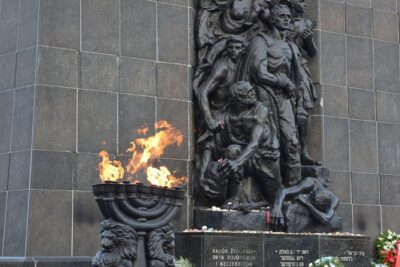
Pomnik Umschlagplatz: where 300,000 Jews were transported to Treblinka
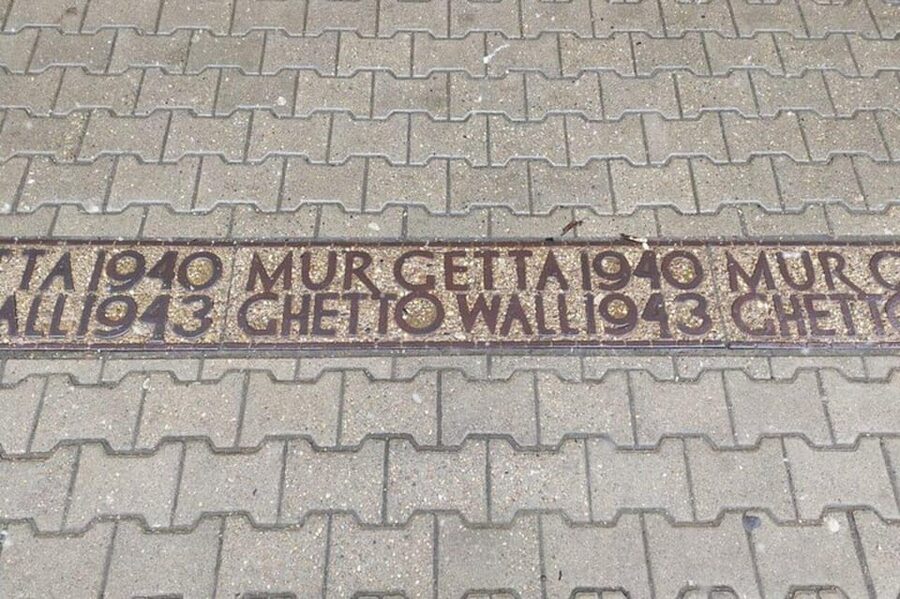
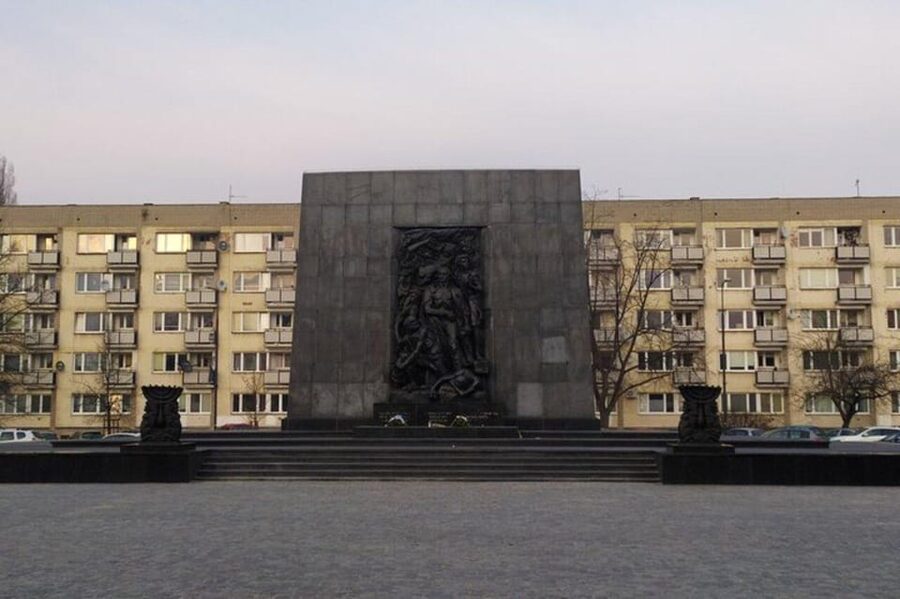
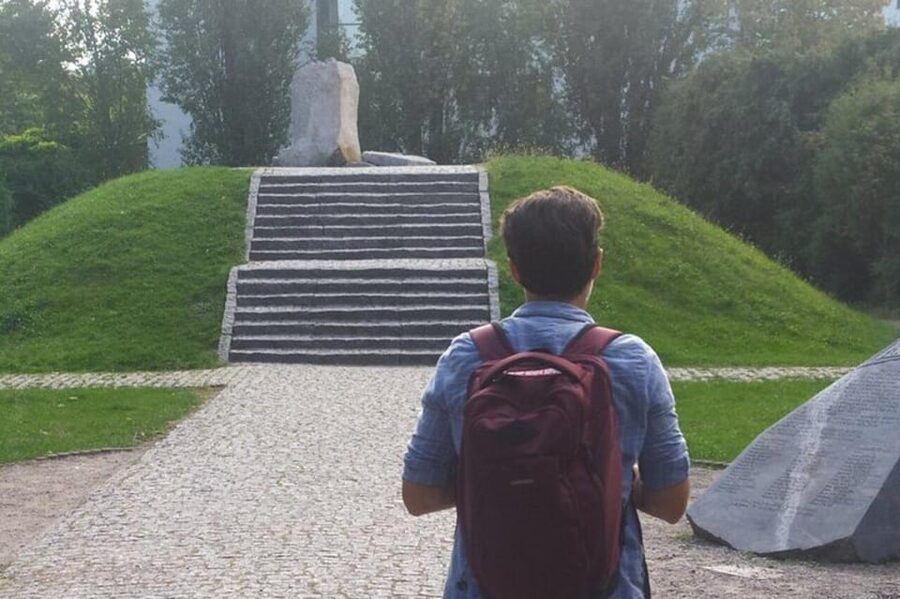
The walk finishes at Pomnik Umschlagplatz. This is the emotional endpoint of the route, tied to the place from where 300,000 Jews were transported to Treblinka. It’s difficult subject matter, and the guide’s explanations matter here because the site itself is a reminder of how deportations were carried out with terrible efficiency.
This is also where the tour’s theme of continuity and present-day presence comes full circle. Earlier stops focus on surviving structures, wall fragments, and memorials. Ending at Umschlagplatz reinforces what those objects and markers are pointing toward.
If you want to be ready for this ending, keep your expectations clear: this isn’t a light sightseeing finish. The payoff is understanding, not comfort.
Why the guide makes this tour worth $32
At $32 per person for about 3 hours, you’re paying for more than movement between stops. You’re paying for an organized, emotionally intelligent narrative and a guide who can translate difficult history into something you can actually follow.
The strongest reviews you’ll see for this tour underline the guide’s delivery—especially the guide’s ability to keep the information gripping without turning it into a lecture. Oliwia is specifically praised for being fun to listen to, with strong intonation and humor, while still carrying detailed historical knowledge. One review highlights that her manner of explaining every detail is among the best the writer has seen. Another calls out her extensive knowledge and humor as a combination that makes the walk memorable.
That combination is not just a personal preference. In a tour about the ghetto, pacing and tone change how the information lands in your head. You want a guide who can handle sensitive material with clarity, and you want them to keep you engaged so you don’t mentally switch off halfway through.
Small group size and practical pacing: 10 people makes a difference
This tour runs as a small group limited to 10 participants. That size affects the experience more than you might think. With fewer people, it’s easier to hear explanations at each stop, and the guide can keep track of the group’s pace—important when you have short time segments at multiple locations.
You also get a helpful info layer:
- a full info pack about Warsaw prior to the tour, with FAQ and useful links
- visual aids during the walk
- recommendations for more places to visit and where to eat or drink afterward
That’s practical value. When you finish a tour like this, you often want to continue exploring. Having suggestions in your pocket helps you turn one guided afternoon into a fuller trip day.
What to watch for: walking day energy and entry decisions
There’s one key planning point: you’re walking 4.5–5 km in about 3 hours, with multiple stops. Wear comfortable shoes. Bring water if it’s warm. And expect to stand while listening, especially at memorial points.
Then there are entry decisions:
- Nożyk Synagogue entry fee isn’t included
- POLIN Museum entry fee isn’t included
So come in with a plan. If you want the full in-building experience, budget for those extra costs. If you don’t want to add time or tickets, the guided outdoor/memorial context still forms the backbone of the tour.
Who should book this Jewish Warsaw walking tour (and who should skip it)
This tour is a strong match if you want a guided walk that connects physical remnants—synagogue survival, ghetto wall fragments, memorials—with the larger historical story. It’s also a good fit if you like hearing history explained in an organized way, with a guide who can keep things clear and even lightly humorous without losing seriousness.
It’s less suitable if you:
- have issues with walking longer distances
- prefer self-guided tours where you can linger quietly without group pacing
- want a fully museum-based day with long indoor time (since the walk includes guided segments and doesn’t include entry fees)
Should you book? My decision checklist
If you want one efficient afternoon that gives you:
- a sense of how Jewish life took root and grew in Warsaw
- a grounded look at what survived WWII
- a final stop tied directly to deportations to Treblinka
- a guide who’s praised for keeping the story engaging (and yes, you’ll want that)
then book it. The $32 price feels fair for a 3-hour, small-group walk with guided interpretation, visual aids, and an info pack that supports the rest of your trip.
If you’re unsure, ask yourself this: do you want your Warsaw trip to include more than landmarks? If the answer is yes, this walk gives you a structured way to understand the city’s Jewish past and the quieter presence you can still find today.
FAQ
Where does the tour meet?
You meet at Sienna 53, in front of Baguette Mi. Look for the guide holding a white and green umbrella.
How long is the walking tour?
The tour lasts about 3 hours.
How far do you walk?
The total distance is approximately 4.5–5 km.
What stops are included?
The route includes Nożyk Synagogue, Hala Mirowska, Muranów, the Upamiętnienie Archiwum Ringelbluma, POLIN Museum of the History of Polish Jews, Miła 18, and it finishes at Pomnik Umschlagplatz.
Is entry to Nożyk Synagogue included?
No. Entry fee to the Nożyk Synagogue is not included.
Is entry to POLIN Museum included?
No. Entry fee to the POLIN Museum is not included.
What language is the tour in?
The tour is in English.
Is the tour wheelchair accessible?
Yes, it is listed as wheelchair accessible.
How big is the group?
The group is small, limited to 10 participants.
Is this tour recommended if I have limited walking ability?
It’s not recommended for travelers who have problems with walking long distances.
More Tours in Warsaw
- Warsaw: Old Town Highlights Walking Tour in English
★ 4.7 · 1,516 reviews - Warsaw: City Sightseeing Hop-On Hop-Off Bus Tour
★ 3.6 · 1,415 reviews - Warsaw: Polish Vodka Museum Tour with Tasting
★ 4.6 · 788 reviews - 3-Hour Guided Cycling Tour of Warsaw
★ 4.9 · 624 reviews
More Tour Reviews in Warsaw
- Warsaw: Chopin Concert in the Old Town
★ 4.8 · 2,287 reviews - Warsaw: Traditional Galar Cruise on The Vistula River
★ 4.6 · 1,640 reviews - Warsaw: Old Town Highlights Walking Tour in English
★ 4.7 · 1,516 reviews - Warsaw Concert: Chopin – Painted by Candlelights with Wine
★ 4.8 · 1,442 reviews
More of Jewish Warsaw and POLIN
- Warsaw: POLIN Museum of the History of Polish Jews Ticket
★ 4.7 · 1,142 reviews - Warsaw: Jewish History Guided Walking Tour in English
★ 4.7 · 324 reviews - Private Tour: Warsaw’s Jewish Heritage by Retro Fiat
★ 5.0 · 208 reviews - Warsaw: Ghetto, Jewish Cemetery & POLIN Museum Private Tour
★ 4.8 · 132 reviews
Fresh on the site: newer Warsaw reviews


Jewish Warsaw, Ghetto & POLIN: the other contenders.
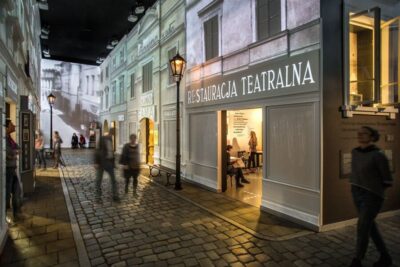 ★ 4.7POLIN Museum of the History of Polish Jews TicketFrom $121,142 reviews
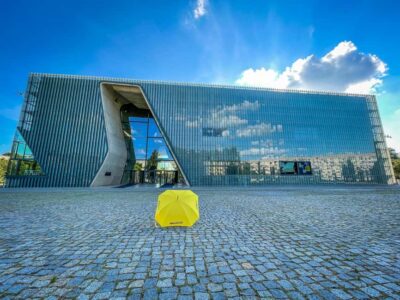 ★ 4.7Jewish History Guided Walking Tour in EnglishFrom $26324 reviews
 ★ 5.0Private Tour: Warsaw’s Jewish Heritage by Retro FiatFrom $108208 reviews
 ★ 4.8Ghetto, Jewish Cemetery & POLIN Museum Private TourFrom $112132 reviews
 ★ 4.7Jewish Heritage & Holocaust Walking TourFrom $20119 reviews
 ★ 5.0Tour of the Warsaw GhettoFrom $102119 reviews
 ★ 5.0Historical Walking Tour of Jewish WarsawFrom $2868 reviews
 ★ 4.9Jewish Heritage 4-Hour Private TourFrom $4226 reviews
Browse the lists this tour appears in