
Reviewed · JEWISH WARSAW, GHETTO & POLIN
Warsaw Daily Jewish Ghetto Guided Tour with Jewish Cemetery
One district, four square kilometers, forever changed. This 3-hour Warsaw Jewish Ghetto and cemetery tour takes you through Moranow with a licensed guide, tying the places you see today to the human story of WWII, the ghetto system, and the 1943 uprising. I love the small-group feel (up to 15 people), and I love that the tour anchors you in real locations like Nozyk Synagogue and the surviving traces of ghetto walls.
One thing to keep in mind: the cemetery stop depends on the day. On Saturdays, the Jewish Cemetery is closed, so the tour visits All Saints Church instead.
In This Review
- Key highlights at a glance
- Walking Moranow: where the Warsaw Ghetto lived
- The 3-hour rhythm: small group, big emotional weight
- Nozyk Synagogue: the one surviving prewar landmark
- Ghetto walls and old houses: the power of what’s still there
- WWII context without losing your footing
- How the guide shapes the experience (and why that matters)
- Jewish Cemetery vs All Saints Church: the Saturday switch
- Price and value: is $131 fair for 3 hours?
- Who this tour fits best (and who should consider alternatives)
- Should you book the Warsaw Jewish Ghetto + Cemetery tour?
- FAQ
- How long is the Warsaw Jewish Ghetto and Jewish Cemetery guided tour?
- What is the price per person?
- Where do I meet the guide?
- Is the tour group small?
- What language is the tour in?
- Does the tour include the Jewish Cemetery?
- Is the tour wheelchair accessible?
- Do you skip the ticket line?
- If you want, tell me your travel dates
Key highlights at a glance
- Small-group pacing (up to 15 people): more questions, less rushing, and a quieter way to take in heavy history.
- Moranow ghetto area in focus: you’ll walk the neighborhood that held Warsaw’s largest ghetto during WWII.
- Nozyk Synagogue stop: you get to see the only surviving prewar synagogue in Warsaw.
- Nazis, persecution, and the 1943 uprising: your guide connects the ghetto creation to Final Solution policy and the heroes of the uprising.
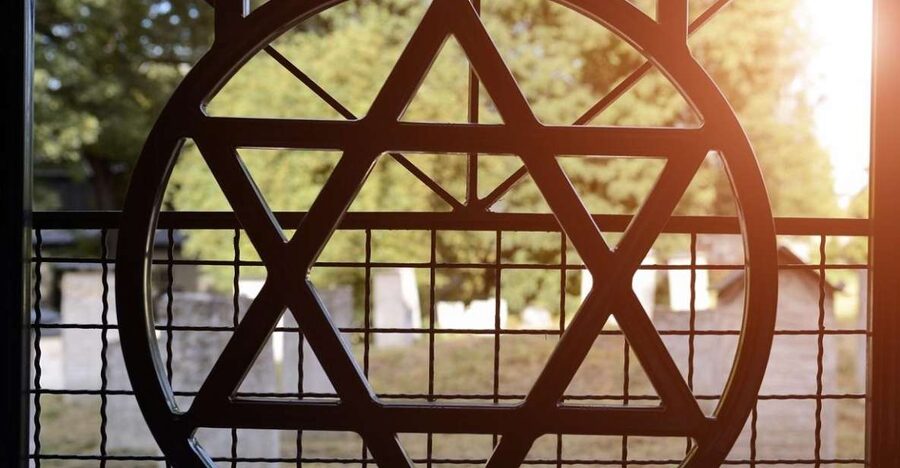
- Jewish Cemetery entry (with ticket included): meaningful time inside a place of memory; on Saturdays, the stop is swapped for All Saints Church.
- Practical start point: meet in front of the InterContinental Hotel (Emilii Plater 49) and don’t go inside—just meet the guide outside.
Walking Moranow: where the Warsaw Ghetto lived
The heart of this tour is Moranow, the part of Warsaw that became the main footprint of the city’s Jewish ghetto during World War II. You’re not looking at history behind glass. You’re walking through an area that once contained an impossible squeeze of people, space, and time.
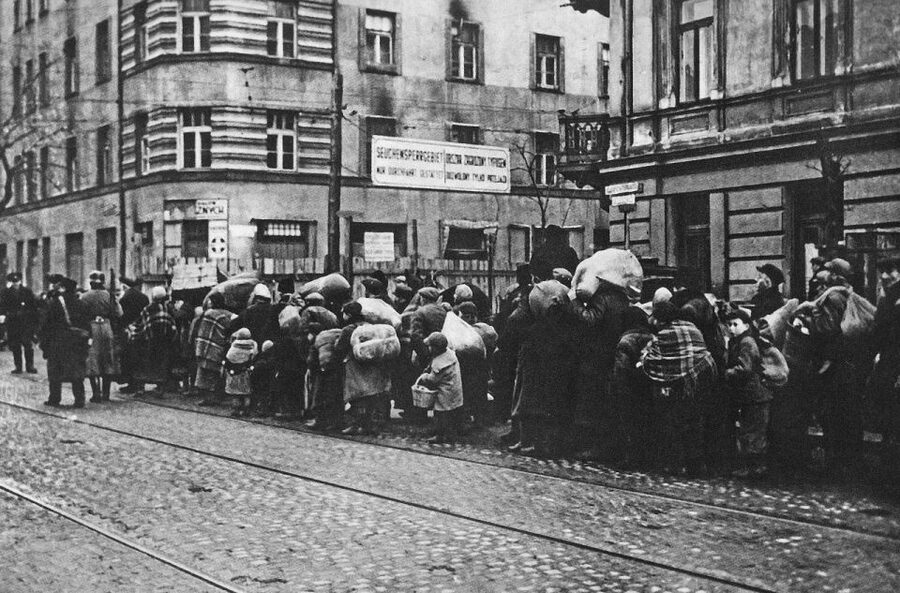
The tour frames the ghetto with specific numbers, because numbers explain how the system worked. The ghetto covered about four square kilometers. Around 400,000 Jews from Warsaw were forced into that closed area. Life there was shaped by hunger, exhaustion, disease, and constant fear. The tour also notes the tragic outcomes: roughly 100,000 people died in the ghetto, and more than 300,000 were killed at the nearby Treblinka extermination camp.
You don’t need to be a WWII expert to get value here. What you need is a guide who can translate the scale into something human. That’s where this format helps. A small group keeps the pace humane and lets you absorb one stop at a time instead of being swept along by a big crowd.
Further into Jewish Warsaw, the Ghetto and POLIN
- Warsaw: POLIN Museum of the History of Polish Jews Ticket★ 4.7 · 1,142 reviews
- Private Tour: Warsaw’s Jewish Heritage by Retro Fiat★ 5.0 · 208 reviews
- Warsaw: Ghetto, Jewish Cemetery & POLIN Museum Private Tour★ 4.8 · 132 reviews
The 3-hour rhythm: small group, big emotional weight
This is a 3-hour walking tour, with English as the listed language. That length is long enough to connect the dots—ghetto creation, daily persecution, resistance, and memory—without dragging you into “museum fatigue.”
Because the group tops out at 15 people, you can ask questions and get answers that match what you’re seeing outside the window, not what your guide said in a pre-scripted lecture. You’ll also get a calmer cadence than the larger group tours you may see in the city.
One practical tip: plan to arrive on time at the meeting point. The meeting point is in front of the InterContinental Hotel, Emilii Plater 49, 00-125 Warsaw. Don’t enter the hotel. If you’re late, you may miss the chance to join the tour.
Also, check your email the day before. This kind of tour often sends timing and last-minute guidance there, and you’ll want those details so your first stop goes smoothly.
Nozyk Synagogue: the one surviving prewar landmark
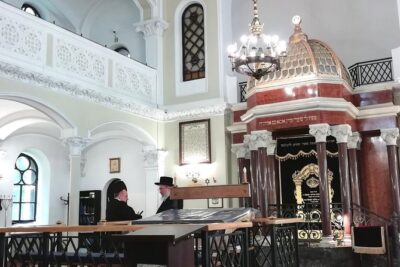
A standout moment on this tour is the stop at Nozyk Synagogue. Your guide points out why it matters: it is the only surviving prewar synagogue in Warsaw.
Even if you’ve never studied Jewish religious architecture, you’ll likely recognize the feeling here. A surviving prewar synagogue isn’t just a building. It’s a leftover piece of a community that was targeted for destruction. Seeing it on a walking route through ghetto grounds helps you connect the before-and-after in a way that photos can’t.
What I like about this stop is the way it breaks up the heavier parts of the route with something grounded in everyday religious life. It’s not a “recreation.” It’s a living reminder that Jewish life in Warsaw existed before the war and didn’t vanish overnight in people’s minds—it was interrupted, attacked, and fought for.
Ghetto walls and old houses: the power of what’s still there
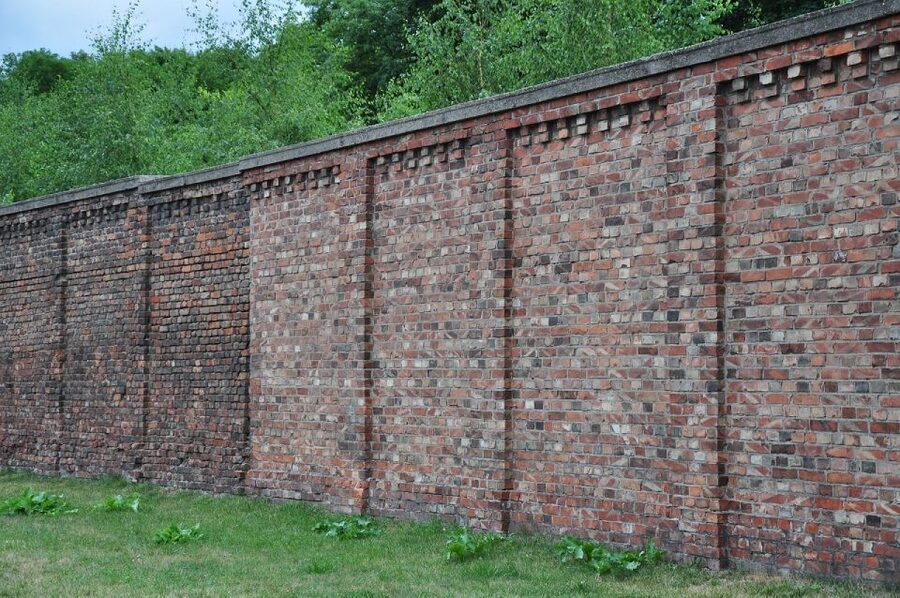
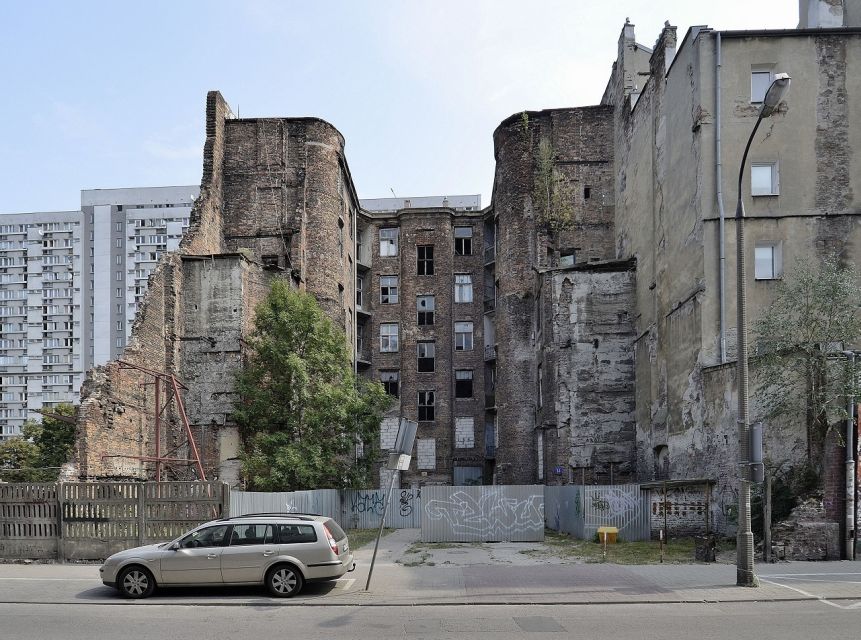
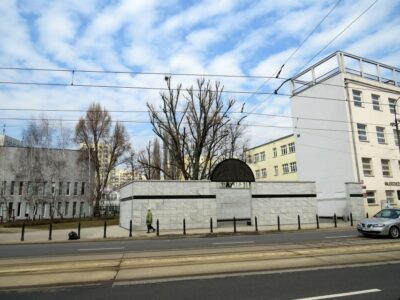
You’ll also see remains of the ghetto walls and old houses where people were forced to live. This is the part where good guiding makes all the difference.
From the outside, it’s easy to assume a neighborhood is just a neighborhood. This tour pushes you to look differently: notice how the physical layout connects to control. Notice what “closed area” means when you’re standing on the ground. Notice how the system depended on walls, policing, and confinement.
The guide is set up to explain how persecution evolved—how the ghetto system was created, how it fit into Nazi planning, and how the “Final Solution” policy targeted Europe’s Jewish population. As you walk, you’ll be able to connect those terms to streets and structures, which is what turns historical information into understanding.
And you’ll see the Moranow area as the tour explains it: not just a place where people lived, but a place the Nazis designed to break people down and concentrate them for deportation.
WWII context without losing your footing
A lot of tours use big history words. This one tries to keep your footing by connecting the timeline to what you’re seeing.
You’ll learn about:
- the creation of the ghetto, meaning the legal and physical steps that turned Warsaw into a controlled enclosure
- the Nazi plan leading into the Final Solution, explained in the context of occupied Poland
- the Holocaust and how it played out locally through systems like forced confinement and deportation
This matters because it’s easy to feel lost in the scale of WWII. What helps is your guide’s approach: linking major events to the local mechanism. It’s the difference between knowing what happened and understanding how it happened in this city.
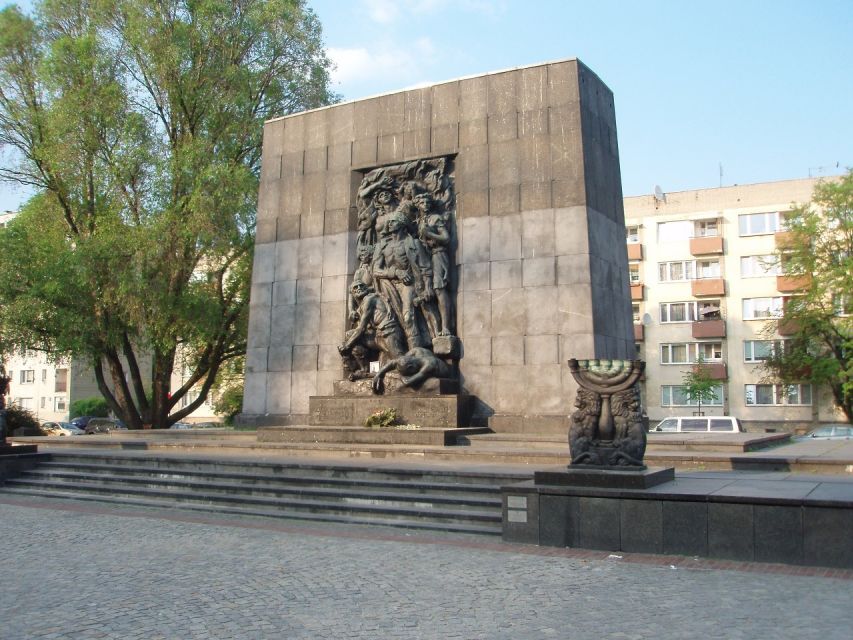
The tour also covers the Warsaw Ghetto Uprising of 1943, including the heroes associated with it. If you’ve heard of the uprising before, you’ll still find value here. You’ll get a clearer sense of why that resistance mattered in a setting built for total control and eventual mass murder.
More of Warsaw with a guide alongside


How the guide shapes the experience (and why that matters)
The quality here isn’t only in the sites. It’s in how the tour is guided.
The tour is led by a 5-Star History Expert-Guide / licensed guide (English). That combination is important for this topic, because the stakes are high. You want accuracy, clear explanation, and respect for the subject.
Names you may see connected with this tour include Anna and Ewa. They’re both described as personable and strong on connecting stories to events. You can also expect this kind of guide to add human-scale details—enough to make people feel real—without turning tragedy into drama.
As a traveler, I care about one thing most: can the guide help you walk away with understanding, not just dates? This tour is designed for that. The way the stops are sequenced—ghetto grounds, Nozyk Synagogue, then cemetery or church—helps you build a mental map from daily life to persecution to memory.
Jewish Cemetery vs All Saints Church: the Saturday switch
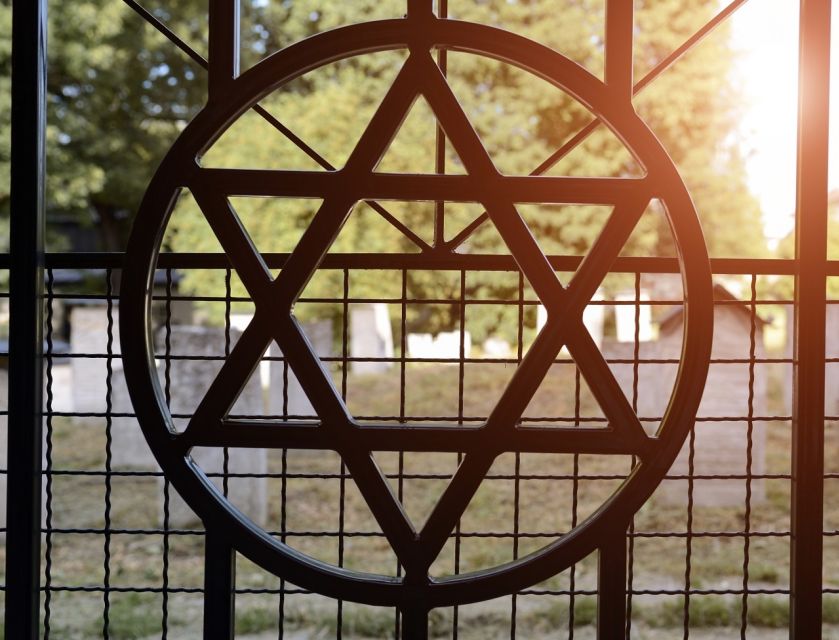
The tour ends with a visit to the Jewish Cemetery, including entrance tickets. This stop is where the tour shifts from explanation to remembrance.
You’ll step into the historic cemetery and learn stories tied to:
- Polish-Jewish spiritual leaders
- political activists
- creators of Jewish culture
- and the names of thousands of victims, alongside many unnamed people
This is a deeply reflective setting. It’s also a practical one. If you’re sensitive to silence and heavy emotion, give yourself a few minutes at the start to settle in.
Now, the key planning detail: the cemetery is closed on Saturdays. On those days, the tour visits All Saints Church instead. The tour frames it as closely related to Jewish history, and that matters because it prevents the tour from feeling like a “missed” stop. You still learn—just in a different setting.
There’s one more thing worth knowing from real-world experience: occasionally, the cemetery stop may not happen as expected. One booking notes they weren’t able to visit the cemetery. While Saturday closure is the clearly stated rule, you should still treat the cemetery visit as the primary plan and the church as the alternate when the cemetery isn’t available.
Price and value: is $131 fair for 3 hours?
At $131 per person for a 3-hour guided walking tour, the big question is value. You’re paying for four things that matter here:
1) A licensed, expert-level guide who can explain local WWII history clearly in English
2) A small group (up to 15), which is rare for this type of subject
3) Entry included for the Jewish Cemetery
4) A setup that reduces friction, like skipping the ticket line
If you compare it to doing this on your own, you’d still likely pay for cemetery entry and then spend time piecing together narratives from multiple sources. With a guide, you get the storyline built into the route. You don’t have to guess what you’re looking at, why it matters, or how each stop connects.
Is it a splurge? Sure, a bit. But for many travelers, it’s also a thoughtful price for a tour that turns a small footprint walk into a meaningful understanding of Warsaw’s Jewish experience in WWII.
Who this tour fits best (and who should consider alternatives)
This tour suits you if:
- you want a focused, guided route in a short timeframe
- you prefer small groups over large, noisy crowds
- you’re interested in how WWII unfolded in Warsaw’s Jewish community, including the ghetto and the 1943 uprising
- you want one clear ending point at the Jewish Cemetery (or All Saints Church on Saturdays)
It may feel like the wrong match if you:
- want a purely casual stroll with minimal historical context
- dislike walking through emotionally heavy sites
- expect a long museum-style experience with lots of indoor time (this is largely a walking tour)
Should you book the Warsaw Jewish Ghetto + Cemetery tour?
I think it’s a strong choice if you care about accuracy, place-based storytelling, and a small-group pace. The combination of Moranow ghetto grounds, Nozyk Synagogue, and the cemetery stop makes this more than a list of sites. It gives you a route that ties together everyday life, Nazi persecution, resistance in 1943, and the ways memory is kept.
Book it if you want to leave Warsaw with a clearer map in your head and a more grounded understanding of what happened here. If you’re traveling on a Saturday, go in knowing the cemetery will be replaced by All Saints Church, and you’ll still get a historically connected ending.
FAQ
How long is the Warsaw Jewish Ghetto and Jewish Cemetery guided tour?
The tour lasts 3 hours.
What is the price per person?
The price is $131 per person.
Where do I meet the guide?
Meet the guide in front of the InterContinental Hotel, Emilii Plater 49, 00-125 Warsaw. Do not enter the hotel.
Is the tour group small?
Yes. It’s a small group tour of up to 15 participants.
What language is the tour in?
The live tour guide is English.
Does the tour include the Jewish Cemetery?
Yes, it includes the Jewish Cemetery with entrance tickets included. On Saturdays, the cemetery is closed and the tour visits All Saints Church instead.
Is the tour wheelchair accessible?
Yes, the tour is listed as wheelchair accessible.
Do you skip the ticket line?
Yes, the tour includes skip-the-ticket-line.
If you want, tell me your travel dates
If you share your day of the week, I can help you plan what to expect from the cemetery vs All Saints Church timing and how to structure the rest of your day in Warsaw around this tour.
More Tours in Warsaw
- Warsaw: Old Town Highlights Walking Tour in English
★ 4.7 · 1,516 reviews - Warsaw: City Sightseeing Hop-On Hop-Off Bus Tour
★ 3.6 · 1,415 reviews - Warsaw: Polish Vodka Museum Tour with Tasting
★ 4.6 · 788 reviews - 3-Hour Guided Cycling Tour of Warsaw
★ 4.9 · 624 reviews
More Tour Reviews in Warsaw
- Warsaw: Chopin Concert in the Old Town
★ 4.8 · 2,287 reviews - Warsaw: Traditional Galar Cruise on The Vistula River
★ 4.6 · 1,640 reviews - Warsaw: Old Town Highlights Walking Tour in English
★ 4.7 · 1,516 reviews - Warsaw Concert: Chopin – Painted by Candlelights with Wine
★ 4.8 · 1,442 reviews
More of Jewish Warsaw and POLIN
- Warsaw: POLIN Museum of the History of Polish Jews Ticket
★ 4.7 · 1,142 reviews - Warsaw: Jewish History Guided Walking Tour in English
★ 4.7 · 324 reviews - Private Tour: Warsaw’s Jewish Heritage by Retro Fiat
★ 5.0 · 208 reviews - Warsaw: Ghetto, Jewish Cemetery & POLIN Museum Private Tour
★ 4.8 · 132 reviews
Fresh on the site: newer Warsaw reviews


Jewish Warsaw, Ghetto & POLIN: the other contenders.
 ★ 4.7POLIN Museum of the History of Polish Jews TicketFrom $121,142 reviews
 ★ 4.7Jewish History Guided Walking Tour in EnglishFrom $26324 reviews
 ★ 5.0Private Tour: Warsaw’s Jewish Heritage by Retro FiatFrom $108208 reviews
 ★ 4.8Ghetto, Jewish Cemetery & POLIN Museum Private TourFrom $112132 reviews
 ★ 4.7Jewish Heritage & Holocaust Walking TourFrom $20119 reviews
 ★ 5.0Tour of the Warsaw GhettoFrom $102119 reviews
 ★ 5.0Historical Walking Tour of Jewish WarsawFrom $2868 reviews
 ★ 4.9Jewish Heritage 4-Hour Private TourFrom $4226 reviews
Browse the lists this tour appears in