
Reviewed · JEWISH WARSAW, GHETTO & POLIN
Private Tour: Warsaw Ghetto with a local Historian
Walk into a history lesson.
This private tour takes you through the Warsaw Ghetto area with a local historian guide born and raised there, so the story comes out human, not textbook. You’ll move between major sites tied to deportations and resistance, then end with a drive through Praga Północ where film history overlaps with the modern city.
I love how this tour builds understanding in the right order, starting with Umschlagplatz and then moving to memorial places like Mila 18 and the ghetto wall fragment. I also like the practical touches for a 3-hour experience: pickup anywhere in Warsaw and bottled water to keep you comfortable during reflective stops.
One thing to consider: the subject matter is extremely heavy, and the format includes walking and standing for short segments at multiple sites. If you prefer minimal walking, ask about options that reduce it when you book.
In This Review
- Key moments that make this tour worth your time
- Why this Warsaw Ghetto experience feels different
- The guide matters: local historians (Paulina and Art)
- Stop-by-stop: Umschlagplatz to Mila 18 to the POLIN area
- Stop 1: Umschlagplatz
- Stop 2: Memorial at Mila 18 (Mordehai Anielewicz bunker)
- Stop 3: POLIN Muzeum Historii Zydow Polskich area walk
- A respectful tip that helps
- The fragment of ghetto wall: understanding the geography
- Praga Północ drive: seeing The Pianist connection in real streets
- Time, walking, and getting around without stress
- Price and value: what you’re paying for (and when it’s worth it)
- Who should book this tour (and who might want something else)
- Should you book this Warsaw Ghetto private tour?
- FAQ
- How long is the Warsaw Ghetto with a local historian private tour?
- How many people are in a group?
- Is the tour offered in English?
- Do you offer pickup and drop-off in Warsaw?
- Are tickets or admission included for the stops?
- Does the tour provide bottled water?
- What is the cancellation policy?
Key moments that make this tour worth your time

- A historian guide with local roots who can explain what you’re seeing in plain, personal terms
- Umschlagplatz in context: the railway station linked to deportations to Treblinka
- Mila 18 and Mordehai Anielewicz: resistance history at a preserved memorial site
- A focused, respectful stop at the ghetto wall fragment so you can understand the geography
- Praga Północ drive by The Pianist filming locations for how stories live on in the city
Why this Warsaw Ghetto experience feels different
There’s “seeing” and then there’s understanding. This tour is built for the second one. You’re not just looking at plaques. You’re walking through a map of decisions, fear, resistance, and survival, guided by someone who grew up with the place and knows how to connect names to locations.
The biggest value for me is pacing. The stops are short but meaningful, so you don’t burn out halfway through. You leave with a clearer sense of where events happened and how the city’s layout shaped what people could do.
And because it’s private, you’re not stuck with a pace that suits someone else. If you want to linger at a memorial moment, you usually can.
Further into Jewish Warsaw, the Ghetto and POLIN
- Warsaw: POLIN Museum of the History of Polish Jews Ticket★ 4.7 · 1,142 reviews
- Private Tour: Warsaw’s Jewish Heritage by Retro Fiat★ 5.0 · 208 reviews
- Warsaw: Ghetto, Jewish Cemetery & POLIN Museum Private Tour★ 4.8 · 132 reviews
The guide matters: local historians (Paulina and Art)
This kind of tour lives or dies on commentary, not just on location. The guides associated with this experience—such as Paulina and Art—are repeatedly praised for being communicative, flexible, punctual, and genuinely engaged. One group also highlighted how a guide’s humor and intelligence helped them stay steady while still respecting the topic.
What I’d watch for with any ghetto tour is whether the guide can explain:
- what each site meant at the time
- how the city’s layout connects the story
- which details to pay attention to when you’re standing there in silence
Here, you get that kind of interpretation. The local-historian angle is the real differentiator: the explanations tend to sound grounded and specific, like someone is handing you context, not just reciting dates.
Stop-by-stop: Umschlagplatz to Mila 18 to the POLIN area
Stop 1: Umschlagplatz
Your tour starts at Umschlagplatz, the railway station area tied to deportations, including the first Jews transported to Treblinka. The time here is brief (about 5 minutes), so treat it like a fast orientation checkpoint rather than a long museum moment.
What to do here: look at the ground layout and imagine the movement. The rail connection is the key idea. When a historian frames it properly, you start to understand why this location is so central to the story.
The trade-off: because the time is short, you won’t get every detail on every angle. If you love deep, lingering research, you may want to plan a separate follow-up visit later.
Stop 2: Memorial at Mila 18 (Mordehai Anielewicz bunker)
Next comes the Mila 18 memorial, connected to Mordehai Anielewicz and the bunker site. This stop lasts about 10 minutes, which is enough for a focused understanding of resistance without turning it into a rushed photo stop.
Why this moment hits: it shifts the narrative from forced movement to the decision to resist and fight back—even when the odds were impossible. The guide’s job here is to connect the symbolism to the physical place, so you don’t miss what the memorial is trying to honor.
Just your group: more private Warsaw tours


Stop 3: POLIN Muzeum Historii Zydow Polskich area walk
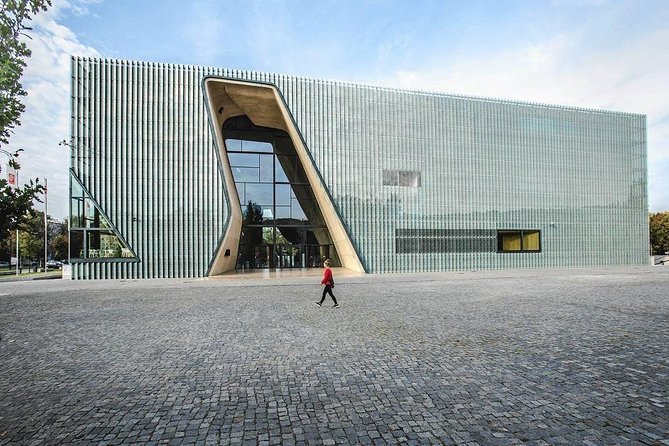
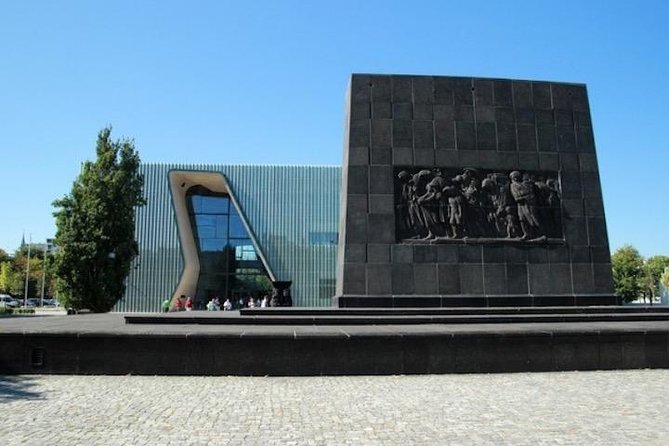
Then you walk around the POLIN Museum area and see important nearby monuments, spending about 30 minutes. This is not described as a full, ticketed museum visit. Instead, it’s more like a guided route around key points in the surrounding area.
Why it works: you get the broader setting around Poland’s Jewish history without spending the entire tour inside. For many people, that’s a great way to get oriented fast.
The possible drawback: if your goal is a thorough, inside look at major museum galleries, this stop may feel a bit short. Think of it as a “start here and then go deeper on your own” moment.
A respectful tip that helps
This tour includes powerful memorial sites, so keep your phone ready but use it intentionally. I find it helps to take a quick photo or two, then put the camera away and listen fully during the guide’s framing.
The fragment of ghetto wall: understanding the geography
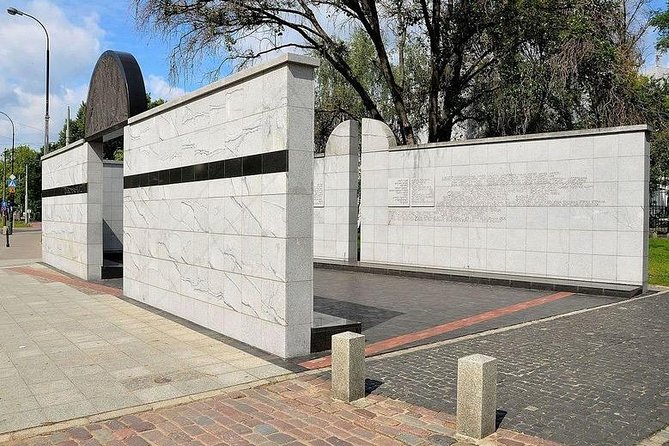
A highlight stop is the fragment of ghetto wall, where you spend about 20 minutes. This is one of those locations where the city stops being abstract and becomes physical. You can see how confinement was built into the streets and how barriers shaped movement, risk, and survival.
What I recommend you look for: don’t only focus on the wall itself. Focus on what the wall implies—where people could go, where they couldn’t, and why certain areas became critical.
Because the stop is long enough for explanation (not just a quick glance), you’re more likely to walk away with a mental picture of the ghetto’s boundaries instead of a list of names.
Praga Północ drive: seeing The Pianist connection in real streets
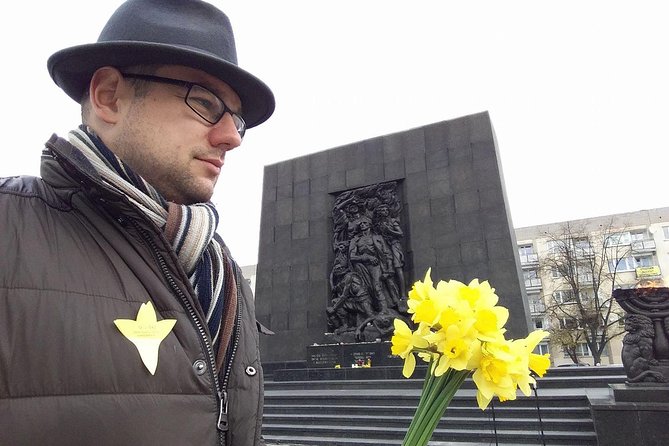
The tour ends with a drive through Praga Północ for about 30 minutes. This part ties the history to how the story has been remembered in film—specifically, moments from Roman Polanski’s The Pianist.
Why this is useful: modern Warsaw isn’t frozen in time. A drive segment helps you recognize that you’re not walking in a reenactment set—you’re moving through today’s city with history layered underneath.
What to expect: you’ll likely get a few key viewpoint explanations rather than long stops. It’s a good closing act because it turns “where it happened” into “how it lives on,” visually and culturally.
Time, walking, and getting around without stress
The tour runs about 3 hours. That’s a sweet spot: long enough to understand the flow of events and the significance of multiple sites, but not so long that you feel scattered or exhausted.
Logistics are also handled for you:
- pickup and drop-off anywhere in Warsaw
- mobile ticket
- bottled water provided
- English-speaking guide
Group size is described in more than one way. The price is listed per group up to 4, while the highlights mention intimacy for up to six. In practice, you’ll want to confirm the exact cap at booking so you know what “private” will feel like.
One more practical note from real-world experience: one group upgraded to include a driver, which helped reduce walking. If you’re traveling with mobility constraints or you just know you don’t want to spend extra time on your feet, it’s worth asking what options exist when you book.
Price and value: what you’re paying for (and when it’s worth it)
At $321.68 per group (up to 4), the math depends on how many people you split it with.
- If you’re 4 people, it can work out to roughly $80 per person for a private, guided, multi-stop experience.
- If you’re 2 people, it becomes closer to $160 per person.
So what makes it feel like value at either rate?
- A local historian guide who brings interpretation, not just directions.
- Private pacing at sites that deserve attention.
- Transportation included via pickup and drop-off anywhere in Warsaw.
- Time used well—you’re guided between major points instead of trying to stitch the story together with maps and random stops.
Also, this is one of those tours where learning can save you time later. If you get a clear framework during the 3 hours, you often won’t feel as lost if you return to the area on your own afterward.
Who should book this tour (and who might want something else)
This is a strong choice if:
- you want a private, structured route through key ghetto locations
- you care about interpretation and context, not just photos
- you prefer having someone handle logistics and timing
- you’re traveling in English and want a guide who can explain with care
You might consider another setup if:
- you want a long, slow museum-heavy day (since the POLIN portion here is an area walk, not described as a full museum session)
- you’re expecting zero walking time between stops (there is walking and standing, even if each segment is short)
Should you book this Warsaw Ghetto private tour?
If your goal is to leave Warsaw with a grounded understanding of the ghetto’s story—starting at deportation-linked locations, then moving through resistance memorials, and finishing with an urban context drive—this tour makes sense. The price isn’t “cheap,” but for a private historian, pickup anywhere in the city, and a tight 3-hour sequence, it often becomes cost-effective once you split it with your group.
My decision rule is simple: if you want someone to guide your attention, book this. If you just want a quick look and you’re comfortable building the context yourself, you might find a more self-guided option cheaper. But for most people, the presence of a local historian is what turns the visit from information into understanding.
FAQ
How long is the Warsaw Ghetto with a local historian private tour?
It’s approximately 3 hours.
How many people are in a group?
The price is per group up to 4, and the tour highlights also mention an intimate experience for up to 6. Confirm the exact group cap at booking.
Is the tour offered in English?
Yes, the tour is offered in English.
Do you offer pickup and drop-off in Warsaw?
Yes. Pickup and drop-off can be arranged anywhere in Warsaw.
Are tickets or admission included for the stops?
The stops listed show admission tickets as free at Umschlagplatz, Mila 18, the POLIN area, and the fragment of ghetto wall.
Does the tour provide bottled water?
Yes, bottled water is provided.
What is the cancellation policy?
You can cancel for a full refund up to 24 hours in advance. If you cancel less than 24 hours before the start time, the amount paid is not refunded.
More Tours in Warsaw
- Warsaw: Old Town Highlights Walking Tour in English
★ 4.7 · 1,516 reviews - Warsaw: City Sightseeing Hop-On Hop-Off Bus Tour
★ 3.6 · 1,415 reviews - Warsaw: Polish Vodka Museum Tour with Tasting
★ 4.6 · 788 reviews - 3-Hour Guided Cycling Tour of Warsaw
★ 4.9 · 624 reviews
More Tour Reviews in Warsaw
- Warsaw: Chopin Concert in the Old Town
★ 4.8 · 2,287 reviews - Warsaw: Traditional Galar Cruise on The Vistula River
★ 4.6 · 1,640 reviews - Warsaw: Old Town Highlights Walking Tour in English
★ 4.7 · 1,516 reviews - Warsaw Concert: Chopin – Painted by Candlelights with Wine
★ 4.8 · 1,442 reviews
More of Jewish Warsaw and POLIN
- Warsaw: POLIN Museum of the History of Polish Jews Ticket
★ 4.7 · 1,142 reviews - Warsaw: Jewish History Guided Walking Tour in English
★ 4.7 · 324 reviews - Private Tour: Warsaw’s Jewish Heritage by Retro Fiat
★ 5.0 · 208 reviews - Warsaw: Ghetto, Jewish Cemetery & POLIN Museum Private Tour
★ 4.8 · 132 reviews
Fresh on the site: newer Warsaw reviews


Jewish Warsaw, Ghetto & POLIN: the other contenders.
 ★ 4.7POLIN Museum of the History of Polish Jews TicketFrom $121,142 reviews
 ★ 4.7Jewish History Guided Walking Tour in EnglishFrom $26324 reviews
 ★ 5.0Private Tour: Warsaw’s Jewish Heritage by Retro FiatFrom $108208 reviews
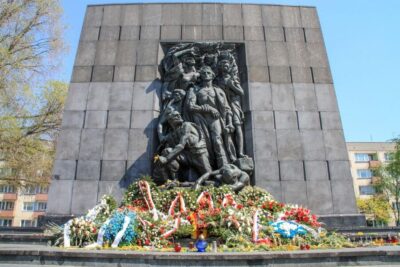 ★ 4.8Ghetto, Jewish Cemetery & POLIN Museum Private TourFrom $112132 reviews
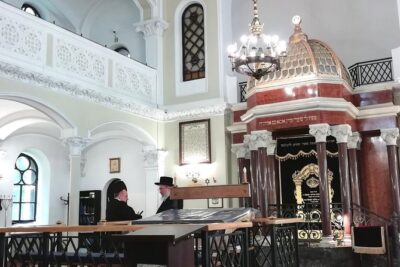 ★ 5.0Tour of the Warsaw GhettoFrom $102119 reviews
 ★ 4.7Jewish Heritage & Holocaust Walking TourFrom $20119 reviews
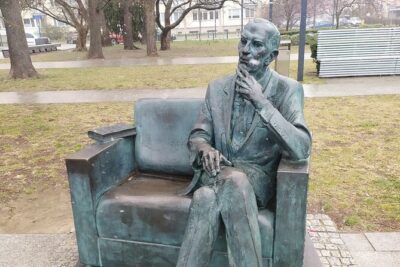 ★ 5.0Historical Walking Tour of Jewish WarsawFrom $2868 reviews
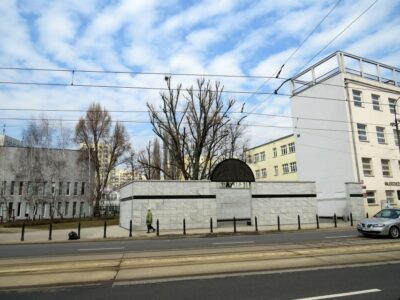 ★ 4.9Jewish Heritage 4-Hour Private TourFrom $4226 reviews
Browse the lists this tour appears in