
Reviewed · JEWISH WARSAW, GHETTO & POLIN
Warsaw: 2-Hour Tour of Daily Life in the Ghetto Warsaw
Warsaw’s walls still talk. I like how this tour keeps the focus on daily life in the Warsaw Ghetto and pins the story to real surviving places, including the Mila 18 area, guided by Marzena with clear, detailed explanations. You also get a “real places, real consequences” route that connects documents, resistance, and punishment without turning it into a vague lesson.
One possible drawback: this is a solemn, on-foot route with stops at sites tied to deportations and the 1943 uprising, so it’s not the kind of walk you’ll want to rush through while chatting. You’ll also usually end at the Museum of the History of Polish Jews, which means planning a bit of extra time if you want more than the quick pass.
In This Review
- Key points before you go
- Walking Warsaw’s Ghetto Footprint in Two Hours
- Last Preserved Streets, Ghetto Wall Remains, and the Surviving Synagogue
- Mila 18, the Footbridge on Chłodna Street, and the Bunker at 18 Miła
- Umschlagplatz and the Monument Symbolism
- Oneg Shabbat and the Underground Archive That Reached UNESCO Memory
- Guide Approach, Headsets, and What Marzena Adds
- Price and Value: Is $76 Worth a 2-Hour Ghetto Tour?
- Plan Your Add-On Time at the Museum of the History of Polish Jews
- Should You Book This Warsaw Ghetto Daily Life Tour?
- FAQ
- How long is the Warsaw Ghetto daily life tour?
- What is the price?
- Is the tour mostly walking, or do you use transport?
- What’s included in the tour price?
- Are entrance fees included?
- Does the tour include the Museum of the History of Polish Jews?
- What languages is the tour offered in?
- Is it suitable for children?
- Where do I meet the guide?
- What items are not allowed during the tour?
- Is there a cancellation option and pay-later booking?
Key points before you go
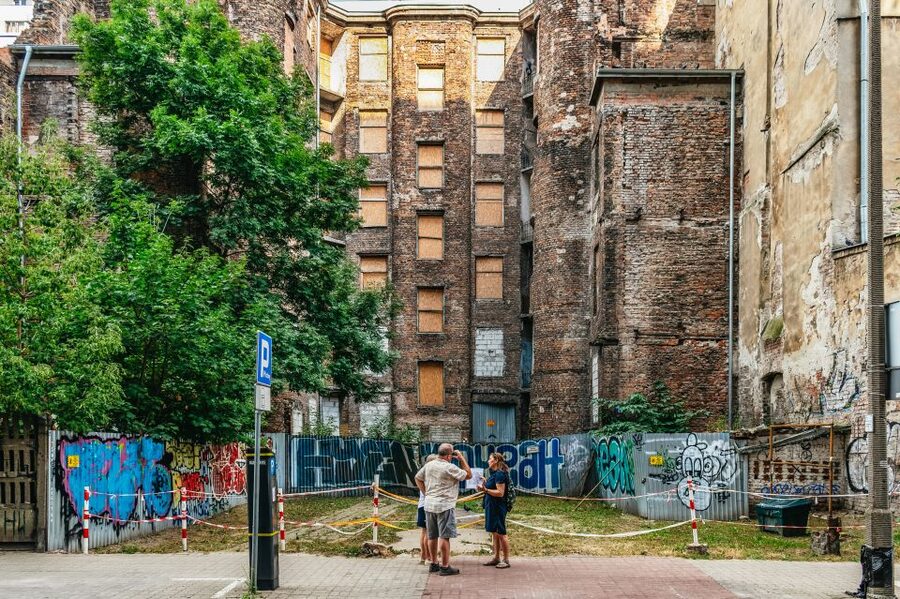
- Preserved street + ghetto wall remains: you can actually see the kind of tight, enclosed space people were forced to live in
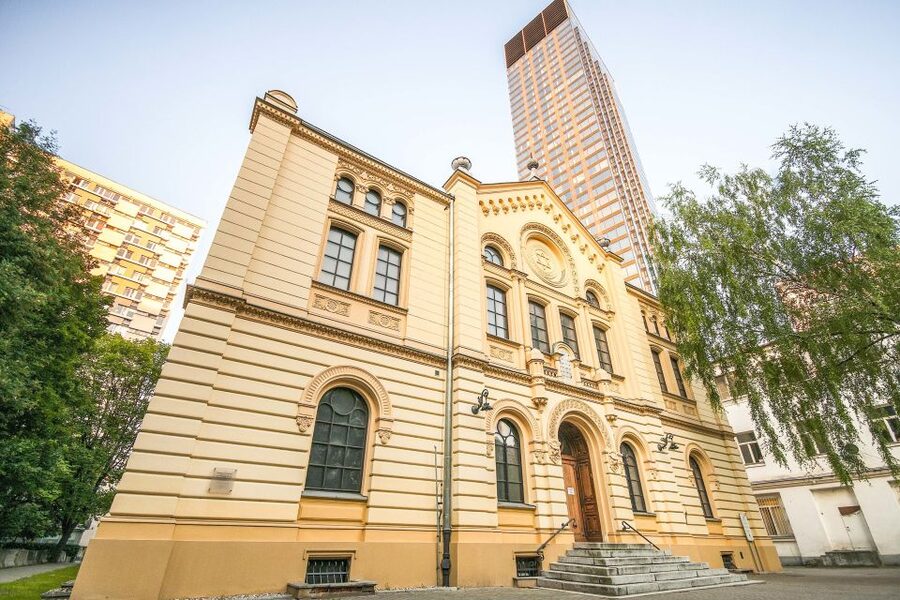
- The only synagogue that survived: a rare survivor amid near-total destruction
- Mila 18 and the bunker at 18 Miła Street: the uprising story becomes specific, not abstract
- Footbridge over Chłodna Street (former location): a small spot with big meaning in how people tried to move and survive
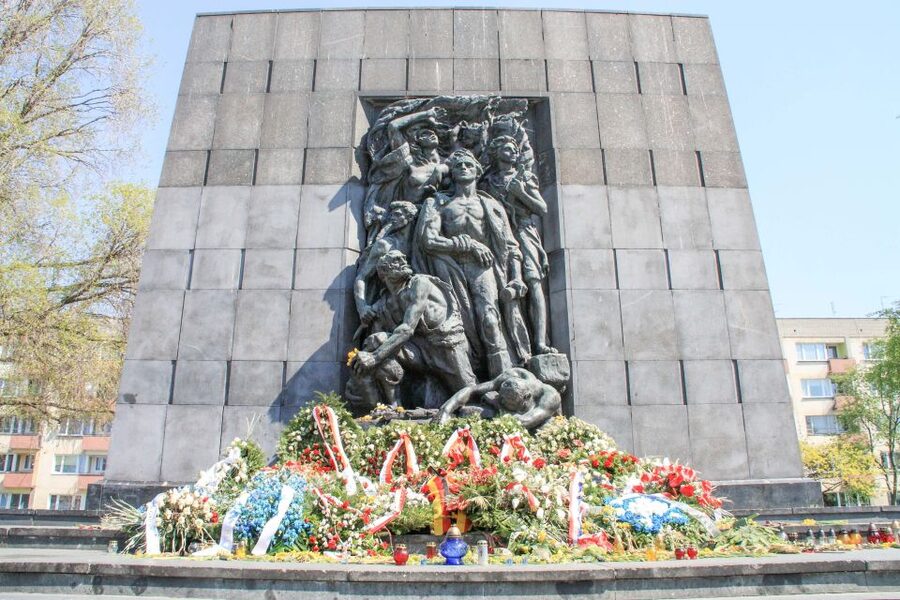
- Umschlagplatz: the deportation assembly point you’ll feel immediately in the layout and symbolism
- Oneg Shabbat + the Underground Archive: the story of documentation, including how it survived in metal cases and milk cans
Walking Warsaw’s Ghetto Footprint in Two Hours
This is a 2-hour tour built for people who want more than a map and more than a textbook summary. You’ll cover a compact, important stretch of Warsaw where the ghetto used to be, learning what daily life looked like in a space that shrank from four square kilometers into a death sentence for hundreds of thousands of people.
The best thing about the timing is that it forces focus. Instead of spreading out to every museum corner, the tour picks the places that explain cause and effect: how people lived, how they got food and information, why the uprising happened, and what followed when the Nazis tried to erase the area. The group uses headsets (for groups up to 20), which helps you actually hear your licensed guide instead of playing audio roulette against city noise.
You should think of this as a “route story,” not a sit-down lecture. The guide links each location to how the ghetto worked day to day, including the moral ugliness—blackmail, indifference, and coercion—that made survival complicated even when someone wanted to do the right thing.
Further into Jewish Warsaw, the Ghetto and POLIN
- Warsaw: POLIN Museum of the History of Polish Jews Ticket★ 4.7 · 1,142 reviews
- Private Tour: Warsaw’s Jewish Heritage by Retro Fiat★ 5.0 · 208 reviews
- Warsaw: Ghetto, Jewish Cemetery & POLIN Museum Private Tour★ 4.8 · 132 reviews
Last Preserved Streets, Ghetto Wall Remains, and the Surviving Synagogue
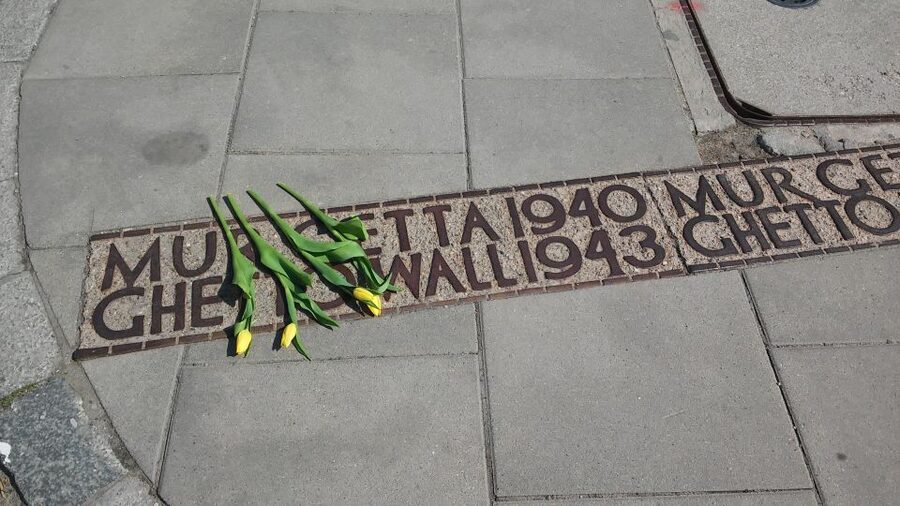
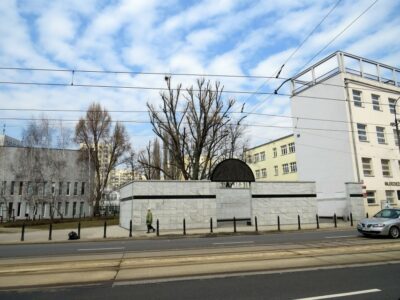
One highlight is the physical reminder that the ghetto was not just an idea. You’ll explore remnants of what’s left: the remains of last streets of the ghetto and the surviving wall traces. Standing near the leftover structure cues what the numbers mean. Four square kilometers sounds “small,” but seeing where the walls were helps you understand how little room people had to breathe, work, hide, or even safely move from one obligation to the next.
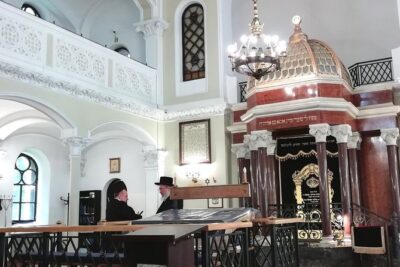
Then comes a stop that’s almost its own lesson: the only synagogue that survived. In a tour like this, many buildings are gone. When something religious and community-centered survives, it changes the emotional temperature of the walk. You’re not only looking at destruction; you’re seeing continuity that fought for dignity, even under impossible pressure.
What I like about this part of the experience is that it’s not just about architecture. The tour connects place to routine. You’ll hear how residents dealt with everyday problems—where help came from, how people tried to solve shortages, and how restrictions shaped movement and choices. It’s the difference between learning facts and understanding behavior under threat.
Practical tip: wear shoes you can stand in. Even if your brain is taking in history, your feet are doing the real work here.
Mila 18, the Footbridge on Chłodna Street, and the Bunker at 18 Miła
This is where the tour turns from daily life into decision points. You’ll stop at Mila 18, the location of the Footbridge over Chłodna Street (former site), and the bunker at 18 Miła Street. These aren’t random “cool stops.” They mark where resistance efforts intersected with Nazi control—and where the gap between hope and reality got painfully narrow.
At Mila 18 and 18 Miła Street, you’ll focus on the uprising context. In 1943, an uprising broke out inside the ghetto in response to the Nazi attempt to totally liquidate it. The guide’s goal here is to help you understand why people acted when survival odds were grim. You also learn how the Nazis responded afterward with destruction that tried to wipe out both people and memory.
The Footbridge spot adds another layer. Over Chłodna Street, the tour helps you picture how movement mattered. A footbridge is a small structure in modern terms, but in the ghetto it could represent a chokepoint, a route of escape, or a line between safety and capture. Seeing the former location helps your brain build a spatial story: where people could go, where they couldn’t, and how the city’s geometry turned into a control system.
One note to keep expectations realistic: the tour is only 2 hours, so these stops aren’t long museum-style pauses. You’ll get the essential explanation at each point, then move on. That’s ideal if you prefer a guided “story walk,” but if you like lingering, plan to follow up on key sites later on your own.
Umschlagplatz and the Monument Symbolism
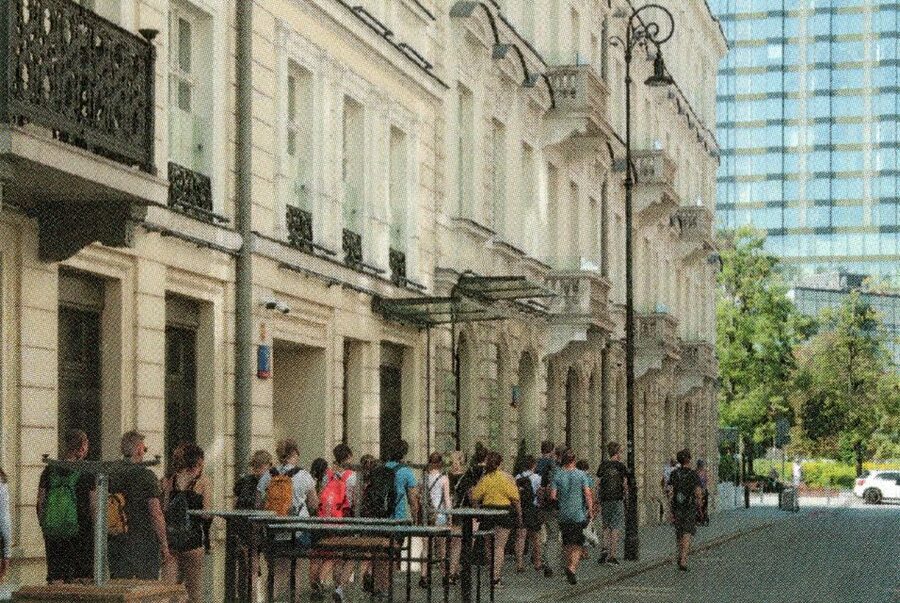
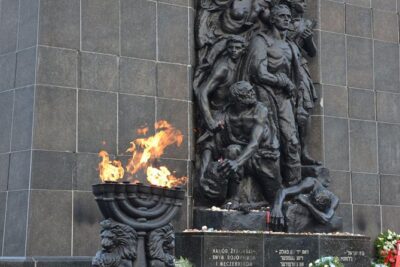
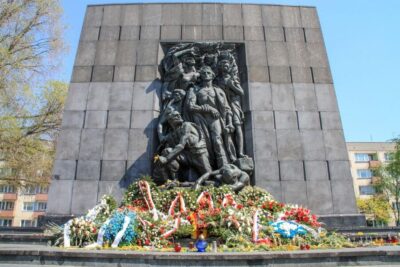
Umschlagplatz is one of those places that carries weight even before a guide speaks. You’ll learn how it functioned as part of the deportation process, and the symbolism of the Monument to the Ghetto Heroes gives shape to what happened after resistance and after loss.
Here’s why this stop matters for your understanding: the ghetto story isn’t only about confinement. It’s also about extraction. The Nazis gathered hundreds of thousands of Jews into a tiny area, and then a large portion were sent away to extermination. Learning the numbers is heavy; seeing the sites where the process played out makes it harder to reduce the event to history-book language.
The monument symbolism also helps you connect the dots between resistance and memory. The uprising isn’t treated as a single “hero moment.” Instead, it’s shown as something people did under extreme conditions, and then something that the postwar world had to work hard to remember responsibly.
If you’re visiting Warsaw for the first time, this part can be emotionally intense. Pace yourself. Take breaks if you need them. No one wins history by rushing it.
Oneg Shabbat and the Underground Archive That Reached UNESCO Memory
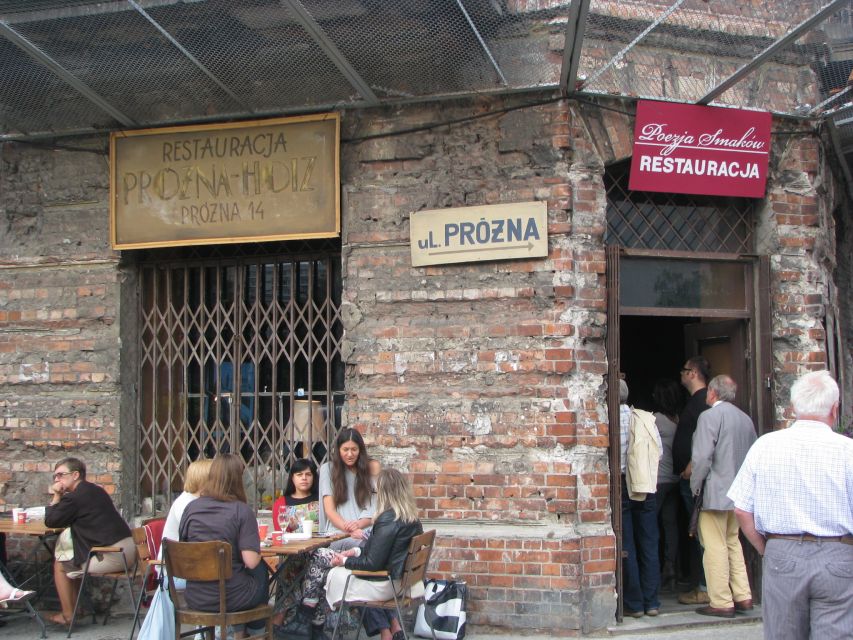
This is the most quietly powerful section. You’ll hear about the Underground Archive of the Warsaw Ghetto and the secret organization Oneg Shabbat, which took on the job of documenting daily life under Nazi rule. The tour explains why this documentation mattered: people were trying to preserve truth when everything around them was built to deny it.
A detail worth holding onto: the archive survived the war in metal cases and milk cans. That image sticks because it’s so practical. It’s not “mystical survival.” It’s ordinary containers repurposed for memory. The tour also notes that the archive was entered into the UNESCO Memory of the World register, which is a big deal for anyone who cares about how facts survive.
This topic also helps you read the rest of the tour differently. When you understand that someone risked their life to record what was happening, the tour stops feel less like static scenes and more like evidence. Even the places associated with the main hero of Roman Polanski’s The Pianist are presented in the context of real Warsaw geography and real human stakes, not as movie tourism.
If you like history that doesn’t just describe tragedy but explains why records survived, you’ll appreciate this section a lot.
A few more Warsaw outings worth a look before you book



Guide Approach, Headsets, and What Marzena Adds
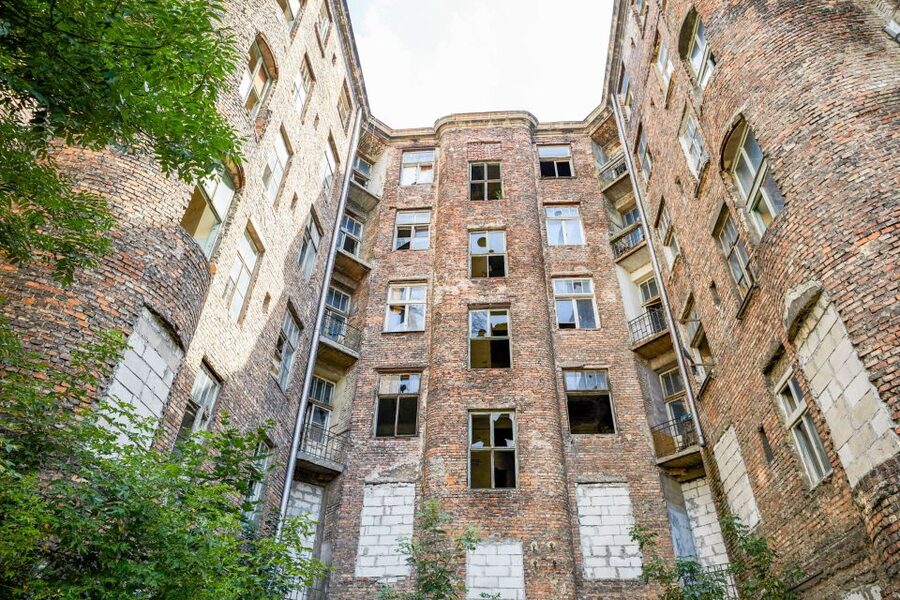
A tour is only as strong as its guide, and this one leans hard on clear storytelling. The guide is licensed, and the use of headsets for groups up to 20 PAX means you’re less likely to strain to hear explanations while you’re standing still at key points.
From the way Marzena guides, you can expect a professional, detailed style that still feels human. The tone matters in a tour like this. You want someone who can answer questions clearly, connect a location to the broader context, and keep moving at a pace that lets you process without turning every stop into a rushed checklist.
The tour is live in English and German. If you’re choosing based on language, pick the one you’re most comfortable thinking in—because you’ll hear terms and names connected to resistance, documentation, and the ghetto’s daily mechanisms.
Practical do’s and don’ts, because they can affect your day: smoking is not allowed, pets are not allowed, and large bags or oversize luggage aren’t allowed. If you pack light, you keep the walk stress-free and avoid delays at stops.
Price and Value: Is $76 Worth a 2-Hour Ghetto Tour?
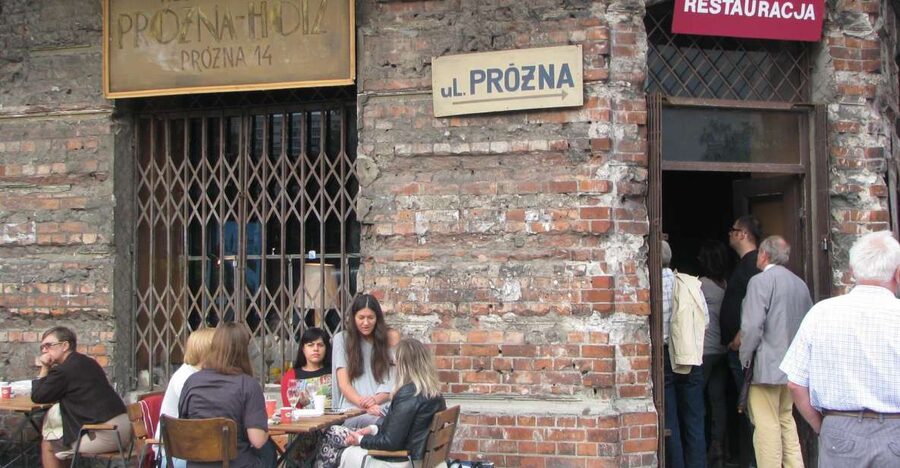
$76 per person sounds like “a lot” until you think about what’s actually included. You’re paying for a licensed guide, a tight route, and headsets that keep the experience understandable rather than frustrating. You’re also paying for story structure: the guide connects daily life, resistance, and the consequences of Nazi policy through specific locations like the surviving synagogue, Mila 18, 18 Miła Street, and Umschlagplatz.
Entrance fees are not included, and public transport tickets and lunch are also not included. That means your value question comes down to whether you want guided context at the key sites. If you’re the type who reads signs but still wants the “why” and “how” behind them, the paid guide time is the main value. If you prefer self-guided wandering with no structured explanation, you might feel the price more than you’d like.
In my view, the $76 value holds best if you use it as the foundation for your overall Warsaw visit. Treat it like your “orientation + context” session, then build from there.
Plan Your Add-On Time at the Museum of the History of Polish Jews
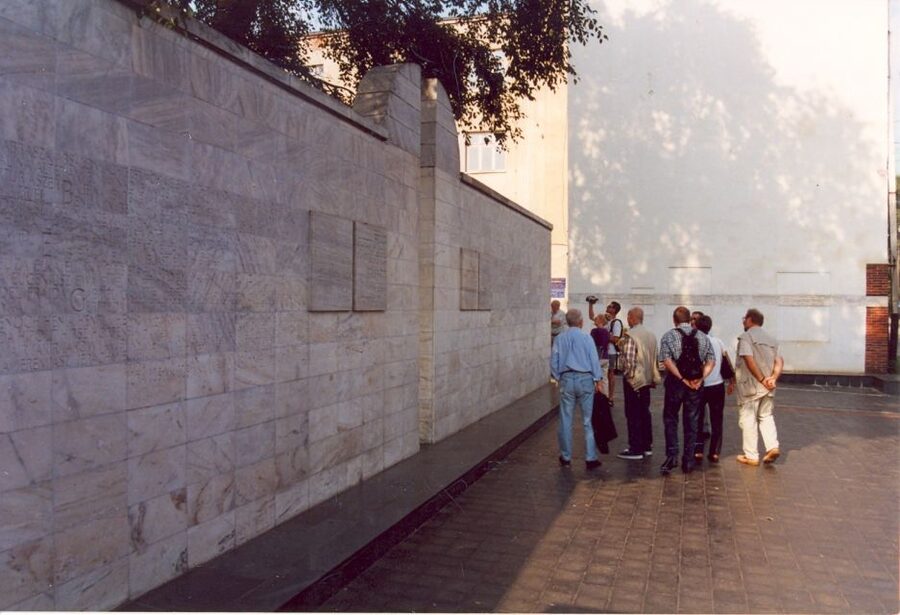
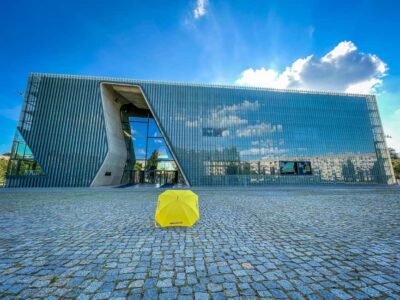
This tour usually ends at the Museum of the History of Polish Jews. That’s a smart pairing because the tour gives you the street-level and document-level framing, and then the museum can expand the details.
If you’re going to commit to the museum, give it time. It’s a good idea to earmark at least 2.5 hours for the core exhibition. Also check the opening hours before you go:
- Monday, Wednesday, Thursday, Friday, Sunday: 10:00 am to 6:00 pm (last entrance 4:00 pm)
- Tuesday: closed
- Saturday: 10:00 am to 8:00 pm (last entrance 6:00 pm)
One more practical detail: entrances to sites and a guided Jewish Museum segment are offered during this overall experience, but entrance fees are not listed as included. So if you see a museum entry cost during your planning, that’s part of the normal flow.
Should You Book This Warsaw Ghetto Daily Life Tour?
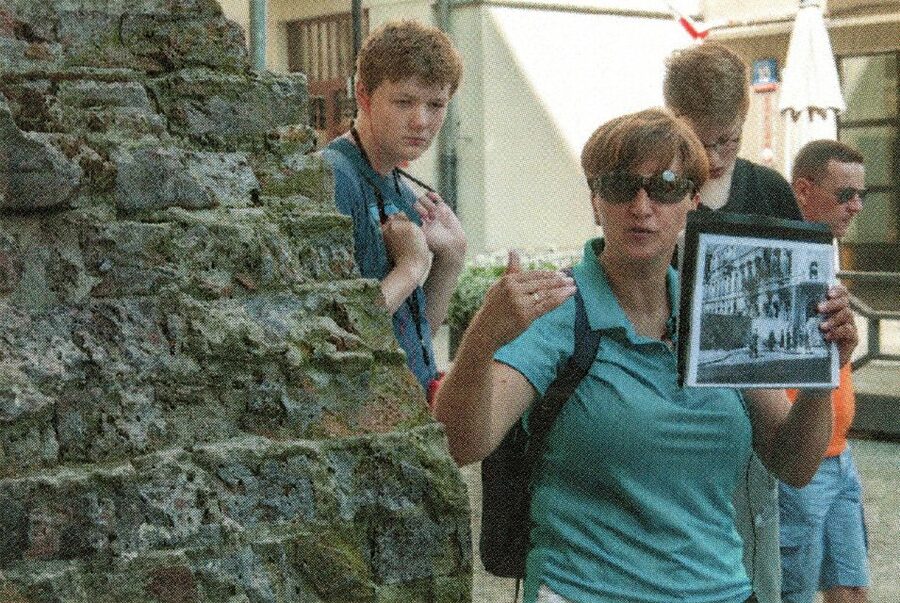
Book it if you want a 2-hour, site-based explanation of how daily life worked in the Warsaw Ghetto and why resistance escalated in 1943. It’s a strong choice for first-time visitors who don’t want to spend days piecing history together across scattered sources.
Skip it (or choose a different format) if you’re looking for something light, kid-friendly, or purely visual. It’s not suitable for children under 12, and the subject matter is heavy. Also, because it’s conducted by foot with public transport, comfort and stamina matter.
If your goal is understanding—history tied to real streets, wall remnants, one surviving synagogue, Mila 18, Umschlagplatz, and the Oneg Shabbat documentation story—this tour does the job efficiently.
FAQ
How long is the Warsaw Ghetto daily life tour?
The tour lasts 2 hours.
What is the price?
The price is $76 per person.
Is the tour mostly walking, or do you use transport?
It’s conducted by foot combined with public transport.
What’s included in the tour price?
You get a licensed tour guide and headsets for groups up to 20 PAX.
Are entrance fees included?
Entrance fees are not included.
Does the tour include the Museum of the History of Polish Jews?
The tour usually ends at the Jewish Museum, and entrances to sites and a guided Jewish Museum segment are offered, but entrance fees are not included.
What languages is the tour offered in?
The live tour guide is available in English and German.
Is it suitable for children?
It is not suitable for children under 12.
Where do I meet the guide?
The guide meets you at the meeting point holding a sign with PolinTours.
What items are not allowed during the tour?
Pets, oversize luggage, smoking, alcohol and drugs, and luggage or large bags are not allowed.
Is there a cancellation option and pay-later booking?
Yes. You can cancel up to 24 hours in advance for a full refund, and you can reserve now and pay later.
More Tours in Warsaw
- Warsaw: Old Town Highlights Walking Tour in English
★ 4.7 · 1,516 reviews - Warsaw: City Sightseeing Hop-On Hop-Off Bus Tour
★ 3.6 · 1,415 reviews - Warsaw: Polish Vodka Museum Tour with Tasting
★ 4.6 · 788 reviews - 3-Hour Guided Cycling Tour of Warsaw
★ 4.9 · 624 reviews
More Tour Reviews in Warsaw
- Warsaw: Chopin Concert in the Old Town
★ 4.8 · 2,287 reviews - Warsaw: Traditional Galar Cruise on The Vistula River
★ 4.6 · 1,640 reviews - Warsaw: Old Town Highlights Walking Tour in English
★ 4.7 · 1,516 reviews - Warsaw Concert: Chopin – Painted by Candlelights with Wine
★ 4.8 · 1,442 reviews
More of Jewish Warsaw and POLIN
- Warsaw: POLIN Museum of the History of Polish Jews Ticket
★ 4.7 · 1,142 reviews - Warsaw: Jewish History Guided Walking Tour in English
★ 4.7 · 324 reviews - Private Tour: Warsaw’s Jewish Heritage by Retro Fiat
★ 5.0 · 208 reviews - Warsaw: Ghetto, Jewish Cemetery & POLIN Museum Private Tour
★ 4.8 · 132 reviews
Fresh on the site: newer Warsaw reviews
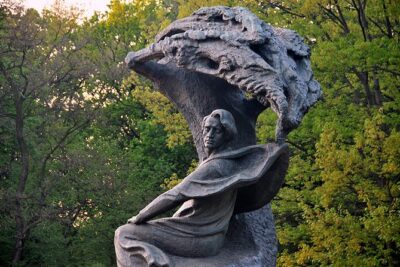


Jewish Warsaw, Ghetto & POLIN: the other contenders.
 ★ 4.7POLIN Museum of the History of Polish Jews TicketFrom $121,142 reviews
 ★ 4.7Jewish History Guided Walking Tour in EnglishFrom $26324 reviews
 ★ 5.0Private Tour: Warsaw’s Jewish Heritage by Retro FiatFrom $108208 reviews
 ★ 4.8Ghetto, Jewish Cemetery & POLIN Museum Private TourFrom $112132 reviews
 ★ 5.0Tour of the Warsaw GhettoFrom $102119 reviews
 ★ 4.7Jewish Heritage & Holocaust Walking TourFrom $20119 reviews
 ★ 5.0Historical Walking Tour of Jewish WarsawFrom $2868 reviews
 ★ 4.9Jewish Heritage 4-Hour Private TourFrom $4226 reviews
Browse the lists this tour appears in